All Issues

Volume 21, Issue 4 | December 2025

December 2025

Explore this Issue
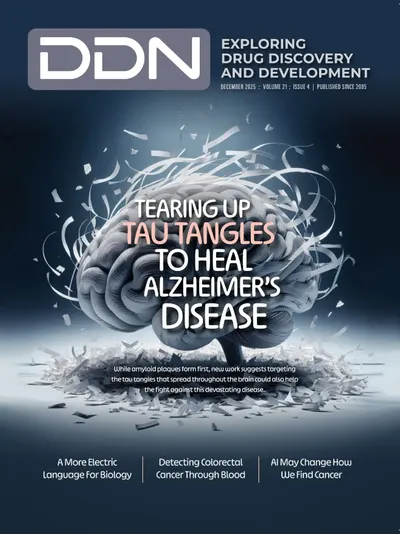
Drug Discovery News December 2025 Issue
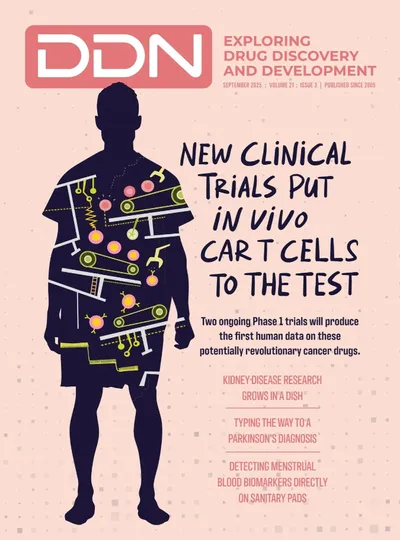
Drug Discovery News September 2025 Issue
Volume 21 - Issue 3 | September 2025

September 2025

September 2025 Issue

Drug Discovery News June 2025 Issue
Volume 21 - Issue 2 | June 2025

June 2025

June 2025 Issue

Drug Discovery News March 2025 Issue
Volume 21 - Issue 1 | March 2025

March 2025

March 2025 Issue

Drug Discovery News November 2024 Issue
Volume 20 - Issue 6 | November 2024

November 2024

November 2024 Issue

September 2024 front cover
Volume 20 - Issue 5 | September 2024

September 2024

September 2024 Issue

DDN July 2024 Magazine Issue
Volume 20 - Issue 4 | July 2024

July 2024

July 2024 Issue

DDN Magazine May 2024
Volume 20 - Issue 3 | May 2024

May 2024

May 2024 Issue

March 2024 Issue Front Cover
Volume 20 - Issue 2 | March 2024

March 2024

March 2024 Issue

January 2024 DDN Magazine Issue
Volume 20 - Issue 1 | January 2024

January 2024

January 2024 Issue

November 2023 magazine issue front cover
Volume 19 - Issue 11 | November 2023

November 2023

November 2023 Issue

October 2023 magazine front cover
Volume 19 - Issue 9 | October 2023

October 2023

October 2023 Issue

September 2023 issue front cover
Volume 19 - Issue 8 | September 2023

September 2023

September 2023 Issue

Subscribe to Newsletter

Subscribe to our eNewsletters

Stay connected with all of the latest from Drug Discovery News.

Subscribe

Sponsored

A scientist in protective laboratory attire examines a sample under a microscope, surrounded by digital overlays of DNA strands, molecular structures, scientific symbols, and data graphics.
From automated experiments to AI-powered analysis, connected data, and smarter resource use, digital technologies are reshaping how scientists work — and what the laboratory itself can do.

Blue microscopic illustration of spherical cells with textured surfaces against a dark background.
Explore how longitudinal single-cell profiling of whole blood can reveal immune signatures associated with CAR T cell therapy-related neurotoxicity.