| 3 min read
Growing evidence supports the use of virtual controls in toxicology, but their broader adoption will depend on rigorous data curation, pathology expertise, and robust validation.
| 5 min read
Clinical trial updates, regulatory approvals, and more led the news this week.
| 4 min read
BCG vaccination reduced tau pathology and neuroinflammation in mice, prompting researchers to investigate whether trained immunity could inform future treatments for Alzheimer’s disease.
| 3 min read
Bacterial genomes recovered from discarded DNA sequencing data could help researchers investigate whether microbes contribute to aggressive prostate cancer.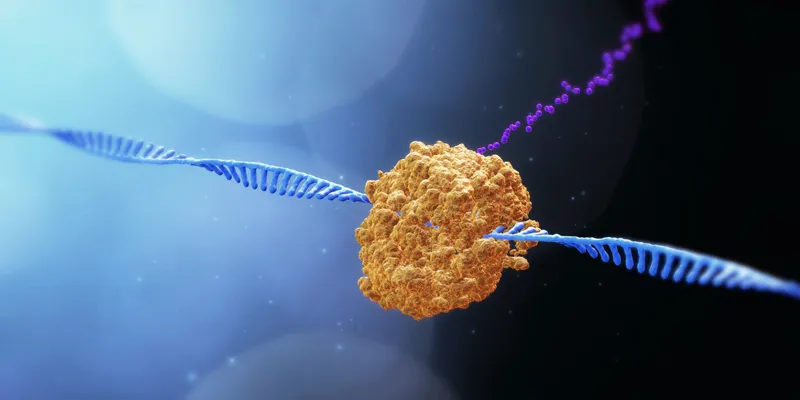
| 4 min read
A machine learning-based screen identified SRSF1 as a potential target for reversing several hallmarks of aging without erasing cell identity, with further testing revealing benefits in aged mice.News

| 4 min read
Positive Alzheimer's trial data, workforce reductions, mRNA cancer therapy updates, and more led the news this week.
| 2 min read
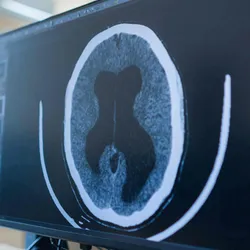
The first proof-of-concept study showed that the gene therapy reduced the production of cerebrospinal fluid in the brains of mice.

| 2 min read
A novel AI-guided approach enabled accelerated discovery of thermostable mRNA vaccines, eliminating ultra-cold storage barriers to expand global vaccine access.

| 3 min read
Facing a tight financing market, the CRISPR biotech will wind down two off-the-shelf cell therapies as investor money shifts toward in vivo CAR T.

| 4 min read
Proteomic studies, billion dollar pharma deals, WHO initiatives, and more led the news this week.

| 6 min read
Alzheimer’s disease often overlaps with other causes of cognitive decline. A new proteomics project aims to untangle that mixture and help researchers identify the right patients for future clinical trials.
Cancer Research News

OGT's first dedicated fusion MRD NGS panel targets the roughly one-quarter of AML cases where RNA fusion transcripts, not DNA mutations, define residual disease
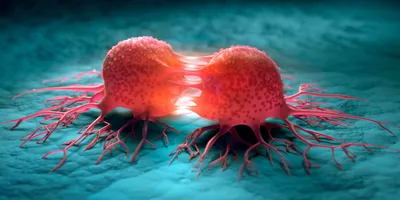
Researchers showed that before cancer cells metastasize the brain, they enter a “proliferative pause” that can be targeted with drugs to prevent metastasis altogether.
Editor's Pick

Born to differentiate and heal, mesenchymal stem cells carry great potential for treating a wide spectrum of diseases.

In a journey fraught with heartache and persistence, medical research giants paved the way for successful bone marrow transplantation.
Multimedia

Explore how direct cell lysis can reduce sample preparation steps and support efficient gene expression analysis by RT-qPCR.

Expert insights on the ideas and innovations reshaping the field.