| 10 min read
Thirty years after women were formally brought into clinical research, inclusion has improved but important questions remain about how sex, pregnancy, and menopause affect drug safety and efficacy.
| 4 min read
As AI moves into increasingly consequential applications, the next challenge is not what these systems can do, but whether people can trust the answers they provide.
| 7 min read
CAR T has transformed treatment for some blood cancers, but manufacturing and healthcare system constraints still prevent many eligible patients from receiving it.Articles

| 3 min read
A Nucleai-Gilead collaboration found tumor architecture and microenvironment context, not target expression alone, help predict ADC therapy response.

| 7 min read
The NIH budget survived a proposed 40 percent cut, but falling grant numbers could still have lasting consequences for drug discovery.
| 5 min read
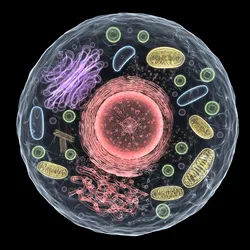
GenBio’s virtual cell integrates multiple layers of cellular biology to predict how cells respond to drugs and genetic changes.

| 4 min read
We have never had more biological data, or more ways to connect it. The programs that win will be the ones that ask better questions of it, not bigger ones.
| 5 min read
The science behind personalized mRNA cancer vaccines is working. Building a different drug for every patient, at scale, is the real fight.
| 4 min read
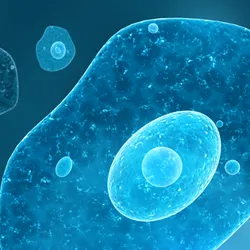
Cell atlases have mapped human biology in unprecedented detail. The harder question for drug discovery is which of those cellular states should change what a program does next.

| 4 min read
Multimodal approaches could help drug developers connect disease biology with clinical outcomes and better understand why treatments succeed or fail.

| 4 min read
Early-stage R&D generates foundational knowledge that determines whether a new therapy can be safely and reliably produced. But to support scale-up, insights must flow seamlessly into pilot operations.
| 3 min read
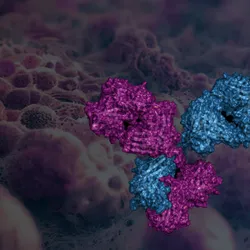
A logic-gated platform is expanding what's druggable in antibody-drug conjugate development by pairing antigens that cancer cells co-express but normal tissue does not.