As researchers embrace more complex cellular models, high-content analysis brings new opportunities and challenges to drug discovery.


Understand the principles and practices that support high-quality data in increasingly complex flow cytometry experiments.

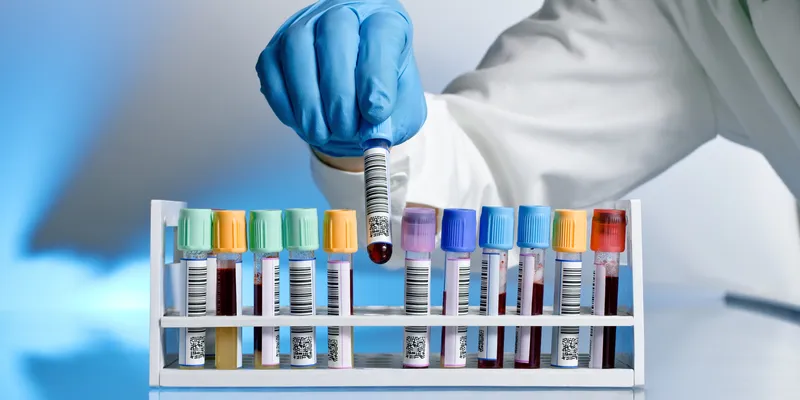
Analytical performance begins long before a sample reaches the instrument, making sample preparation one of the most important determinants of data quality.

Technology Guides

Explore key considerations for improving molecular biology workflows through centralized design, data management, and collaborative research practices.

From study design to biomarker interpretation, discover what it takes to incorporate metabolomics effectively into drug discovery research.

Advances in high-dimensional flow cytometry and integrated imaging are enabling deeper, more reproducible insights into cellular behavior.


Explore the role of microphysiological systems in advancing human-relevant liver toxicity testing and mechanistic evaluation.


Gain insights into the molecular and process innovations driving the development of self-amplifying mRNA vaccines.


Explore evolving technologies, analytical strategies, and expert guidance supporting high-quality flow cytometry research.

Embracing informatics solutions lets researchers effectively manage data, collaboration, and the growing complexity of modern research.

Discover essential strategies and expert insights to navigate the expanding world of spatial biology.
Page 1 of 1 - 11 Total Items