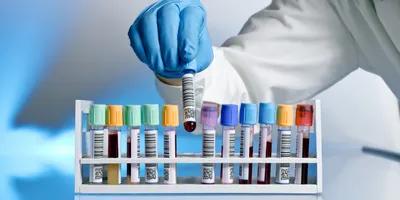
Depression affects hundreds of millions of people worldwide and remains one of the leading causes of disability. However, there is still no single laboratory test, imaging scan, or molecular marker that can objectively diagnose the disorder, distinguish biologically distinct forms of depression, or predict which treatment would be most effective for an individual patient. Instead, clinicians rely largely on symptom-based questionnaires, trapping many patients in a frustrating cycle of trial and error that can leave patients waiting months or years to find an effective therapy.
Depression is best understood as a highly heterogeneous condition and is likely not a single disease.
—Steve Hoffmann, Foundation for the National Institutes of Health
Part of the problem may be due to how depression is defined. "Depression is best understood as a highly heterogeneous condition and is likely not a single disease. Rather, it appears to be a conglomerate of different types of disorders that share common symptoms but differ in their underlying biology, causes, progression, and response to treatment," Steve Hoffmann, Senior Vice President and Chief Preclinical Officer at the Foundation for the National Institutes of Health (FNIH), told DDN.
The FNIH, the official nonprofit partner of the National Institutes of Health (NIH), is hoping to provide new insights into this through its Multi-Modal Assessment and Phenotyping in Depression (MAP-D) initiative. Announced in July, the ambitious public-private partnership aims to generate one of the most comprehensive datasets ever assembled for depression and identify biologically meaningful subtypes of the disorder.

This initiative could help lay the foundations for precision psychiatry, enabling clinicians to match patients to treatments based on the underlying biology of their disease rather than symptoms alone. It could also provide validated biomarkers and patient stratification tools that have long been missing from psychiatric drug development, helping researchers design more targeted clinical trials and improve the chances of bringing effective new therapies to patients.
Missing key biomarkers
Unlike many diseases, depression lacks any defining biomarkers. "Cancers are identified by specific cell types or mutations, diabetes by abnormalities in insulin production and glucose regulation," Hoffmann explained. "Depression is an interaction of brain circuits, neurotransmitters, social and environmental influences, genetics — and that interrelationship is very complex."
That complexity has slowed progress in both clinical care and drug development. Two patients may receive the same diagnosis while experiencing fundamentally different underlying biological processes, making it difficult to predict which therapies will work and complicating clinical trials by grouping biologically diverse patients together.
For drug developers, this biological heterogeneity presents a major challenge. Psychiatric clinical trials typically enroll patients based on symptom-based diagnostic criteria rather than the molecular mechanisms driving their disease. As a result, treatments targeting specific biological pathways may appear ineffective if only a subset of participants actually have the biology the drug is designed to treat.
MAP-D is hoping to solve this by collecting a wide range of complementary data from participants. The longitudinal study will combine multi-omic analyses, neuroimaging, cognitive testing, behavioral assessments, digital wearable data, and detailed clinical interviews to build a multidimensional picture of depression.
Why now?
The concept of precision psychiatry is not new. Researchers have long sought biological markers that could classify depression more objectively and guide treatment decisions. So why has progress accelerated only now?
According to Hoffmann, the field has reached an inflection point as multiple technologies have matured at the same time. From single-cell and spatial biology technologies to advances in neuroimaging, researchers can now interrogate the molecular and cellular basis of disease in ways that were simply not possible a decade ago. At the same time, digital health technologies are providing continuous streams of real-world data that extend well beyond the clinic.
MAP-D plans to capture many of these digital signals alongside traditional biological and clinical measurements. Hoffmann highlighted sleep monitoring, speech analysis, and facial expression tracking as examples of technologies that may reveal changes associated with depressive states or responses to treatment. While these are not biomarkers in the conventional molecular sense, they could become practical tools for identifying patients at risk or monitoring disease progression outside specialist centers.
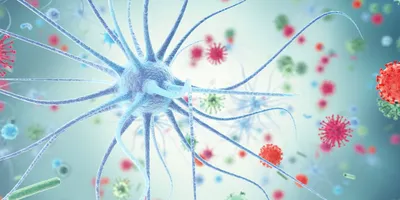
The scale and diversity of the data also make AI a crucial component of the initiative. Rather than analyzing imaging, molecular profiles, and clinical assessments separately, AI and machine learning models will integrate these diverse datasets to identify patterns that would likely be impossible to detect using conventional statistical approaches.
"There is no doubt that AI and machine learning analysis will be critical in interrogating these large and diverse datasets to unravel the complexity of depression," Hoffmann said. "Our goal is to create the largest depression dataset in history, a resource we hope will accelerate discoveries for decades to come."
Better tools for drug developers
Psychiatric drug development has long suffered from costly late-stage failures, in part because depression is highly heterogeneous and researchers lack reliable biomarkers to stratify patients, monitor treatment response, or objectively measure disease progression.
The MAP-D consortium is aiming to change that by generating biomarkers that can support every stage of drug development — from patient selection and diagnosis to monitoring treatment response and clinical trial endpoints.
They need these tools to be able to make not only drug development decisions with biomarkers, but also clinical care decisions.
—Steve Hoffmann, Foundation for the National Institutes of Health
"They need these validated tools that meet regulatory evidence for the FDA, for the EMA (European Medicines Agency), for other regulatory agencies,” said Hoffmann. “They need these tools to be able to make not only drug development decisions with biomarkers, but also clinical care decisions."
By bringing together both large and small pharmaceutical companies, alongside regulators, academic researchers, and patient advocacy groups, the initiative aims to produce standardized datasets and validated tools that any researcher or drug developer can build upon. "This isn't something that one organization can do," Hoffmann said. "You need to raise all boats."
The study will begin by enrolling approximately 300 participants with moderate to severe depression across multiple clinical sites. The first phase is designed to validate study workflows, ensure high-quality and reproducible data collection, and assess whether the multimodal approach is generating clinically meaningful insights before the program scales further. The insights generated through the pilot will inform expansion to Phase 1b, with the potential to scale to more than 2,500 patients as the program grows and demonstrates success.
Beyond the study itself, MAP-D is designed to serve as a long-term resource for the wider research community. Data generated by the initiative will be deposited into a centralized knowledge and data portal, enabling researchers to cross-validate MAP-D results against external datasets and develop new analytical approaches.
Hoffmann compared the initiative to the Alzheimer's Disease Neuroimaging Initiative (ADNI), whose openly accessible datasets have helped accelerate biomarker development and therapeutic research in Alzheimer’s disease for more than two decades. MAP-D could play a similar catalytic role for depression, providing a shared foundation that advances both academic research and pharmaceutical innovation.
Toward precision psychiatry
Many patients with depression also experience anxiety disorders, substance use disorders, or bipolar disorder, making symptom-based diagnoses particularly challenging. By identifying biologically defined subgroups, clinicians may one day be able to distinguish these overlapping conditions more accurately and tailor treatment accordingly.
If MAP-D succeeds, it may finally help shift mental health care away from educated guesswork and toward genuinely personalized medicine. "If we can bring these tools to the clinic, physicians and caregivers can really make much more informed treatment decisions — right treatment, right patient,” Hoffmann said.