A cluster of genetic mutations in the malaria parasite Plasmodium falciparum is spreading rapidly in Uganda and is linked to decreased susceptibility to the drugs most widely used to treat malaria across Africa and the United States, according to a new study from researchers at Brown University.
The team sequenced whole genomes of malaria parasites collected from the blood of hundreds of infected people in Uganda and identified a linked variant set, comprising three mutations and two deletions, associated with reduced susceptibility to artemisinin and lumefantrine, the two components of artemether-lumefantrine (AL), as well as to the drug mefloquine. AL is the most widely used artemisinin-based combination therapy (ACT) in sub-Saharan Africa and has served as Uganda's primary treatment for uncomplicated malaria for roughly two decades. The findings were published in Nature Medicine.
Treatment already showing strain
Concerns about AL's durability aren't new. Reports of treatment failures in travelers returning from malaria-endemic regions have accumulated over the past several years, prompting the CDC to extend its recommended AL regimen in the United States from three days to five days, or ten total doses, for uncomplicated P. falciparum infections. That change reflects a broader pattern researchers have flagged: parasites acquired in areas with declining artemisinin or lumefantrine susceptibility are producing slower parasite clearance and, in some cases, late treatment failures weeks after an initial course.
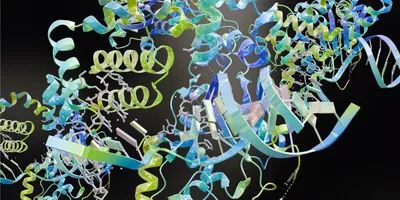
The Brown-led study adds a genetic explanation to that pattern. "It's very concerning that these new mutations are spreading so rapidly, it tells us they are important to the parasite's survival," said study author Jeffrey Bailey, an Associate Professor of Translational Research and of Pathology and Laboratory Medicine at Brown University, in the press release. "Malaria still is a major killer, particularly in sub-Saharan Africa. As drug resistance continues to emerge, we worry it will undermine control of its spread and result in even more deaths for a large number of people there and beyond."
A new marker for a moving target
The mutations most likely driving the resistance were found in a gene encoding PX1, a phosphoinositide-binding protein located near a separate gene already known to confer moderate artemisinin resistance. Existing surveillance programs have mostly tracked a known set of resistance markers, but researchers had lacked a validated genetic marker specifically tied to lumefantrine, the partner drug in AL. To find one, first author Karamoko Niaré, formerly a postdoctoral researcher in Bailey's lab and now an Adjunct Assistant Professor of Pathology and Laboratory Medicine at Brown University, shifted the approach from targeted marker tracking to whole-genome sequencing.
"We knew that the parasites were changing so that over time, their susceptibility to malaria treatments was decreasing, and we wanted to know the exact genetic determinants of this shift," Niaré told Brown University. "We decided to sequence the entire genome to get a better sense of what was going on." That approach identified a region of the parasite genome spanning 69 genes, which further analysis narrowed to the PX1-associated variant set.
The result marks the first time researchers have linked a single gene mutation to reduced susceptibility across multiple drugs used within the same combination therapy, a distinction that matters for surveillance programs that have historically tracked resistance markers for individual drugs rather than looking for markers with cross-drug effects. "Our work identifies a molecular marker that could be used by surveillance studies to track the emergence and spread of reduced susceptibility to front-line malaria treatments across Africa," Niaré said. "That's a very important tool for public health."
Why this matters for drug developers
For teams working on antimalarial therapeutics and diagnostics, the finding sharpens the case for surveillance tools and combination therapies that account for cross-resistance rather than treating each drug's resistance profile in isolation. Bailey's lab has previously built genomic surveillance infrastructure supporting drug-performance tracking across African malaria control programs, funded through federal and foundation grants, and the newly identified PX1-linked marker is now a candidate for integration into that existing tracking infrastructure.
Bailey said the results highlight the need for predictive models estimating when current treatments will lose efficacy altogether, alongside continued development of new antimalarial drugs to replace or supplement ACTs as resistance spreads. That framing positions the study less as an isolated genetic finding and more as an input into the broader pipeline question facing antimalarial drug development: which combination therapies, delivery formats, or novel mechanisms can outpace a parasite that is evolving resistance to multiple drug classes at once.
The study was conducted using parasites collected directly from patients rather than in controlled clinical trials, so Bailey said future work should evaluate how these mutations affect real-world treatment outcomes with ACTs. The extent to which the mutation cluster has spread beyond Uganda's borders also remains unknown, leaving open questions about how quickly surveillance and treatment guidance elsewhere in Africa may need to adapt.