Cancer
| 2 min read
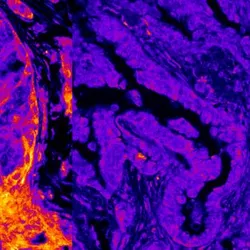
Chromatin profiling across cancer cell lines maps nuclear enzyme localization, linking metabolic reprogramming to DNA repair and treatment resistance.
| 4 min read
A new bacterial platform can produce millions of stabilized peptides in a single experiment, accelerating the search for therapies against hard-to-drug targets.

| 4 min read
Wake Forest researchers have reprogrammed macrophages to target metastatic tumors in the brain, offering a potential new approach where conventional therapies struggle.
| 4 min read
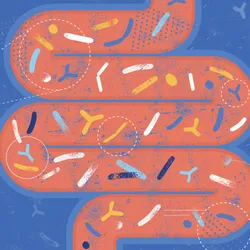
Emerging clinical trials suggest that the gut microbiome plays a decisive role in how patients respond to immunotherapy.
| 4 min read
Live-cell assays quantify the genetic and metabolic influence on drug selectivity, enabling the development of more precise cancer therapies.
| 5 min read
A new model combines high-resolution experimental data with deep learning to reveal how non-coding DNA sequences control gene activity across different cell types.
| 5 min read
By tracking 5hmC in blood, researchers can capture active cancer pathways, identify novel drug targets, and monitor treatment response more efficiently than traditional approaches.
Available on Demand
This virtual two-day symposium will gather researchers to present the latest breakthroughs in cancer immunology.
| 3 min read
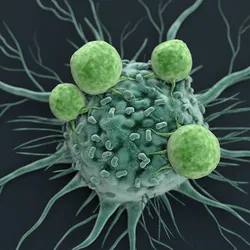
Multi-omics analysis reveals a nine-gene signature linked to treatment failure in aggressive tumor behavior.
| 4 min read
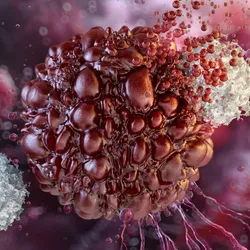
A new CAR T therapy targets the immune cells that protect tumors, reshaping the tumor microenvironment and enabling host immune clearance.
| 4 min read
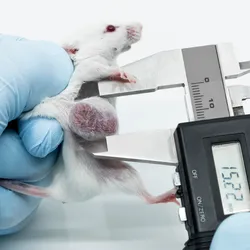
Integrating patient-derived xenografts and organoids can help researchers identify responsive tumor subsets, anticipate resistance, and strengthen translational confidence before clinical testing.
| 4 min read
Alzheimer’s diagnosis tests, AI-designed DNA circuits, bacterial insights, and more led the news this week.