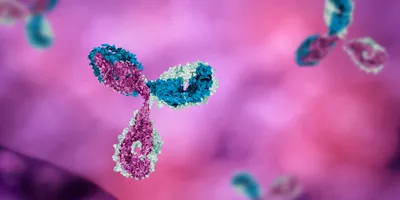
Traditional drug discovery mainly focuses on direct regulation of protein activity, typically by inhibiting or activating specific biochemical functions. Over the past few years, a novel approach known as targeted protein degradation (TPD) has emerged, harnessing the cell’s own quality-control machinery to eliminate disease-causing proteins entirely rather than simply blocking their activity. TPD has grown from a niche research concept into a rapidly maturing field, with more than 40 degrader molecules now in clinical trials, targeting cancer, neurodegenerative diseases, inflammatory disorders, and more.
At the heart of most TPD strategies are E3 ligases, enzymes that tag unwanted proteins with ubiquitin molecules, marking them for destruction by the proteasome. Yet, despite the human genome encoding over 600 E3 ligases, only a small handful — such as cereblon (CRBN) and von Hippel–Lindau (VHL) — have been routinely exploited in drug development. This narrow reliance has limited both the biological scope and therapeutic precision of current degrader technologies.
A recent study published in Structure has now expanded this repertoire by establishing a structural basis for harnessing DCAF2 (Cullin-associated factor), a previously untapped E3 ligase.
Mapping a new target
Led by researchers at Frontier Medicines, the new work is based off the use of high-resolution cryo-electron microscopy to map the architecture of the DCAF2–DDB1–DDA1 (Damage-Specific DNA Binding Protein 1–DDB1 and DET1 associated 1) complex and visualize how it interacts with bifunctional degrader molecules known as PROTACs (PROteolysis TArgeting Chimeras).
PROTACs are designed to simultaneously bind a target protein and an E3 ligase, bringing them into close proximity so that the ligase can tag the target with ubiquitin, marking it for destruction. The study showed that DCAF2 can covalently engage small molecules at a specific cysteine, Cys141, in its WD40 domain, enabling efficient recruitment of target proteins and robust ubiquitination. Subsequent cellular experiments confirmed that this interaction leads to the degradation of target proteins, demonstrating that DCAF2 can function as a viable platform for PROTAC-based approaches.
Weiru Wang, Executive Director of Protein Sciences and Structural Biology at Frontier Medicines and lead study author, told DDN that “the accessibility of the Cys141 site, and the small pocket around it for covalent compound binding, is particularly interesting because there are few amino acid residues to mutate in order to develop resistance. Our work has demonstrated specific binding, structural tractability, and proof of degradation. Taken together, we expect DCAF2 to be a versatile ligase for degrading a variety of proteins of interest.”
A blueprint for more protein degraders
By revealing the structural and mechanistic details of DCAF2-mediated degradation, this work not only establishes a new E3 ligase for TPD but also provides a blueprint for designing molecules that exploit DCAF2’s unique binding pocket. This could allow researchers to target proteins that were previously difficult to drug and to fine-tune degradation activity in a tissue- or tumor-specific manner where established ligases are inactive.
The work is significant because it highlights the untapped potential of the human E3 ligase family. Each ligase has distinct expression patterns, subcellular localization, and substrate preferences. DCAF2, for instance, is frequently overexpressed in certain tumors, hinting that degraders built around it could achieve tumor-selective protein removal, an important goal for reducing off-target toxicity.
Wang added that, “this specificity enhances the therapeutic index, minimizes toxicity, and enables the development of safer and more effective precision medicines for patients with limited treatment options.”
The identification of new ligases could also improve the pharmacology of TPD molecules themselves. Because degraders act catalytically — a single molecule can eliminate multiple copies of a target protein — ligase choice strongly influences potency and selectivity. Broadening the available ligase options may allow researchers to optimize both efficacy and safety.
The discovery of DCAF2 as a functional E3 ligase for TPD represents more than the addition of another molecular tool. It reflects a maturing understanding of how degraders interface with the proteasome system and highlights the enormous, largely untapped potential of the human E3 ligase family in drug discovery.