Cancer
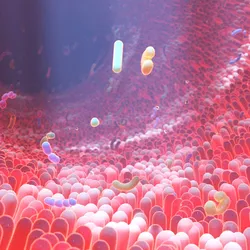
Available on Demand
Gain insight into how microbiome research is advancing the understanding of cancer biology and therapeutic outcomes.
| 3 min read
Scientists at Johns Hopkins used a whole-body imaging technique to track where therapeutic cells go after injection

| 3 min read
Trained on more than 30,000 tumor genomes, MutationProjector offers drug developers a broader framework for connecting cancer genetics to therapy outcomes.
| 3 min read
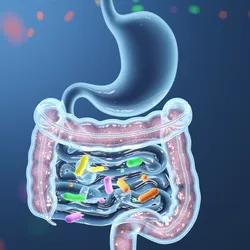
As the field moves from fecal transplants toward defined bacterial consortia, the technical gaps in design, analytics, and co-cultivation are coming into sharper focus.

| 5 min read
Researchers identify a slow-cycling, therapy-tolerant state in breast cancer cells linked to Rac1 signaling and late metastatic relapse.
| 3 min read
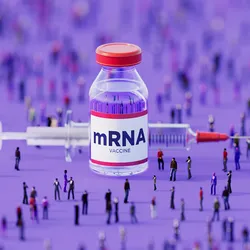
New findings suggest that the location of mRNA expression in the body plays a critical role in shaping T cell responses, opening the door to more precise and effective mRNA-based treatments.
| 4 min read
Living drugs are blurring the line between therapy and biology, challenging decades of assumptions about how medicines are made and controlled.
| 4 min read
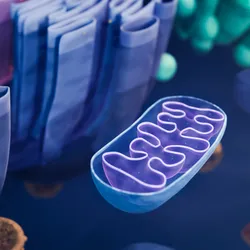
Researchers have identified a previously unrecognized inflammatory pathway driven by damaged mitochondria in pancreatic cancer cells, revealing a potential vulnerability.
| 5 min read
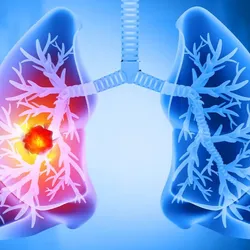
Researchers identified a mitochondrial enzyme that shields lung cancer cells from a radiation-induced cell death process — and then found that an existing arthritis drug can disable that shield.
| 3 min read
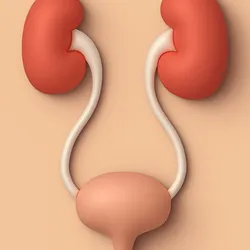
Preclinical data show a first-in-class transdermal bicarbonate therapy increases tumor pH, reactivates T cells and slows bladder tumor growth in mice.
| 4 min read
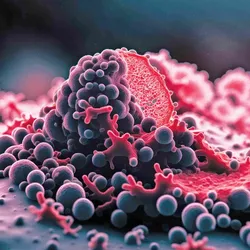
Accent Therapeutics advances a KIF18A inhibitor, leveraging genomic instability to create druggable dependencies.
| 4 min read
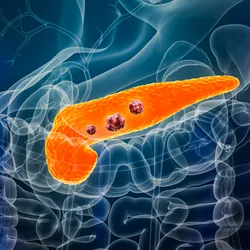
Findings from the randomized trial suggest that modulating the tumour microenvironment alongside chemotherapy may offer a new strategy for improving outcomes in pancreatic cancer