When Michaela Thompson heard that a new immunotherapy may be the cure to her son’s cancer, she was skeptical. “It sounded a little too good to be true,” she recalled. At the time, eight-year-old Lucas had been battling leukemia for nearly three years. And by the time doctors presented chimeric antigen receptor (CAR) T cell therapy as a treatment option, he had had two relapses from prior chemotherapy and a bone marrow transplant.
“Not everyone makes it through three rounds of cancer treatment,” Thompson thought. Lucas’ oncologist estimated that he had a 10 percent chance of long-term survival. “That was really hard to hear, because he's been through so much,” she said.
CAR T cells are immune T cells that are genetically engineered to recognize the proteins on the surface of cancer cells, called antigens. These immune agents are modified versions of the patient’s own T cells decorated with synthetic receptors — molecular identifiers that help find and kill cancer cells. In 2017, the FDA first approved CAR T cell therapy for treating pediatric and young adult patients with relapsed B cell acute lymphoblastic leukemia (B-ALL), a cancer that occurs when the B lymphocytes, the white blood cells in the blood and bone marrow, mutate and overproduce. B-ALL is the same type of cancer that doctors diagnosed Lucas with when he was four.
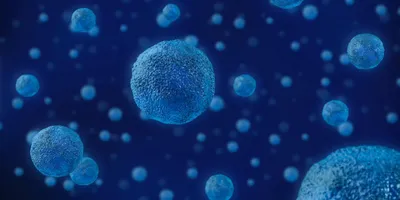
According to the National Cancer Institute, there are about 6,000 new cases of acute lymphoblastic leukemia in the US each year, 80 percent of which are in children. B-ALL is the most common type of ALL in children. While CAR T cell therapy has proven to be a successful third-line treatment for patients with B-ALL, scientists are only beginning to learn about its long-term adverse effects and explore ways to expand its efficacy.
A long road to a cure
When Thompson first knew that Lucas had B-ALL, she was caught off guard. “He was a pretty healthy kiddo, very rambunctious, high energy, just a normal little boy,” she said. But one day, his health took a turn, suddenly becoming unusually weak and unable to walk or eat.
As soon as doctors confirmed his diagnosis, Lucas began a chemotherapy regimen that lasted for two years and included eight to 10 different drugs. One of the main drugs gave him a severe allergic reaction. Another drug gave him heart complications. “It was terrifying,” Thompson said. During the course of the treatment, Lucas’ immune system was so weak that catching a common cold would result in 10 to 15 days of being in the hospital.
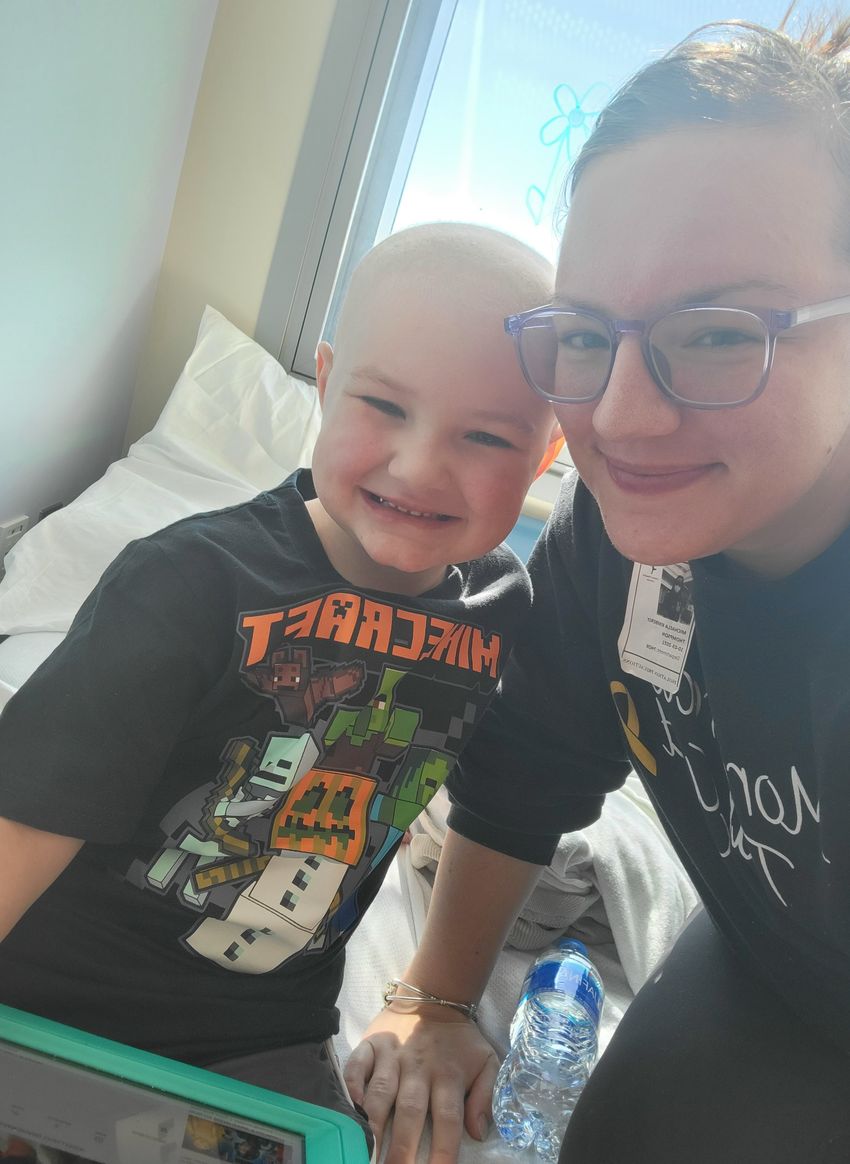
Lucas Thompson received a bone marrow transplant after relapsing from his prior chemotherapy. His mother, Michaela Thompson, was with him as he underwent treatment.
Credit: Michaela Thompson
After six weeks of chemotherapy, Lucas entered remission and remained in remission throughout the treatment. But six months after he completed his chemotherapy, the cancer returned with a vengeance.
While chemotherapy has been the standard of care for B-ALL, it is not always reliable as a long-term cure. “The problem is that in patients where the cancer came back or was resistant to those standard treatments, we have to resort to bone marrow transplant, which is very toxic,” said Terry Fry, an oncologist and Executive Director of the Gates Institute at the University of Colorado Anschutz Medical Campus.
After his cancer relapsed, Lucas underwent a bone marrow transplant using stem cells from his four-year-old sister. The transplant initially succeeded and Lucas was able to spend Christmas with his family despite having to adhere to a list of restrictions to keep him from getting infections. But a year post-transplant, his cancer relapsed. This time, the leukemia had crossed the blood-brain barrier and infiltrated his brain.
“It was really hard at that point to remain hopeful,” Thompson said.
At the time, the FDA-approved CAR T cell therapy, under the brand name Kymriah, had only been on the market for less than three years. Insurance coverage was limited in the US but its clinical success inspired other trials targeting CD19 antigens, a type of protein expressed on 90 percent of B-ALL cells.
In 2023, Lucas enrolled in a CD19 CAR T cell therapy clinical trial at the Children’s Hospital Colorado.
Training the immune system to fight back
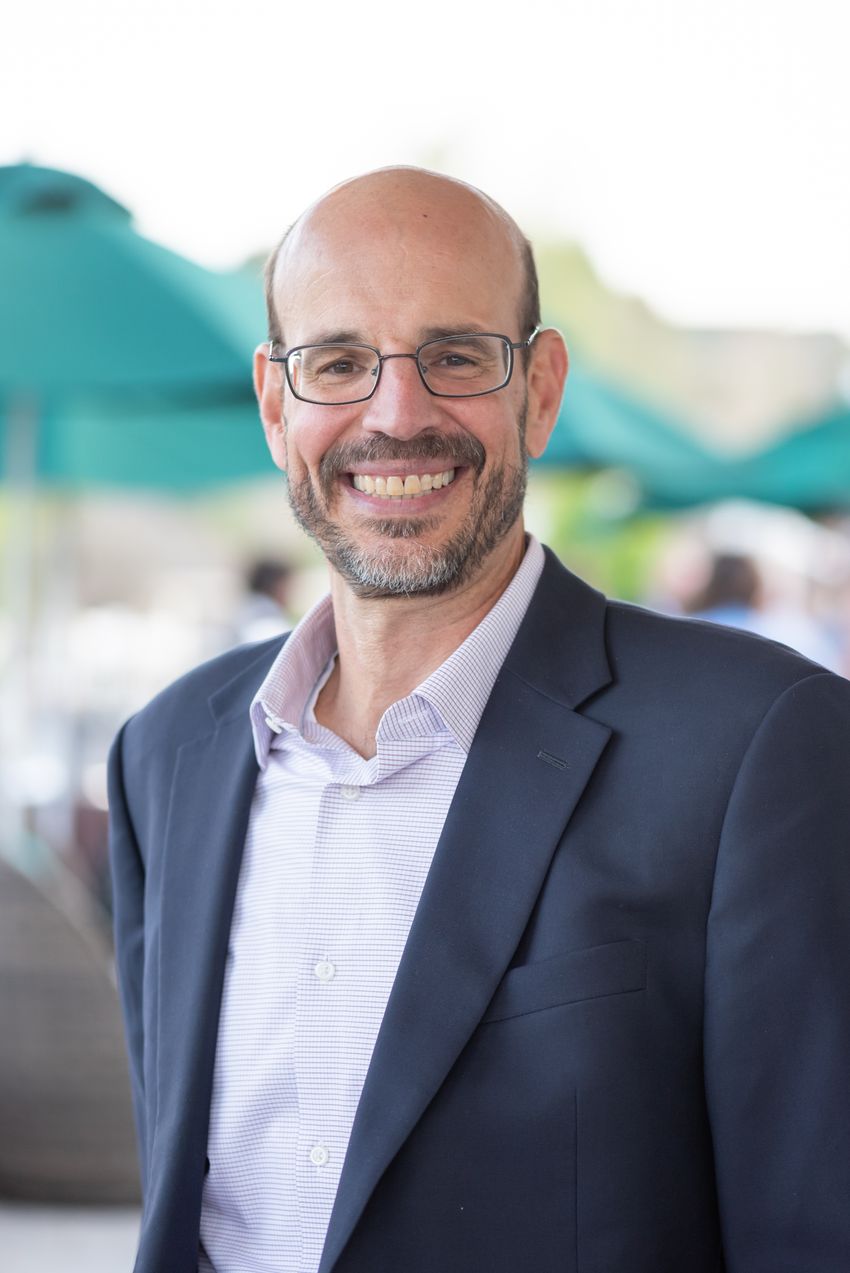
Terry Fry and his colleagues developed a dual-targeting CAR T cell therapy to counter antigen escape.
Credit: CU Anschutz
“People have been thinking about using the immune system to treat cancer for 100 years or more,” said Fry. “Most of the prior approaches to treat cancer with the immune system were modestly successful, or successful only in small pockets of patients.”
In 2018, James Allison, an immunologist at the MD Anderson Cancer Center received the Nobel Prize in Physiology or Medicine for developing immune checkpoint inhibitors, a type of immunotherapy that blocks the inherent ‘brakes’ that stop T cells from functioning and killing cancer cells. The therapy has shown efficacy in several adult metastatic and solid tumors, but has had limited success in pediatric cancers. There are currently no FDA-approved immune checkpoint inhibitors for childhood leukemia.
“The problem with pediatric tumors is that they're relatively bland to the immune system,” Fry said. “They don't harbor a lot of mutations.” Because immune checkpoint inhibitors rely on the T cells recognizing the cancer cells, a lack of mutation makes these cancer cells somewhat inconspicuous to our immune system.
By contrast, CAR T cell therapies do not rely on the T cells' ability to recognize the cancer cells. The receptors are designed to match the target so that they are readily detectable. “That was really the breakthrough in pediatric cancers and lymphoma,” Fry said.
With chemotherapy, we've got decades of experience. We don't have 30 years of experience yet with CAR T cells.
– Terry Fry, University of Colorado Anschutz Medical Campus
Still, CD19-targeted CAR T cells do have several limitations. About half of the B-ALL patients who achieve remission with the therapy experience relapse within the first six to 12 months post-infusion due to the cancer cells mutating and producing fewer CD19 antigens over time.
CAR T cell therapies have also been associated with certain side effects, such as neurotoxicity. “We've figured out how to manage that early kind of inflammatory toxicity,” said Fry. But there is less information about how CAR T cells would affect patients long-term, he added. “With chemotherapy, we've got decades of experience. We don't have 30 years of experience yet with CAR T cells.”
Despite the current unknowns, a “one-and-done” treatment like CAR T cells can potentially offer a huge advantage over standard chemotherapy, Fry said. “But we still have to generate the data to confirm that.”
Are two better than one?
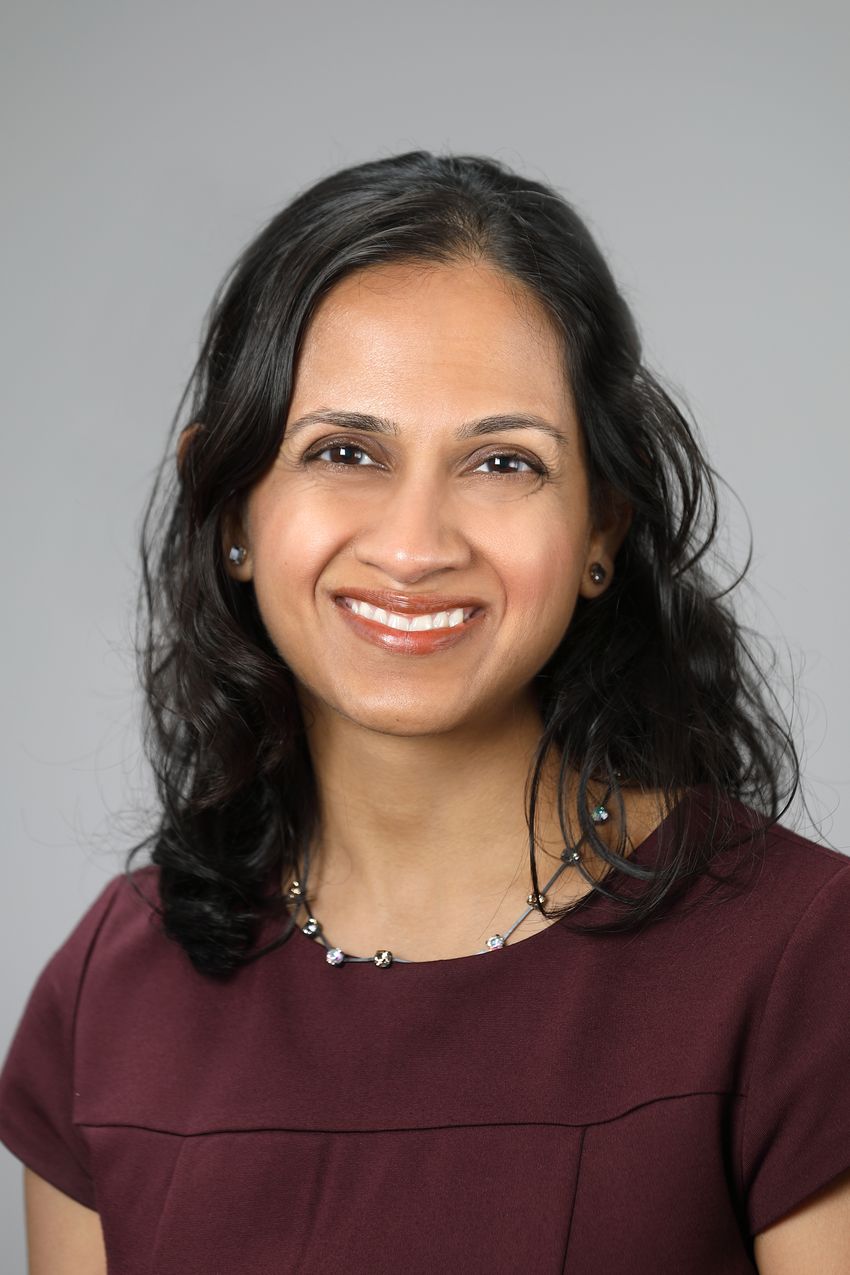
Nirali Shah is determined to make CAR T cell therapy an earlier line of treatment for children with B- ALL.
Credit: National Institutes of Health
In 2014, Fry and his colleagues began to devise a way to circumvent CD19 escape by introducing a second CAR T cell that recognizes a different antigen, CD22. Like CD19, CD22 is also expressed in most B-ALL cells, albeit to a lesser extent. The idea mirrored that of combination chemotherapy. “We don't give a single agent chemotherapy because patients quickly develop resistance,” said Nirali Shah, a pediatric oncologist at the National Cancer Institute, who co-led the effort. Doctors often prescribe multiple drugs to lessen the selective pressure that causes the cancer cells to develop resistance to a particular treatment and improve patients’ survival.
To test their idea, Fry, Shah, and colleagues recruited patients who had relapsed after CD19-targeted therapy and infused them with T cells expressing CD22 CAR. Twelve out of the 21 patients achieved complete remission after infusion, but the effect wasn’t as durable as they hoped. Among the 12 patients, only three remained in remission after six, nine, and 21 months. Eight patients relapsed after 1.5 to 12 months and one patient’s response status was pending at the time of publication. Those who relapsed showed a gradual decrease in CD22 expression on the surface of the cancer cells, a similar escape pattern found in CD19.
To counter resistance, the scientists hypothesized that targeting the two antigens simultaneously, rather than consecutively, would improve the overall outcome. They began designing new bispecific CAR T cell constructs with a single protein containing both CD19 and CD22 targeting domains. The group developed six new constructs with varying lengths of molecular linkers to connect the two targeting entities made from the single-chain variable fragment (scFv) of CD19 and CD22 antibodies. Among these, one construct where the CD19 and CD22 domains were closest in proximity showed the greatest potency against targeted cancer cell lines in a culture dish.
When the scientists tested the performance of their best bispecific CAR T cell construct in mice, they found it to be effective at clearing both CD19- and CD22-positive cells, as well as CD19-negative cells. It was the first demonstration of an active dual-targeting CAR T cell construct for treating B-ALL.
The preclinical success led to a Phase 1 clinical trial in humans, which began in 2017.
First dual-targeting CAR T cells
Five years later, Fry, Shah, and colleagues shared their initial results.
Twelve of the 20 patients (aged five to 35) who received the bispecific therapy experienced full remission. The rest either had a partial response or their cancer progressed. Eight of the 12 responders remained in remission. Six patients opted for a consolidative bone marrow transplant to improve long-term survival and reduce the risks of relapse. One patient was in remission for more than two years without any additional treatment. However, four had their cancers relapse between two to nine months post-infusion.
Through this initial trial, the researchers learned that the patients’ response to the bispecific CAR T cell was not as persistent as expected. When they retested the bispecific construct in mice to find out why, they saw that fewer immune cytokines were released with CD19/22 than with CD22 CAR alone. Cytokines are important members of the immune system that activate and multiply CAR T cells and recruit other immune cells to fight tumors. Mice that received the bispecific construct also had incomplete leukemia eradication.
Back to the drawing board
The team suspected that the bispecific CAR T cell’s ability to target the CD22 antigens on the cancer cells may be obstructed. This discovery prompted a redesign of the CD19/CD22 construct. This time, with the two CARs sitting next to each other instead of stacked on the same protein. They called this new construct a bicistronic CD19/22 CAR T cell, where the same modified virus used to shuttle the genetic material into the T cells contains two genes that encode for CD19 and CD22 antigen receptors. In mice, the bicistronic CAR showed improved CD22 targeting and killed the cancers more effectively.
My hope is that some of these next-generation strategies will start to gain momentum.
– Nirali Shah, National Cancer Institute
The researchers began recruiting patients for a Phase 1 clinical trial of the bicistronic construct at the end of 2022. “Our trial so far is pretty limited. We don’t have enough longitudinal data yet to say that this one [CAR T cell construct] is the best, this one has the longest remission, or this one did not lead to relapse,” said Shah.
So far, initial data showed that all six patients who enrolled and had the bicistronic CAR T cell infusion achieved complete remission. Two of whom have stayed in remission after more than one year without any interval therapy as of late 2024. Both the bispecific and bicistronic CAR T cells had well-tolerated side effects, which supported the continuation of existing trials.
“My hope is that some of these next-generation strategies will start to gain momentum,” Shah said.
Future direction for CAR T cells
Getting infants back in remission and curing them after a relapse has historically been nearly impossible.
– Colleen Annesley, Seattle Children’s Hospital
Like Fry and Shah, other scientists are actively investigating the possibility of curing more patients with CAR T cells.
Colleen Annesley, a pediatric oncologist at the Seattle Children’s Hospital, is determined to bring investigational CD19 and CD19/CD22 CAR T cell therapies to infant patients. “Infants with newly diagnosed B-ALL continue to have worse outcomes compared to older children,” Annesley said. “Getting infants back in remission and curing them after a relapse has historically been nearly impossible.”
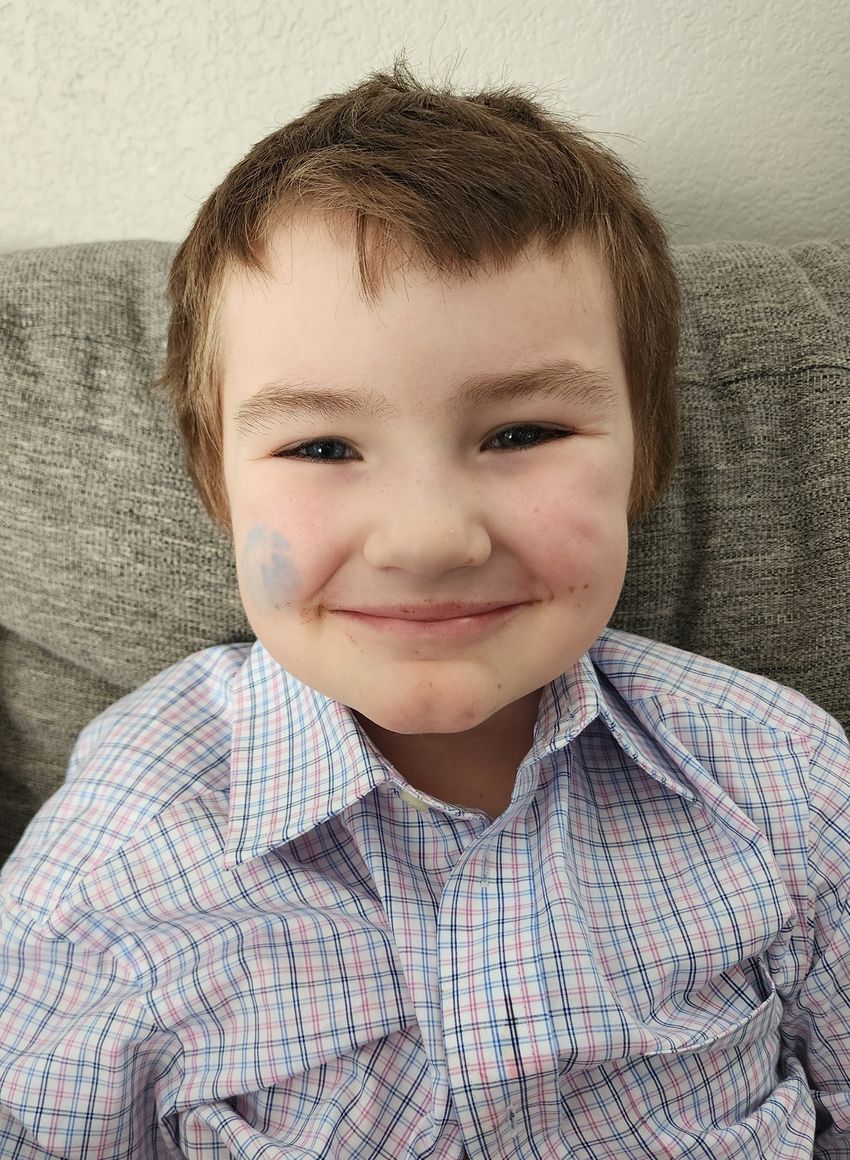
In 2022, Lucas Thompson enrolled in a CD19 CAR T cell therapy clinical trial at the Children’s Hospital Colorado. He is now ten and has been in remission for more than a year.
Credit: Michaela Thompson
Existing chemotherapies given to these patients have been very intense and can be harsh on babies, which further emphasizes the need for a better therapy, she added.
In June 2024, following successful Phase 3 clinical trials, the FDA approved blinatumomab, a bispecific antibody immunotherapy to treat patients, 1-month or older with B-ALL.
“We've learned that infants now getting blinatumomab chemotherapy upfront seem to do better, which is outstanding, but there's still going to be a group that recurs,” Annesley said.
So far, the CD19 and CD19/22 CAR T cell therapies that Annesley and her colleagues are developing seem to be well tolerated by infant patients. Of the 19 patients enrolled in the initial trial, 12 remained in remission one year post-infusion. “My hope is that CAR T cell will continue to be a salvage option for those babies who may not respond to blinatumomab or other treatments, and maybe one day a frontline therapy.”
For Shah, there are still many unknowns with CAR T cells. Aside from the clinical trials, one of her areas of focus is to understand why certain CAR T cell constructs work only in a proportion of the population and what their long-term outcomes are. “There's a lot of work being done to not only understand that, but to see if we can predict it,” she said. One of the goals is to one day have CAR T cells as an earlier line of treatment for B-ALL.
Lucas Thompson turns 10 this year and has been in remission for 18 months since his CAR T cell infusion. With Lucas’ recovery, Michaela Thompson was able to continue her higher education in health management. She is looking forward to graduating this summer. As she reflected on the impact that CAR T cells have had on Lucas, the word hope came to mind. “CAR T gave us some of that hope back when we felt like we had exhausted all of our other treatment options,” she said. “I think that just shows how important continuing research is and finding other options for families like ours, who felt like we didn't have a lot of options at the time.”