Scientists are uncovering a hidden ecosystem inside cancer itself — the intra-tumoral microbiome.
Once dismissed as contamination, these microbes are now recognized as active participants in cancer biology, influencing tumor initiation, progression, and response to treatment. A new review published in Genes & Diseases outlines how these microbial communities could become valuable tools in precision oncology.
The review, led by researchers from the Army Medical University and Chongqing Medical University, compiles evidence linking intra-tumoral bacteria, viruses, fungi, and parasites to multiple cancer types, including breast, lung, pancreatic, gastric, ovarian, and colorectal cancers. The authors describe how these microorganisms integrate into the tumor microenvironment, interacting with cancer cells and the immune system in ways that can either promote or inhibit disease.
How microbes affect cancer therapy
According to the authors, intra-tumoral microbes can influence cancer at the molecular level by integrating into host genomes, triggering DNA damage, and activating oncogenic signaling pathways. They can also reshape the tumor’s immune microenvironment, either dampening immune surveillance or, in some cases, stimulating anti-tumor immunity. Such dual roles make them both a risk factor and a potential therapeutic ally.
Distinct microbial signatures are being identified across tumor types, suggesting diagnostic and prognostic potential. For example, Fusobacterium nucleatum has been detected in cervical cancer and may serve as a biomarker for early detection or disease progression. By mapping these microbial fingerprints, researchers hope to distinguish healthy tissue from malignant tissue more precisely and design microbiome-based diagnostic tools.
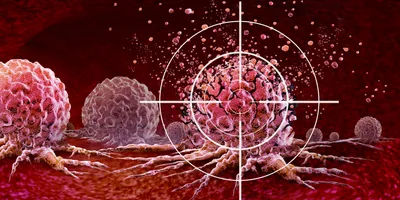
Beyond their diagnostic value, the tumor microbiome has direct implications for treatment outcomes. Microbes within tumors have been shown to modulate the efficacy and toxicity of cancer therapies, including chemotherapy, immunotherapy, and radiotherapy. For instance, Bifidobacterium enhances the anti-tumor activity of anti-CD47 immunotherapy in mouse models, while other species suppress immune responses and enable tumors to evade destruction.
At the same time, certain microbes contribute to therapy resistance. In pancreatic cancer, Gammaproteobacteria produce cytidine deaminase, an enzyme that degrades gemcitabine and renders the chemotherapy ineffective. Similarly, Lactobacillus iners can induce chemo- and radio-resistance in cervical cancer by rewiring metabolic pathways. These findings are prompting drug developers to consider the microbiome as a key variable in predicting — and overcoming, treatment resistance.
Microbes as medicine
Scientists are now exploring ways to harness or engineer tumor-associated microbes for therapeutic benefit. Strains such as Bifidobacterium, Salmonella, Clostridium, Listeria, and Escherichia coli have been investigated as delivery vehicles for cancer vaccines and targeted therapies. Engineered bacteria, including modified E. coli and Salmonella, are showing promise in preclinical models by enhancing immune activation and improving drug delivery directly within tumors.
By integrating microbial profiling into cancer diagnostics and leveraging engineered bacteria as treatment tools, future therapies may combine traditional oncology with microbial engineering to overcome resistance and improve patient outcomes.