News

| 4 min read
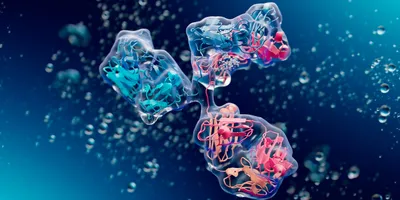
BCG vaccination reduced tau pathology and neuroinflammation in mice, prompting researchers to investigate whether trained immunity could inform future treatments for Alzheimer’s disease.

| 3 min read
Bacterial genomes recovered from discarded DNA sequencing data could help researchers investigate whether microbes contribute to aggressive prostate cancer.
| 4 min read
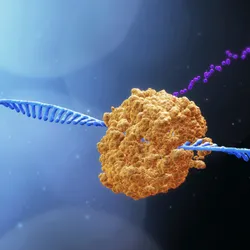
A machine learning-based screen identified SRSF1 as a potential target for reversing several hallmarks of aging without erasing cell identity, with further testing revealing benefits in aged mice.
| 4 min read
Positive Alzheimer's trial data, workforce reductions, mRNA cancer therapy updates, and more led the news this week.

| 2 min read
The first proof-of-concept study showed that the gene therapy reduced the production of cerebrospinal fluid in the brains of mice.
| 2 min read
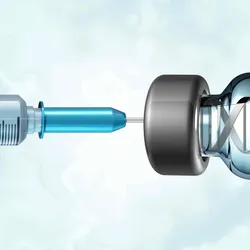
A novel AI-guided approach enabled accelerated discovery of thermostable mRNA vaccines, eliminating ultra-cold storage barriers to expand global vaccine access.
| 3 min read
Facing a tight financing market, the CRISPR biotech will wind down two off-the-shelf cell therapies as investor money shifts toward in vivo CAR T.
| 4 min read
Proteomic studies, billion dollar pharma deals, WHO initiatives, and more led the news this week.

| 6 min read
Alzheimer’s disease often overlaps with other causes of cognitive decline. A new proteomics project aims to untangle that mixture and help researchers identify the right patients for future clinical trials.
| 3 min read
Researchers showed that before cancer cells metastasize the brain, they enter a “proliferative pause” that can be targeted with drugs to prevent metastasis altogether.

| 3 min read
John Yu built Kairos Pharma on a simple bet: Cancer drugs don't fail, tumors just learn to outrun them.

| 2 min read
Phase 2b data for EloraTZP suggest the next gains in obesity will come from stacking hormone pathways, and that tolerability may decide who wins.