Primary membranous nephropathy (pMN) is a kidney-specific autoimmune disease characterized by heavy proteinuria and immune-mediated injury to the glomeruli, the kidney’s microscopic filters. It is a leading cause of nephrotic syndrome in nondiabetic adults worldwide, accounting for 20-37 percent of cases in most reports and up to 40 percent in adults over 60.
The disease is driven by pathogenic autoantibodies that target the podocytes, specialized cells lining the glomeruli. This immune attack damages the kidney’s filtration barrier, leading to heavy protein loss in the urine and progressive decline in renal function.
The natural course of pMN is highly variable. Retrospective studies have shown that approximately one third of patients enter spontaneous remission, another third experience fluctuating proteinuria with relatively preserved kidney function, while the remaining patients develop persistent nephrotic syndrome and progress to end-stage renal disease. Ongoing nephrotic syndrome also carries significant risks outside the kidney, including thrombotic events, serious infections, and cardiovascular complications.
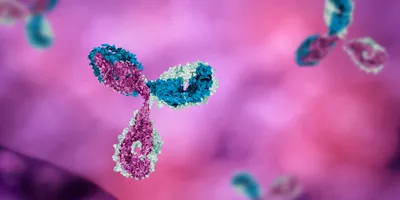
“There are currently no approved therapies for primary membranous nephropathy,” Jay Garg, Global Head of Nephrology and Rheumatology at Genentech, told DDN. That treatment gap has driven Roche and its Genentech unit to advance Gazyva (obinutuzumab), a type 2 anti-CD20 monoclonal antibody already approved in oncology and lupus nephritis, into late-stage development for pMN.

Published in The New England Journal of Medicine this month, the Phase 3 trial showed that Gazyva significantly outperformed tacrolimus, achieving complete remission in 37 percent of patients at two years compared with six percent in the comparator arm, while also meeting key secondary endpoints for overall remission.
Targeting the biology of disease
Historically, pMN has been treated with a combination of supportive care and broad immunosuppression, with treatment intensity guided by a patient’s risk of progression. Calcineurin inhibitors such as tacrolimus are commonly used in moderate-risk patients, while higher-risk individuals may receive more potent regimens, including alkylating agents like cyclophosphamide. Although these approaches can reduce proteinuria, cumulative toxicity remains a concern and relapse is common with tacrolimus.
A major shift in pMN research came when the disease was recognized as being driven by circulating autoantibodies that attack podocytes. Most cases are now linked to antibodies against the M-type phospholipase A2 receptor (anti-PLA2R), alongside a growing list of other target antigens. Because these pathogenic antibodies are produced by B cells, this insight established a strong rationale for therapies focused on B cell depletion.
By depleting the B cells that produce these antibodies, we can cut off their source, allowing inflammation to subside and tissue repair to occur.
—Jay Garg, Genentech
Gazyva is not the first B cell-depleting therapy to be used in pMN. Over the last decade, rituximab, a type 1 anti-CD20 monoclonal antibody, has become a first-line immunotherapy for the disease, with proven safety and efficacy. However, 20 to 40 percent of patients fail to respond to an initial course of rituximab, and between five and 28 percent of patients relapse after achieving remission.
Gazyva has been chemically modified to enhance its ability to deplete B cells more deeply and durably than earlier anti-CD20 therapies. While both rituximab and Gazyva can induce antibody-dependent cellular cytotoxicity, only Gazyva can directly induce B cell death through apoptosis. This enhanced activity has been demonstrated previously in chronic lymphocytic leukemia, where treatment with obinutuzumab–chlorambucil significantly prolonged progression-free survival compared with rituximab–chlorambucil and resulted in higher rates of complete and molecular response.
“Those two mechanisms lead to much greater B cell depletion than what we've seen with other antibodies that target these types of cells,” Garg said. “By depleting the B cells that produce these antibodies, we can cut off their source, allowing inflammation to subside and tissue repair to occur.”
Clinical studies have now demonstrated this approach across multiple immune-mediated diseases, including lupus nephritis, systemic lupus erythematosus, and childhood-onset nephrotic syndrome.
MAJESTY delivers a clear efficacy signal
The MAJESTY trial enrolled 142 adults with pMN, randomizing them one to one to receive intravenous Gazyva or oral tacrolimus. The primary endpoint was complete remission at week 104, defined as a urinary protein-to-creatinine ratio of 0.3 or lower, along with preservation of kidney function within 85 percent of baseline estimated glomerular filtration rate (eGFR).
At two years, 37 percent of patients treated with Gazyva achieved complete remission, compared with just six percent of those receiving tacrolimus — a 31 percentage-point difference that was highly statistically significant. The antibody also met key secondary endpoints, including complete or partial remission at week 104 and complete remission at week 76.
“These patients often start with five to 10 grams of proteinuria,” Garg noted. “Getting them down below 0.3 grams is important because we know that level strongly predicts long-term kidney outcomes, including progression to end stage kidney disease.”
One secondary endpoint — the proportion of patients with a sustained eGFR reduction of at least 30 percent — did not reach statistical significance. However, this was largely because few patients in either arm experienced meaningful loss of kidney function during the two-year study, limiting the ability to detect differences. Notably, mean eGFR remained stable in the Gazyva group through week 104, while the tacrolimus arm showed a numerical decline.
Safety and treatment burden
Safety findings in MAJESTY were broadly consistent with prior experience with Gazyva. Rates of grade 3 or higher adverse events were slightly higher in the Gazyva arm (22 percent) compared with tacrolimus (19 percent), with infusion-related reactions, respiratory infections, and neutropenia among the most commonly reported events. Serious adverse event rates were similar between groups.
Beyond safety, the trial highlighted a potential advantage in treatment burden. Gazyva was administered as a finite course with four infusions delivered over the first six months, followed by observation through two years. In contrast, tacrolimus requires continuous oral dosing and careful therapeutic monitoring, with well-documented risks of nephrotoxicity and relapse after discontinuation.
“Ideally, you want to induce remission and then stop therapy. What’s unique about membranous nephropathy is that you can measure immunologic remission by tracking the pathogenic autoantibody. In our study, about three-quarters of patients had clearance of their autoantibody by six months,” said Garg.
Toward a new standard of care
If approved, Gavyza would become the first therapy specifically indicated for pMN. For patients and clinicians, that milestone could reshape treatment courses that have remained largely unchanged for decades.
“For the first time, patients with pMN could have access to an approved therapy that can reliably induce remission," Garg said. "Importantly, the study looked not only at complete remission, but also partial remission, and the majority of patients achieved one or the other.”
Beyond pMN, MAJESTY adds to a growing body of evidence supporting Gavyza across immune-mediated diseases, including lupus nephritis, systemic lupus erythematosus, and idiopathic nephrotic syndrome. These results highlight the central role of B cells in autoimmune pathology — and suggest that deeper, more durable B-cell depletion may unlock benefits that earlier approaches could not.