News
| 4 min read
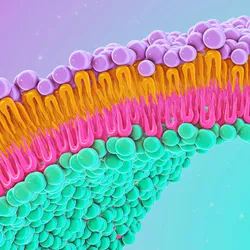
Study demonstrates that computationally-designed miniproteins can modulate GPCR activity in native cellular environments, expanding access to a major drug target family.

| 4 min read
Pharma deals, FDA review hurdles, and more led the news this week.
| 5 min read
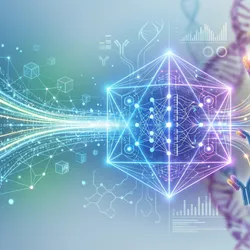
The field has invested heavily in building better models for antibody discovery. The structural interaction data those models are trained on has not kept pace — and that shortfall is now a defining constraint on what AI can reliably do.
| 4 min read
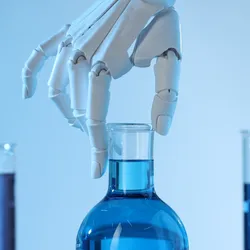
SLAS Europe 2026 showcased growing realism around AI in drug discovery, with attention shifting toward data quality, interoperability, and lab execution.
| 3 min read
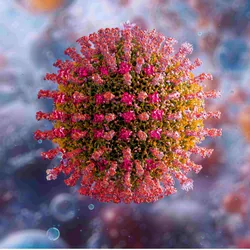
Researchers developed a highly tolerable oral antiviral against orthoparamyxoviruses like measles and human parainfluenza virus types 1 and 3.
| 3 min read
Scientists at Johns Hopkins used a whole-body imaging technique to track where therapeutic cells go after injection

| 3 min read
Trained on more than 30,000 tumor genomes, MutationProjector offers drug developers a broader framework for connecting cancer genetics to therapy outcomes.

| 4 min read
FDA approvals, pharma deals, and genetic testing advancements led the news this week.
| 5 min read
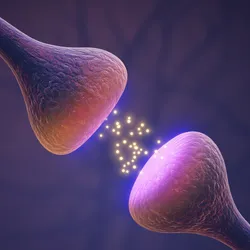
A first-in-class synaptic regenerative approach shows promise across multiple neurodegenerative and neuropsychiatric diseases.

| 4 min read
New regulatory frameworks, shifting incentives, and pragmatic trial designs could finally move patient engagement from rhetoric to reality.
| 3 min read
Using an unbiased molecular screen, researchers found a new gene that could be targeted to treat fragile X syndrome.

| 3 min read
This year’s New Product Award winners reflect growing demand for tools that improve throughput, reproducibility, and hands-free operation in the lab.