For most of human history, infectious diseases were the main causes of morbidity and mortality. Advances in sanitation, antibiotics, vaccines, and public health dramatically shifted that balance, particularly in high-income countries, where life expectancy has increased by nearly 40 years over the past century. Yet the COVID-19 pandemic provided a stark reminder that infectious threats can still reshape societies almost overnight. Between 2019 and 2021 alone, life expectancy in the US fell by more than two years, and recent modelling suggests there is roughly a 50 percent chance of another COVID-scale pandemic occurring within the next 25 years.
Historically, the vaccine development model has been largely reactive and variant-driven, but the industry is now actively shifting toward proactive and universal vaccinology to get ahead of evolving pathogens. Recent results from a first-in-human clinical trial led by the University of Cambridge and its spin-out DIOSynVax, published in the Journal of Infection, provide early clinical evidence of this shift, demonstrating the safety of an AI-designed “super-antigen” intended to provide broad viral coverage.
A universal approach to coronaviruses
The Phase 1 study evaluated pEVAC-PS, a computationally designed pan-sarbecovirus vaccine intended to induce immune responses across the sarbecovirus subgenus of coronaviruses. This group includes SARS-CoV-2, which caused the COVID-19 pandemic, SARS-CoV-1, responsible for the 2002–2004 SARS outbreak, and a large reservoir of related bat coronaviruses with zoonotic potential.
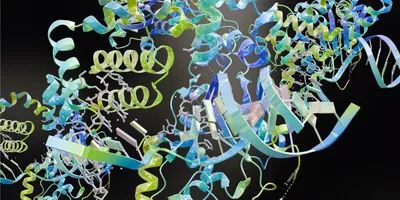
Unlike conventional vaccines, which typically use antigens derived from circulating strains, pEVAC-PS is built around an AI-designed “super-antigen.” The antigen was created by analyzing global sarbecovirus sequence data and using machine learning to identify conserved structural features shared across the virus family — including viruses that have not yet crossed into humans.
“We’ve converted vaccine development from being reactive to being future proof. Our vaccines will continue to provide protection against viruses even as they mutate into new strains,” Jonathan Heeney, pathologist and virologist at the University of Cambridge and the scientific lead of the research, said in the press release.
First-in-human safety data
The trial enrolled 39 healthy volunteers aged 18 to 50, all of whom had previously received two or three doses of a licensed COVID-19 vaccine and had no recent confirmed infection. Participants received escalating doses of pEVAC-PS, administered at day zero and day 28.
The vaccine was delivered as a DNA construct via needle-free intradermal injection, improving both participant acceptability and logistics for global deployment. DNA vaccines are typically more stable than mRNA vaccines and can be manufactured and adapted at scale. Needle-free delivery also avoids sharps waste and can simplify vaccination campaigns, particularly in low-resource settings.
Across all four dose levels, the vaccine was well tolerated. The majority of adverse events were mild or moderate, and there was no clear dose-dependent increase in reactogenicity. Fewer solicited adverse events were reported after the second dose than after the first, suggesting good tolerability of repeated intradermal administration.
Interpreting modest immunogenicity
While the safety profile was encouraging, interpretation of immunogenicity proved more complex. Binding antibody responses to the vaccine construct were detectable, particularly at the highest dose, but responses were modest and variable. Small increases in neutralizing antibodies were seen against the Delta and Omicron variants of SARS-CoV-2, while activity against the ancestral Wuhan strain and SARS-CoV-1 was limited.
A major reason for this variability was the timing of the study. Recruitment took place between December 2021 and September 2023, during successive waves of Omicron infections and booster vaccination campaigns. As a result, participants entered the study with widely varying immune histories, complicating attempts to measure vaccine-induced boosting.
To probe whether the vaccine was directing immunity toward conserved viral regions — the central design goal of the platform — the team used peptide microarray analysis. This revealed antibody binding to conserved receptor-binding domain epitopes, including regions corresponding to known broadly reactive antibody sites. While such binding does not necessarily translate directly into strong in vitro neutralization, these epitopes have been associated with in vivo protection through Fc-mediated immune mechanisms.
Collectively, the data suggest that while pEVAC-PS did not generate robust neutralizing responses in this small Phase 1 study, it provided evidence that the vaccine successfully focused the immune system on shared coronavirus features — supporting the feasibility of the antigen design strategy.
Preparing for the next spillover
Over the past two decades, three major betacoronavirus outbreaks — SARS, MERS, and COVID-19 — have demonstrated how frequently zoonotic coronaviruses can breach species barriers. Bats continue to harbor a vast and largely uncharacterized reservoir of sarbecoviruses that could potentially jump to humans at any time.
Current COVID-19 vaccines are updated periodically to better match circulating variants, but manufacturing and distribution delays mean that vaccines often lag behind viral evolution. While boosters remain effective at reducing severe disease, this reactive model offers limited protection against future spillovers from related coronaviruses.
“Viruses like Influenza, Coronaviruses and the Ebola group are evolving continuously and by the time vaccines are rolled out, they may be poorly matched — the current reactive vaccine system struggles to keep pace,” Saul Faust, clinical researcher in paediatric infectious diseases and immunology at the University of Southampton and the trial’s chief investigator, said in the press release.
He added, “If we can develop and clinically advance this new class of vaccines before a virus outbreak begins, millions of lives could be saved, lockdowns avoided and the economy preserved.”
Despite modest immunogenicity, the results mark a significant proof of concept for AI-guided vaccine design targeting entire virus families. This is the first time a vaccine whose active antigen was designed entirely through computational modelling has been tested in humans, with a clean safety profile. By demonstrating safety and immune engagement with conserved sarbecovirus regions, the study lays the groundwork for refining this approach and advancing broader, more durable coronavirus vaccines.