Articles, Explainers, Milestones
| 4 min read
The Nurix and Roche partnership on bexobrutideg is the latest sign that targeted protein degradation is moving well beyond oncology.

| 6 min read
Researchers are moving beyond the male default as evidence reveals how sex influences disease, drug response, and clinical outcomes.

| 4 min read
A cascade of high-profile drug recalls and evolving FDA and EMA guidance have pushed nitrosamine risk assessment from a late-stage afterthought to an early-development priority

As flow cytometry panels grow larger and more complex, thoughtful panel design has become critical for experimental success.
| 5 min read
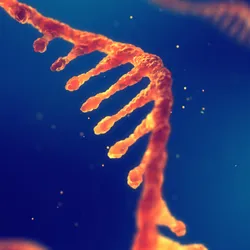
Wobble Genomics is using long-read RNA sequencing to reveal the molecular signals that determine whether a cancer treatment will work.
| 4 min read
By tracking how cells respond to hundreds of thousands of compounds, Soley Therapeutics aims to discover medicines for complex diseases where traditional target-based approaches often fall short.
| 6 min read
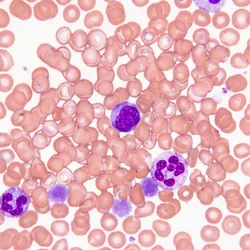
As deep B cell depletion moves into autoimmune disease, antibody-directed allogeneic NK cell therapy may offer a different path to potency, scalability, and outpatient treatment.

| 7 min read
Existing molecules, new targets, and the algorithms trying to tell real biology from statistical coincidence.

| 7 min read
AI is turning a decade of regulatory ambition around real-world evidence into a practical clinical development tool.

| 7 min read
Better patient selection, not better molecules alone, decides many trial outcomes.

| 8 min read
AI in clinical trials is reshaping patient selection, though the translational gap remains unresolved.

| 6 min read
Decades of genomic and clinical research were not conducted equally across populations. AI trained on that history inherits it, which raises a real question: will AI-discovered medicines work equally well for everyone?