Key takeaways
- Mechanism: PROTACs offer an "event-driven" catalytic mechanism that degrades proteins post-translation, while RNA therapies (siRNA, ASOs, mRNA) prevent protein production or replace missing proteins upstream.
- Delivery: PROTACs retain the potential for oral bioavailability and blood-brain barrier penetration, a significant advantage over the complex delivery vehicles (LNPs, GalNAc) required for most RNA therapeutics.
- Manufacturing: PROTACs leverage established small-molecule chemical synthesis pipelines, whereas RNA therapies require specialized biological or enzymatic production processes that are rapidly evolving but distinct.
- The Verdict: Rather than a zero-sum game, the industry is moving toward a stratified approach where RNA dominates liver targets and vaccines, while PROTACs tackle intracellular oncology and neurodegenerative targets.
For decades, the "undruggable" protein was the white whale of the pharmaceutical industry. Transcription factors, scaffolding proteins, and non-enzymatic targets were considered out of reach for traditional small molecule inhibitors, which rely on active site occupancy. Today, that narrative has collapsed. We are no longer asking if we can drug these targets, but how.
Two distinct technological waves have risen to meet this challenge. On one side, we have PROTACs (Proteolysis Targeting Chimeras), the small-molecule "hitmen" that hijack the cell's garbage disposal system. On the other, we have RNA therapeutics—including siRNA, ASOs, and mRNA—which act as the "code breakers," intercepting the genetic message before a protein is ever born.
For drug developers and investors, the "PROTAC vs. RNA" debate is becoming a defining strategic question. Both promise to unlock the vast majority of the proteome that remains untouched by current medicine. But as clinical data matures, the distinct battle lines regarding delivery, manufacturing, and pharmacology are becoming clear.
The hitman: The case for PROTACs
The genius of the PROTAC lies in its ability to turn a cell’s housekeeping machinery against a specific target. Unlike a traditional inhibitor, which must tightly bind an active site to block function (occupancy-driven pharmacology), a PROTAC only needs to grab the target briefly. It recruits an E3 ubiquitin ligase, tags the protein with ubiquitin, and sends it to the proteasome for destruction.
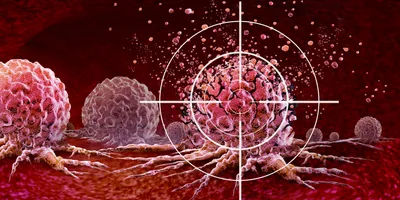
The catalytic nature of PROTACs is their greatest differentiator. As demonstrated in seminal work by Bondeson et al. (2015), a single PROTAC molecule can destroy hundreds of molecules of protein. You don't need to saturate the target; you just need to keep the cycle running.
This "event-driven" mechanism allows PROTACs to target proteins with shallow binding pockets or those that perform structural roles. But the real commercial allure lies in their chemical nature. PROTACs are, at their core, small molecules.
The oral advantage
While early PROTACs were colloquially described as "molecular dumbbells"—large and difficult to solubilize—recent medicinal chemistry advancements have produced orally bioavailable degraders. Arvinas’s bavdegalutamide (ARV-110) and vepdegestrant (ARV-471) have proven that degraders can be pills, not just infusions.
For chronic indications outside of oncology, such as neurodegenerative diseases, the ability to formulate a pill that crosses the blood-brain barrier is a massive competitive advantage over RNA therapies, which generally struggle with CNS delivery without invasive administration.
The code breaker: The case for RNA
If PROTACs are the hitmen, RNA therapies are the censors. By utilizing siRNA (small interfering RNA) or ASOs (antisense oligonucleotides), developers can silence the mRNA transcript, preventing the disease-causing protein from being translated in the first place. Conversely, mRNA therapies can introduce instructions to produce a missing or defective protein.
Speed and programmability
The superpower of RNA is speed. "If you give me a sequence, I can give you a drug candidate in weeks," is a common refrain among RNA scientists. Because the therapeutic cargo is defined by Watson-Crick base pairing, the design phase is digital and rapid. This was famously demonstrated by the development of COVID-19 mRNA vaccines, but it applies equally to rare genetic diseases.
Alnylam’s success with Onpattro (patisiran) and Amvuttra (vutrisiran) has validated the siRNA modality, particularly for liver targets. The GalNAc conjugation technology, which targets the asialoglycoprotein receptor on hepatocytes, effectively solved the delivery problem for the liver, allowing for subcutaneous injections with durability lasting months.
The battleground: Delivery and manufacturing
This is where the divergence is most acute.
Delivery:
- PROTACs: Struggle with the "Rule of 5." They are often high molecular weight and lipophilic, leading to solubility issues ("brick dust"). However, once optimized, they can passively diffuse into cells and tissues throughout the body, including potentially the brain.
- RNA: The molecule itself is unstable and large. It requires a delivery vehicle—typically a Lipid Nanoparticle (LNP) or a chemical conjugate (like GalNAc). While LNPs are effective, they often come with immunogenicity concerns and tend to accumulate in the liver, making extra-hepatic delivery (e.g., to the heart, muscle, or brain) the "Holy Grail" of the field.
Manufacturing:
- PROTACs: Rely on synthetic organic chemistry. While the synthesis is more complex than standard small molecules (often requiring 15-20 steps), it fits into existing global pharma infrastructure.
- RNA: Requires biological synthesis (IVT) or solid-phase oligonucleotide synthesis. Supply chains are newer, and raw materials (plasmids, enzymes, specialized lipids) can be bottlenecks, though capacity has exploded post-pandemic.
Tale of the tape: Head-to-head
Feature | PROTACs (Degraders) | RNA Therapies (Silencers) |
|---|---|---|
Primary Mechanism | Protein degradation (Post-translation) | Gene silencing / Expression (Pre-translation) |
Target Scope | Intracellular proteins, "undruggable" scaffolds | Virtually any gene (if delivery allows) |
Pharmacology | Catalytic (Event-driven) | Stoichiometric (Occupancy-driven*) |
Route of Admin | Oral (Potential), IV | IV, Subcutaneous, Intrathecal |
Tissue Reach | Broad (Systemic, CNS potential) | Liver-dominant (GalNAc); Others challenging |
Manufacturing | Chemical Synthesis | Enzymatic / Biological |
Key Challenge | DMPK optimization (Solubility/Permeability) | Extra-hepatic delivery / Endosomal escape |
*Note: siRNA functions catalytically via the RISC complex, similar to PROTACs, but ASOs are typically stoichiometric.
The convergence: RNA-PROTACs?
Interestingly, the lines are blurring. The emerging concept of RNA-PROTACs (or PROTAC-loaded LNPs) attempts to combine the programmability of RNA with the degradation power of PROTACs. Furthermore, "molecular glues"—smaller, more drug-like cousins of PROTACs—are simplifying the chemistry side, potentially eroding the RNA advantage in "programmability" by making degraders easier to find.
Conclusion: A divided kingdom
The battle between PROTACs and RNA isn't a winner-takes-all scenario; it’s a stratification of the market.

For liver-mediated diseases and rapid-response vaccines, RNA has built an imposing fortress. The ability to dose infrequent injections for durable knockdown is compelling for patients.
However, for oncology and neuroscience—where reaching the tumor microenvironment or crossing the blood-brain barrier with a small, orally active agent is paramount—PROTACs currently hold the high ground.
For the savvy drug developer, the question isn't "Which is better?" but rather "Which tool fits the biology?" The next decade will likely see these two modalities not just competing, but complementing each other in combination therapies, finally closing the book on the concept of the "undruggable" target.
References and further reading
Bondeson, D. P., et al. (2015). Catalytic in vivo protein knockdown by small-molecule PROTACs. Nature Chemical Biology.
Arvinas Inc. (2025). Arvinas and Pfizer Announce Positive Topline Results from Phase 3 VERITAC-2 Clinical Trial. GlobeNewswire.
Ghidini, A., et al. (2021). RNA-PROTACs: Degraders of RNA-Binding Proteins. Angewandte Chemie International Edition.
FDA. (2024). Human Gene Therapy Products Incorporating Human Genome Editing; Guidance for Industry. U.S. Food and Drug Administration.
Mullard, A. (2025). FDA Approvals in Gene Therapy: The Shift to Non-Viral. Nature Reviews Drug Discovery.
BioPhorum Operations Group. (2025). Scalability challenges in LNP manufacturing. BioPhorum.