- Key Takeaways
- Why GLP-1 became the defining metabolic drug class
- How does the GLP-1 receptor actually work?
- From biology to medicine: the drug discovery story
- What is in the GLP-1 pipeline in 2026?
- Beyond weight and glucose: expanding indications
- What did the Alzheimer’s trial results mean for drug discovery?
- The side effect profile and safety questions
- Where does GLP-1 drug discovery go from here?
- Why this matters for drug discovery
GLP-1 and metabolic disease have become inseparable in modern drug discovery, as a class of hormone-mimicking medicines reshapes how the industry treats obesity and type 2 diabetes. Understanding that shift means connecting three threads: the receptor biology that explains why these drugs work, the discovery science that turned that biology into medicines, and a therapeutic pipeline now moving from weekly injections toward oral pills and triple-hormone agonists.
Key Takeaways |
|
Why GLP-1 became the defining metabolic drug class
Few drug classes have reshaped a therapeutic area as quickly as GLP-1 receptor agonists have reshaped metabolic medicine. Against a backdrop of obesity affecting roughly 40 percent of US adults, according to the Centers for Disease Control and Prevention, drugs that produce double-digit weight loss alongside glucose control have moved from the diabetes niche to mainstream obesity therapy in a few short years. That trajectory is what makes the class the center of gravity in metabolic drug discovery today.
The pace of approvals captures the momentum. In April 2026, the FDA approved orforglipron, the first oral small-molecule GLP-1 receptor agonist for weight management, clearing it as the fastest new molecular entity approval since 2002 and the first cleared under the agency’s priority voucher pilot. That same priority voucher route that accelerated these approvals is now part of how quickly the field moves from filing to pharmacy.
This hub connects the threads behind that rise, from mechanism to pipeline, and it complements the analytical science of measuring and characterizing these peptides on the chemistry side of the same molecules.
How does the GLP-1 receptor actually work?
Glucagon-like peptide-1 is an incretin hormone, released from the gut after eating, that signals through the GLP-1 receptor, a class B G-protein-coupled receptor. Its best-known action is in the pancreas, where it stimulates insulin release only when blood glucose is elevated, a glucose-dependent effect that limits the risk of hypoglycemia. That single property is much of why the class is so well-suited to diabetes.
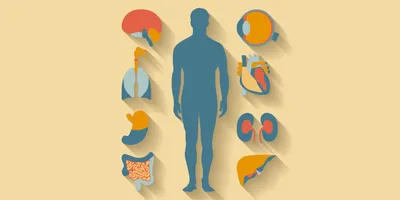
The receptor, however, is expressed far beyond the pancreas, and that wider distribution explains the drugs’ reach. Receptors in the brain reduce appetite and food intake, receptors in the gut slow gastric emptying, and signaling in the heart, vasculature, and kidney underlie the cardiovascular and renal benefits now emerging in trials. A dedicated treatment of receptor structure, signaling, and tissue distribution beyond the pancreas is the natural companion to this overview.
Table 1. GLP-1 receptor actions by tissue
Tissue | GLP-1 receptor action | Therapeutic relevance |
Pancreas | Glucose-dependent insulin release, reduced glucagon | Blood-sugar control in type 2 diabetes |
Brain (hypothalamus, brainstem) | Reduced appetite and food intake | Weight loss and satiety |
Stomach and gut | Slowed gastric emptying | Satiety, and the source of common GI side effects |
Heart and vasculature | Anti-inflammatory and vascular effects | Cardiovascular risk reduction |
Kidney | Protective hemodynamic and anti-inflammatory effects | Renal outcomes in diabetes |
From biology to medicine: the drug discovery story
The therapeutic potential of GLP-1 was understood long before it could be drugged. Native GLP-1 is destroyed within minutes by the enzyme dipeptidyl peptidase-4, far too quickly to be a practical medicine. The discovery challenge, then, was not finding the target but extending the molecule’s life in the body, and the history of the class is essentially a history of solving that problem.
The solutions came in stages: degradation-resistant analogues, then fatty-acid acylation that binds albumin and stretches the half-life from minutes to about a week, then dual and triple agonists that recruit additional hormone receptors, and most recently, small molecules that abandon the peptide structure altogether to enable oral dosing. Each step widened the gap between what biology promised and what a patient could actually take.
The full account of how GLP-1 receptor agonists became a drug-discovery platform traces that engineering in depth, and the broader view of why these drugs are reshaping metabolic medicine sets the commercial and clinical stakes.
The biology was always there. The breakthrough was making it last long enough to matter.
What is in the GLP-1 pipeline in 2026?
The pipeline has shifted from a single-mechanism, single-route field into a crowded landscape of mechanisms and formulations. Weekly injectable agonists established the category, dual agonists raised the efficacy ceiling, the first oral small-molecule agonist arrived in 2026, and triple-hormone agonists are now posting the highest weight-loss numbers yet seen. A dedicated pipeline analysis tracking each candidate by phase is the companion to the summary below.
The throughline is escalating efficacy paired with easier administration. Injectable dual and triple agonists push weight loss past 20 percent in trials, while oral options trade some efficacy for the convenience that could widen access, given that fewer than one in 10 people who could benefit from a GLP-1 currently take one.
Table 2. The GLP-1 and incretin drug landscape in 2026
Drug | Receptor target | Route | Status in 2026 |
Semaglutide | GLP-1 | Injection and oral | Approved across diabetes and obesity |
Tirzepatide | GIP and GLP-1 (dual) | Injection | Approved for diabetes and obesity |
Orforglipron | GLP-1 (small molecule) | Oral | Approved April 2026 for weight management |
Retatrutide | GLP-1, GIP, and glucagon (triple) | Injection | Phase 3, obesity topline data in 2026 |
CagriSema | GLP-1 and amylin | Injection | Phase 3, regulatory filing under way |
Survodutide | GLP-1 and glucagon (dual) | Injection | Phase 3 |
Amycretin | GLP-1 and amylin | Oral and injection | Phase 2 to 3 |
Beyond weight and glucose: expanding indications
What began as diabetes therapy and grew into obesity treatment is now reaching across metabolic and cardiovascular medicine. Approved and investigational indications span cardiovascular risk reduction, chronic kidney disease, obstructive sleep apnea, and metabolic dysfunction-associated steatohepatitis, with trials probing still more conditions. The breadth follows directly from the receptor biology, because a receptor expressed in many organs offers many therapeutic footholds.
New modalities are extending the class further. Among the most striking is the first human trial of GLP-1 gene therapy, which aims to achieve durable receptor activation without chronic dosing, a sign of how far beyond conventional peptides the field is now willing to look.
What did the Alzheimer’s trial results mean for drug discovery?
The expansion of GLP-1 into new diseases has not been uniformly successful, and the most instructive failure came in neurodegeneration. Real-world data and preclinical models had suggested that GLP-1 signaling might slow Alzheimer’s disease, a hypothesis serious enough to justify two large phase 3 trials of oral semaglutide in early-stage symptomatic disease.
The result was negative. Across 3,808 participants, semaglutide did not significantly slow disease progression, even though it improved several Alzheimer’s-related biomarkers. The detail of the disappointing readout of the GLP-1 Alzheimer’s trial matters for drug discovery precisely because of that gap: moving a biomarker is not the same as changing a disease, and a new dedicated analysis of what the failure means for target selection and trial design is the right place to draw the lessons out.
The Alzheimer’s trial moved the biomarkers but not the disease, a reminder that target engagement is not the same as benefi
The side effect profile and safety questions
No drug class this widely used escapes scrutiny of its safety profile, and the GLP-1 agonists carry a characteristic one. Gastrointestinal effects, such as nausea, vomiting, diarrhea, and constipation, are the most common and follow directly from slowed gastric emptying. The class also carries a boxed warning for thyroid C-cell tumors based on rodent findings of uncertain human relevance, and ongoing debate surrounds questions such as loss of lean muscle mass and weight regain after stopping treatment.
A complete account of the full side effect profile of the GLP-1 class is essential context for any discovery program, because tolerability and durability, as much as raw efficacy, increasingly decide which candidates succeed.
Where does GLP-1 drug discovery go from here?
The next phase of the field is defined less by whether GLP-1 works and more by how to deliver it better, more broadly, and at scale. Three questions dominate. The first is mechanism: whether triple agonists, amylin combinations, or other partners will define the next efficacy tier. The second is access: whether oral small molecules and lower-cost manufacturing can reach the large majority of eligible patients who remain untreated. The third is durability, both of weight loss after stopping and of the supply chains needed to meet demand.
Manufacturing sits at the center of that last question. The shift toward synthetic peptides and small molecules changes the economics of production and the analytical demands that come with it. Peptide synthesis, formulation, purity, and supply are a discovery and commercial concern in their own right, addressed in a dedicated treatment of GLP-1 manufacturing challenges.
Why this matters for drug discovery |
GLP-1 is no longer a single target but a platform, and the competitive frontier has moved from proving the biology to optimizing it: more receptors engaged, easier routes of administration, broader indications, and manufacturing that can meet global demand. Discovery teams entering the space are competing against a fast-moving, well-validated standard, not an open field. The Alzheimer’s failure is the cautionary counterpoint. A mechanism that works spectacularly in metabolic disease did not translate to neurodegeneration, a reminder that receptor expression in a tissue is a hypothesis, not a result. |
This article was produced under Drug Discovery News’ AI Editorial Guidelines.