- The biologic manufacturing lifecycle
- Upstream bioprocessing: where scale-up begins
- Single-use systems and the shift in facility economics
- Downstream processing: the purification challenge
- Process intensification and the rise of continuous manufacturing
- The new frontier: cell, gene and mRNA therapy manufacturing
- The CDMO option: outsourcing commercial-scale biology
- Pharma 4.0: bioprocessing in the digital age
The biopharmaceutical industry has never been better at discovering drugs. It has never been more challenged by the task of manufacturing them.
Between 2020 and 2024, 74% of complete response letters issued by the U.S. Food and Drug Administration were driven by manufacturing and quality deficiencies, according to published analysis cited by FDA-registered consultants. An estimated 40% of investigational new drug applications are now stopped or rejected at that stage due to chemistry, manufacturing and controls issues before they ever reach a patient.
The scientific innovation driving modern drug discovery, from next-generation biologics and bispecific antibodies to viral vector-based gene therapies and lipid nanoparticle-encapsulated mRNA, has outpaced the industry's ability to manufacture these molecules at scale. Bridging that gap is the defining operational challenge of 21st-century drug development. This guide covers the full bioprocessing lifecycle, the manufacturing platforms driving scale-up today and the Pharma 4.0 technologies reshaping what it means to manufacture a biologic.
The biologic manufacturing lifecycle
Every biologic drug begins as a lead molecule, typically an antibody, recombinant protein, viral vector or nucleic acid, identified through discovery research. Getting from that molecule to a commercially available drug requires a manufacturing development journey that can take a decade and cost hundreds of millions of dollars before a single commercial dose is produced.
Early process development establishes the host cell system, initial culture conditions and small-scale bioprocess parameters, typically in bench-scale bioreactors of one to 15 liters. The goal is to develop a process that is not just scientifically productive but scalable, robust and GMP-compatible. The decisions made at this stage, including choice of cell line, media formulation and process mode, propagate forward into every subsequent manufacturing decision.
Clinical manufacturing scales processes to 50 to 2,000 liters, with full GMP compliance required for material entering human trials. Process characterization at this stage defines the ranges within which critical process parameters must be controlled and provides the data foundation for the regulatory submission package. Commercial manufacturing, at 5,000 to 20,000 liters and above, demands consistent lot-to-lot reproducibility, robust deviation management, and yield optimization at a scale where a single failed batch can represent millions of dollars in lost product.
Stage | Typical scale | Key activities | GMP status |
Early process development | 0.1 to 15L (shake flasks to bench bioreactor) | Host cell selection; initial media development; small-scale process characterization; clone screening and selection | Pre-GMP; data informs future regulatory submissions |
Phase I/II clinical manufacturing | 50 to 500L | Master and working cell bank generation; process characterization begins; drug substance for first-in-human trials produced under full GMP | GMP required for all material entering human trials |
Phase II/III late-stage clinical | 200 to 2,000L | Scale-up confirmation; design space definition; process validation studies; regulatory submission package development | Full GMP; process characterization studies support BLA or MAA filing |
Commercial manufacturing | 2,000 to 20,000L+ | Consistent lot-to-lot production; continued process verification; yield optimization; post-approval change management | Full GMP; FDA or EMA approval required before commercial supply begins |
The principle that governs the entire lifecycle is simple: the process is the product. For operators focused on the day-to-day management of GMP bioprocessing facilities, Lab Manager's guide to bioprocessing lab operations covers the facility design, procurement and workforce dimensions in detail.
Upstream bioprocessing: where scale-up begins
Upstream bioprocessing encompasses everything that happens before the drug substance is separated from the cells that made it: cell line development, seed train expansion and the production bioreactor run. For most biopharmaceuticals, this means mammalian cell culture, with Chinese hamster ovary (CHO) cells serving as the dominant host for monoclonal antibody and recombinant protein production.
Cell line development
The foundation of any biopharmaceutical manufacturing process is a well-characterized, high-expressing stable cell line. Cell line development involves transfecting host cells with the gene encoding the drug substance, selecting clones with high productivity and desired product quality attributes, and generating a research cell bank and a master cell bank for GMP production. Advances in high-throughput screening, automated single-cell cloning, and miniaturized bioreactor systems have dramatically shortened cell line development timelines from 12 to 18 months toward as few as four to six months in optimized programs. For an in-depth look at modern approaches, navigating the smarter path to stable cell lines examines how automated imaging and picodroplet encapsulation technology are reshaping clone selection.
Bioreactor scale-up and the engineering challenge
Scaling a bioreactor from bench to commercial scale is not a linear process. Critical process parameters, including pH, dissolved oxygen, temperature, agitation and gas transfer, must be maintained within defined ranges as the culture volume increases by orders of magnitude. Mixing time increases as the cube of volume; oxygen transfer rate and shear stress profiles change in non-linear ways that can stress cells and alter product quality. Process engineers rely on dimensionless scale-up criteria, including the oxygen transfer coefficient (kLa) and tip speed, to design scale-up strategies that maintain process performance.
Process characterization studies, typically conducted at small to mid-scale, map the relationship between critical process parameters and critical quality attributes of the drug substance. This design-space characterization provides the scientific justification for the manufacturing parameter ranges submitted to regulators and defines the boundaries within which the commercial process can be operated without triggering a regulatory reporting obligation.
Single-use systems and the shift in facility economics
The adoption of single-use bioprocessing equipment, including disposable bioreactors, bags, tubing sets, filters and sterile connectors, has fundamentally changed the economics of biopharmaceutical facility design. The global single-use bioprocessing market is projected to reach $33.67 billion by 2030, expanding at a compound annual growth rate of 13.3%, according to MarketsandMarkets analysis published in October 2025. That growth reflects a structural shift in how the industry approaches facility investment.
Single-use systems eliminate the capital-intensive cleaning validation required for stainless steel equipment, reduce facility commissioning timelines by 12 to 18 months, and offer superior flexibility for multiproduct facilities operating diverse product portfolios. A stainless steel GMP facility at commercial scale represents a capital commitment of $100 million to $1 billion depending on scale and product type. Single-use architectures reduce that commitment substantially, particularly at clinical and early commercial scale, while shifting ongoing spend from capital expenditure to operational consumables.
The COVID-19 pandemic exposed the supply chain vulnerability of facilities dependent on single-source single-use component suppliers. Bag availability constraints and sterile connector shortages disrupted production timelines across the industry in 2021 and 2022. Since then, supplier qualification, safety stock management and dual-sourcing strategies have become standard practice in well-managed single-use programs.
Single-use systems also carry a specific regulatory obligation: materials in direct contact with the drug substance must be characterized for leachables and extractables under USP <665>/<1665> standards. Major bioprocessing suppliers publish extractables characterization packages for their single-use components, but sponsors are responsible for demonstrating compatibility between those materials and their specific drug substance under their specific process conditions.
Downstream processing: the purification challenge
Downstream bioprocessing encompasses the series of unit operations that separate, purify and formulate the drug substance from the harvested cell culture. For monoclonal antibodies, the process is well-established: protein A affinity chromatography captures the monoclonal antibody from the cell culture harvest in a single step — achieving greater than 1,000-fold enrichment of the target protein and clearing the bulk of host cell proteins, DNA and process-related impurities — followed by viral inactivation, ion exchange polishing steps and ultrafiltration/diafiltration for formulation.
The downstream capacity bottleneck is a real and recurring constraint in commercial biopharmaceutical manufacturing. As upstream titers have increased, from one gram per liter in the early 2000s to 10 grams per liter and above in optimized processes today, the volume of clarified harvest presented to purification has grown correspondingly. Chromatography resin capacity and process cycle times have not always kept pace, making downstream purification a primary bottleneck in high-volume commercial operations.
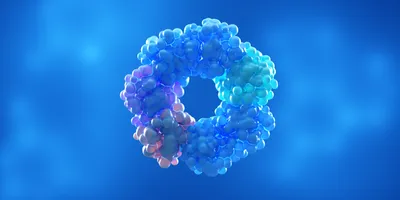
The manufacturing challenge is significantly more complex for modalities beyond monoclonal antibodies. Viral vectors for gene therapy are too large for protein A affinity capture, requiring alternative platform chemistries including anion exchange chromatography, density gradient ultracentrifugation and affinity ligands specific to each vector serotype. Antibody-drug conjugates require careful management of the cytotoxic payload throughout downstream processing to protect personnel and prevent cross-contamination.
mRNA drug substances are purified by entirely different principles, including oligo-dT affinity capture, ion pair reverse-phase chromatography and tangential flow filtration, before encapsulation in lipid nanoparticles. The LNP formulation step itself, typically conducted by microfluidic mixing of aqueous mRNA with ethanolic lipid solutions, presents its own scale-up challenges in controlling particle size distribution and encapsulation efficiency as process volume increases from milliliters to liters to hundreds of liters. For more on this rapidly expanding therapeutic class, see related coverage of antibody-drug conjugate development and manufacturing, including mechanism, pipeline status and scale-up considerations.
Process intensification and the rise of continuous manufacturing
Process intensification in bioprocessing means extracting more productivity from each liter of bioreactor volume over each hour of operation, typically by increasing viable cell density, sustaining cultures for longer durations and integrating unit operations that previously operated in batch mode. The technology that enables most upstream process intensification is the perfusion bioreactor.
In a perfusion bioreactor, fresh media is continuously added to the culture while spent media, metabolic waste products, and, in some configurations, harvested product is continuously removed. Cells are retained in the bioreactor using cell retention devices, most commonly alternating tangential flow (ATF) filtration or tangential flow filtration (TFF) systems. The result is a culture capable of reaching viable cell densities of 50 to 150 million cells per milliliter, compared to 10 to 40 million cells per milliliter in optimized fed-batch processes, while maintaining high cell viability over runs of 30 to 90 days.
Factor | Fed-batch | Perfusion |
Mode of operation | Nutrients fed periodically; culture harvested at end of run | Continuous media addition and spent media removal; cells retained throughout |
Viable cell density | 10 to 30 million cells/mL at peak in optimized CHO processes | 40 to 150 million cells/mL in optimized programs, sustained throughout run |
Typical run duration | 10 to 14 days | 30 to 90 days |
Equipment footprint | Larger bioreactor required for equivalent annual output | Up to 70% smaller footprint for equivalent annual production |
Facility capital cost | Higher capital for equivalent commercial output | 30 to 50% lower facility cost for equivalent annual production |
Process complexity | Well-established; broad regulatory precedent | More complex; requires robust cell retention; ICH Q13 (2023) provides regulatory framework |
Best suited for | Standard mAb and recombinant protein production; established commercial products | Process intensification programs; N-1 seed train compression; smaller-footprint commercial facilities |
The economic case for continuous manufacturing is compelling. Published analyses of integrated continuous bioprocessing programs report equipment footprint reductions of up to 70%, volumetric productivity improvements of three- to fivefold, and facility capital cost reductions of 30% to 50% compared to equivalent fed-batch processes at the same annual output target. Regulators have responded with enabling policy: ICH Q13, the international harmonized guidance on continuous manufacturing for pharmaceutical products adopted in 2023, provides the regulatory framework within which continuous bioprocessing programs can be developed and submitted.
N-1 perfusion, running the final stage of the seed train in perfusion mode before inoculating the production bioreactor, has emerged as a high-value entry point for continuous manufacturing adoption. By dramatically increasing the viable cell density and viability of the inoculum delivered to the production bioreactor, N-1 perfusion can compress seed train timelines, reduce the number of seed train stages required and improve production bioreactor performance without requiring a full transition to continuous production mode. The FDA's Emerging Technology Program provides a formal engagement pathway for manufacturers developing novel continuous manufacturing approaches.
The new frontier: cell, gene and mRNA therapy manufacturing
Cell, gene and mRNA therapies present manufacturing challenges that the biopharmaceutical industry has never encountered at scale. Where conventional biologics manufacturing targets grams to kilograms of purified protein per lot, cell therapy manufacturing targets millions to billions of engineered cells per patient. Where viral vector manufacturing targets infectious particles measured in units of 10 to the 14th power, mRNA manufacturing targets nanograms to micrograms of precisely folded nucleic acid encapsulated in particles with specific biophysical properties.
Viral vector manufacturing
Viral vector production, for both in vivo gene therapy and ex vivo cell therapy applications, faces a persistent capacity crisis. The dominant production platform for adeno-associated virus (AAV) and lentiviral vectors remains transient transfection in HEK293 cells, a process that is technically complex, difficult to scale, and highly variable. Achieving the particle titers required for commercial supply while maintaining product quality and process consistency is an ongoing engineering and regulatory challenge. The in-depth look at the viral vector manufacturing bottleneck examines how the industry is transitioning from artisan-workshop production models to factory-floor platforms capable of commercial supply.
The platform selection decision, AAV vs. lentiviral vs. non-viral delivery, has profound implications for every subsequent manufacturing choice. For a detailed comparison, viral vs. non-viral gene delivery: a critical choice for gene therapy developers maps the manufacturability, scalability and regulatory considerations across delivery platform options.
Cell therapy manufacturing
Autologous CAR-T cell therapies require a vein-to-vein manufacturing process in which each patient's own T cells are harvested, shipped to a manufacturing facility, genetically engineered, expanded, formulated, and shipped back to the patient. The manufacturing process must be completed within the patient's clinical window, and every lot is specific to an individual patient. This model is GMP-compliant, clinically validated, and economically unsustainable at any meaningful scale. A detailed analysis of the manufacturing model behind autologous CAR-T and NK cell therapies explores the emerging allogeneic alternatives that aim to replace patient-specific manufacturing with off-the-shelf products. More recently, in vivo CAR T approaches using RNA delivery platforms are beginning to challenge the ex vivo manufacturing model entirely.
The regulatory consequences of manufacturing inadequacy in this space have been severe. Reporting on why gene and cell therapy programs are stalling at the FDA documents how CMC deficiencies have become the leading cause of clinical rejection letters in the advanced therapy space. Early-stage design choices about vector type, cell source, expansion method and manufacturing platform now carry regulatory consequences that can derail programs years into development. The FDA and European Medicines Agency (EMA) have published evolving guidance on advanced therapy medicinal products (ATMPs) that increasingly demands CMC maturity earlier in development.

mRNA manufacturing
The COVID-19 pandemic proved that mRNA therapeutics could be manufactured, formulated and distributed at population scale within months of sequence identification. It also revealed the complexity of doing so consistently. mRNA manufacturing involves in vitro transcription of a linearized DNA template, enzymatic 5' capping and polyadenylation, purification to remove immunogenic double-stranded RNA byproducts, and formulation into lipid nanoparticles that protect the molecule in vivo and mediate cellular uptake. Each step introduces variables that must be tightly controlled.
Commercial-scale LNP manufacturing by microfluidic mixing presents particular challenges in maintaining particle size distribution, polydispersity index, and encapsulation efficiency as process volumes scale from milliliters to hundreds of liters. The industry does not yet have mature, standardized commercial-scale LNP manufacturing platforms equivalent to those available for monoclonal antibody production, and process development for new mRNA programs must often proceed in parallel with the scale-up engineering work.
The CDMO option: outsourcing commercial-scale biology
The global biologics contract development and manufacturing organization market reached $20.7 billion in 2024, according to Alira Health's 2025 Biologics Contract Manufacturing Report. Advanced therapies were the fastest-growing segment, expanding 37% year over year to $3.7 billion and now representing 18% of total CDMO market value. The structural driver is straightforward: building a GMP-compliant commercial biomanufacturing facility requires $100 million to $1 billion in capital, takes four to seven years to design, construct, commission, and validate, and creates a fixed asset that becomes a liability if the product pipeline does not fill it. For most emerging biotech companies, the CDMO route is not a cost-cutting measure — it is the only viable path to the clinic and to commercial supply.
CDMOs offer sponsor companies access to existing GMP infrastructure, established regulatory track records, experienced manufacturing personnel, and platform processes that reduce process development timelines. Integrated CDMOs, which offer services from early process development through clinical and commercial manufacturing in a single organization, minimize the technology transfer risk that arises when development and manufacturing are conducted by different organizations.
Technology transfer, the process by which a manufacturing process is transferred from the developer to the CDMO, is the highest-risk operational event in any CDMO relationship. A poorly documented or inadequately characterized process transfers poorly and generates the kind of process variability and batch failures that drive regulatory rejection. Quality technical agreements, which define the responsibilities of sponsor and CDMO for every aspect of product quality and release, are the contractual framework that governs the relationship. Poorly negotiated quality agreements are among the most common root causes of CDMO relationship failures.

The cell and gene therapy CDMO landscape has expanded rapidly in response to demand. Major contract manufacturers including Samsung Biologics, WuXi Biologics, Lonza and Catalent have built or acquired specialized CGT manufacturing capacity. The concentration of the market remains high: the top eight CDMOs captured 51% of total biologics manufacturing market revenue in 2024, generating $10.6 billion of the $20.7 billion total.
Pharma 4.0: bioprocessing in the digital age
Pharma 4.0 describes the application of fourth industrial revolution technologies, including automation, digital twins, artificial intelligence, real-time analytics and interconnected data systems, to pharmaceutical manufacturing. For bioprocessing, it represents a fundamental shift in how manufacturing is monitored, controlled and optimized.
Key Pharma 4.0 technologies being deployed across biopharmaceutical manufacturing include:
- Process analytical technology (PAT): real-time measurement of critical quality attributes during manufacturing, enabling in-process adjustments rather than end-product testing
- Digital twins: virtual replicas of physical bioprocesses used for simulation, optimization and troubleshooting before changes are implemented in the physical system
- Artificial intelligence and machine learning: predictive models for batch deviation detection, yield optimization and equipment maintenance scheduling based on historical and real-time process data
- Connected manufacturing execution systems (MES): real-time data integration across bioreactor control, laboratory information management, quality management and supply chain systems
- Continuous manufacturing platforms: integrated upstream-to-downstream bioprocessing with real-time monitoring and control, supported by the ICH Q13 regulatory framework adopted in 2023
Process analytical technology (PAT) is the regulatory-supported framework for implementing real-time quality monitoring in pharmaceutical manufacturing. FDA's PAT guidance, first published in 2004, encouraged manufacturers to move from end-product testing toward real-time measurement of critical quality attributes during the manufacturing process. In bioprocessing, PAT implementation includes in-line spectroscopic sensors for metabolite monitoring, soft sensors that estimate cell density from physical measurements, and model-based control strategies that adjust feeding and gassing strategies in real time based on the actual metabolic state of the culture.
Digital twins, virtual replicas of physical bioprocesses that can be used for simulation, optimization and real-time troubleshooting, represent the next frontier. A well-calibrated digital twin of a production bioreactor can predict batch trajectories, identify deviation signatures before they propagate to product quality failures and enable operators to test process adjustments in silico before implementing them in the physical system. For a current look at how these systems are being deployed, see the related coverage of digital twins and AI in biopharma manufacturing.
The most immediate practical challenge of Pharma 4.0 implementation is data integration. A commercial bioprocessing facility generates process data from bioreactor control systems, laboratory information management systems (LIMS), manufacturing execution systems (MES), and quality management systems (QMS) in formats and at frequencies that are rarely compatible. Building the unified data architecture that enables real-time analytics across these sources requires significant investment in both technology and in the organizational capability to interpret and act on the resulting data streams.
The FDA's Emerging Technology Program provides a structured engagement pathway for manufacturers developing novel manufacturing approaches, including continuous manufacturing and advanced process control systems. Engaging the program early in development, before regulatory submissions are filed, has proven to reduce review cycle times and improve regulatory predictability for companies implementing Pharma 4.0 manufacturing strategies.
This article was produced under Drug Discovery News' AI Editorial Guidelines