Chimeric antigen receptor (CAR) T cell therapies have transformed treatment paradigms in oncology and are now showing promise in autoimmune diseases. But despite their clinical impact, today’s approved CAR T therapies remain constrained by a complex, ex vivo manufacturing model. T cells must be harvested from each patient, genetically engineered outside the body, expanded, and reinfused — an approach that is costly, time-intensive, and available only at highly specialized centers.
A new strategy, known as in vivo CAR T, is now gaining significant traction as it promises to streamline production, allow more tunable and repeatable dosing, and markedly reduce overall costs. Rather than engineering immune cells in the laboratory, in vivo CAR T approaches aim to selectively deliver CAR-encoding genetic material to a patient’s own T cells using targeted delivery systems such as engineered viral vectors, lipid nanoparticles, or polymer-based carriers. If successful, this approach could bypass many of the logistical and biological challenges associated with ex vivo manipulation, including prolonged treatment timelines, manufacturing bottlenecks, and the risk of T cell exhaustion or heterogeneity introduced during cell processing.
The challenge isn’t just turning CAR expression on to make functional CAR T cells. It’s how efficiently it reaches the right cells, how long that expression lasts, and whether you can do all of that safely and at scale.
—Mike Lam, Sail Biomedicines
At Sail Biomedicines, the answer lies in a new class of RNA medicines designed to temporarily reprogram immune cells in vivo — long enough to reset a malfunctioning immune system, but without permanently altering a patient’s genome.

“The challenge isn’t just turning CAR expression on to make functional CAR T cells,” Mike Lam, Vice President of Strategy and Scientific External Affairs at Sail, told DDN. “It’s how efficiently it reaches the right cells, how long that expression lasts, and whether you can do all of that safely and at scale.”
Why durability matters in CAR T
Most RNA medicines approved today use linear messenger RNA (mRNA). While effective for vaccines and transient protein expression, linear mRNA is inherently unstable in the body. Its exposed 5’ and 3’ ends are vulnerable to cellular degradation mechanisms such as decapping, deadenylation, and exonuclease activity. As a result, protein production from linear mRNA typically rises quickly but then falls sharply, limiting the duration of its therapeutic effect.
Sail’s approach centers on a next-generation RNA construct known as endless RNA, or eRNA. Structurally, eRNA is circular rather than linear, meaning it lacks the exposed ends that typically trigger rapid degradation. Circular RNA molecules are therefore inherently more stable and can persist longer inside cells. However, naturally occurring circular RNAs are typically non-coding or poorly translated, limiting their therapeutic utility. “That’s where engineering comes in,” Lam said.
Sail designs its circular RNA to actively recruit ribosomes — the cellular machinery that translates RNA into protein — using internal ribosome entry sites (IRES). These elements allow protein production to occur independently of the traditional RNA cap structure, enabling sustained and tunable translation over multiple days.
“We utilize circular RNA for its biophysical stability, but we've designed and screened our eRNAs to have additional stability and improved translational output to serve the basis of our therapeutic platform,” Lam explained.
By tuning RNA sequence features and translational elements, Sail aims to control both the magnitude and duration of protein expression, translating molecular design into predictable pharmacology at the cellular level.
“What matters clinically is control,” Lam adds. “We can tune how much protein is made and how long it’s made for. That allows us to translate molecular design into a pharmacological profile that actually works in living immune cells.”
Making CAR T cells in the body
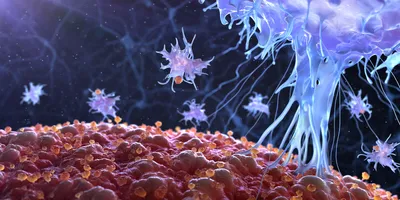
Rather than extracting T cells from patients and modifying them in specialized facilities, Sail delivers eRNA directly into a patient’s own immune cells using targeted nanoparticles. These nanoparticles are engineered with selective targeting ligands on their surface, allowing them to bind to specific immune cell receptors. Once internalized, the nanoparticles release their RNA payload, prompting T cells to transiently express a CAR. These newly programmed CAR T cells then seek out and eliminate pathogenic B cells, with the goal of resetting the immune system in autoimmune patients.
Lam pointed out that this transient expression is a key safety feature of the approach. “In traditional ex vivo CAR T therapies, about two percent of patients develop CAR-positive T cell cancers because the lentiviral vectors used can randomly integrate into the genome, sometimes activating oncogenes or disrupting tumor suppressors,” he said. “The transient nature of Sail’s eRNA avoids this risk entirely, since it does not integrate into the genome.”
In Sail’s lead program, the target is CD19, a well-validated B-cell antigen in both oncology and autoimmune disease. By delivering an eRNA-encoded CD19 CAR directly to CD4+ and CD8+ T cells, the therapy aims to generate functional CAR T cells in vivo — without cell harvesting, viral vectors, or genome integration.
“By combining durable eRNA with precise cell targeting, we can achieve a highly potent therapeutic effect at much lower doses, which maximizes efficacy while minimizing potential side effects,” Lam explained
Mimicking immune reset
Sail shared preclinical data for its first development candidate in May 2025 at the American Society of Gene & Cell Therapy annual meeting. In humanized mouse models, the in vivo CAR T therapy demonstrated broad and deep depletion of B cells across blood, spleen, lymph nodes, and bone marrow.
Depletion occurred across all B-cell subsets, including pro-B and pre-B progenitor cells, a pattern associated with immune reset rather than temporary suppression. Once the transient CAR expression subsided, the B cell compartment repopulated, starting with naive, immature cells, effectively resetting the immune system. This pattern closely mirrors the immune reset observed with ex vivo CAR T therapies, giving the team confidence that their in vivo approach can achieve similar therapeutic outcomes.
The company also reported efficient in vivo T-cell reprogramming. Across rodents, non-human primates, and human T cells, Sail’s targeted nanoparticles achieved transfection rates of approximately 50-80 percent in CD4+ and CD8+ T cells. In more recent studies with humanized mice, individual T cells expressed between 5,000 and 10,000 CAR molecules — levels above established thresholds for effective cytotoxic activity.
Scaling CAR T beyond specialized hospitals
One of the most compelling aspects of Sail’s approach is its potential impact on access. Current CAR T manufacturing capacity is estimated to serve only a small fraction of eligible patients worldwide each year. The process requires leukapheresis, weeks of cell manufacturing, lymphodepleting chemotherapy, the reinfusion of the ex vivo product, and extended hospital monitoring.
By contrast, an in vivo RNA-based CAR T therapy could, in principle, be administered as a short outpatient infusion. “If you can eliminate personalized manufacturing and lymphodepletion, you dramatically reduce cost, complexity, and burden on the healthcare system,” Lam said. “That’s how you go from thousands of patients to potentially millions.”
Sail is currently advancing its lead CD19-targeted program toward the clinic, focusing initially on autoimmune diseases such as lupus and other B-cell–driven conditions. The central question heading into clinical trials is whether transient, in vivo-generated CAR T cells can match the depth and durability of responses seen with ex vivo approaches. If successful, this shift could be transformative for patients long excluded by cost, logistics, or geography.