Key takeaways
- The Enemy: mRNA is inherently suicidal. It is prone to hydrolysis (water-mediated cleavage) and oxidation, reactions that accelerate exponentially with temperature.
- The Vehicle: Lipid Nanoparticles (LNPs) are thermodynamically unstable. They want to fuse, aggregate, and leak their precious cargo, requiring sub-zero stasis to maintain integrity.
- The Cost: The "Cold Chain Tax" limits global access. Current vaccines require -20°C to -80°C storage, making distribution in resource-poor settings a logistical nightmare.
- The Future: Lyophilization (freeze-drying) and circular RNA (circRNA) represent the scientific exit strategy, promising room-temperature stability and true off-the-shelf availability.
Introduction: The fragile revolution
The speed at which mRNA vaccines were deployed during the pandemic was a triumph of biological software. But the hardware remains buggy. The defining image of the rollout wasn't the jab itself, but the endless rows of ultra-low temperature freezers and the dry ice shortages. [3]
This is the "dirty secret" of the mRNA revolution: it is fragile. We are effectively trying to ship a snowflake through a furnace. The molecule itself is chemically liable, and the nanoparticle carrying it is physically restless. For the pharmaceutical industry, stability is no longer just a Quality Control (QC) checkbox; it is the primary barrier to democratizing this technology. We cannot vaccinate the world or treat chronic diseases if our drugs spoil the moment they leave the freezer.
The chemical enemy: Hydrolysis and Oxidation
To a chemist, an mRNA molecule is a ticking clock. Its single-stranded nature makes it exponentially more vulnerable than the double-stranded fortress of DNA.
The primary assassin is Hydrolysis. The 2'-hydroxyl group on the ribose ring is a built-in self-destruct button. In the presence of water and even mild thermal energy, it attacks the adjacent phosphodiester bond, snapping the RNA backbone. This "in-line hydrolysis" is ubiquitous and relentless. A single cut renders the entire mRNA strand useless for translation. [2]
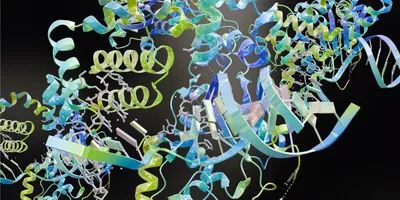
The secondary assassin is Oxidation. High-energy reactive oxygen species (ROS) can attack the nucleobases, particularly guanine, leading to translational errors or stalling. This is often exacerbated by trace metal ions (like magnesium) used in the formulation buffer. [5]
The physical enemy: LNP instability
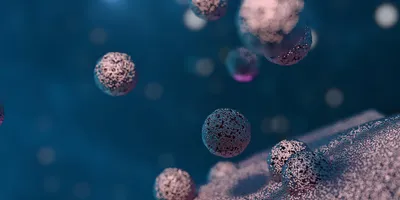
If the cargo is fragile, the truck is unstable. Lipid Nanoparticles (LNPs) are not rigid capsules; they are dynamic, fluid assemblies held together by weak hydrophobic forces. They are, in a sense, "liquid" drugs. [1]
Under stress (thermal fluctuation or physical agitation), LNPs exhibit three fatal behaviors:
Fusion: Particles merge, increasing in size and altering their biodistribution profiles (larger particles get stuck in the lungs rather than the liver or lymph nodes).
Aggregation: Particles clump together, leading to visible particulates that fail regulatory inspection.
Leakage: The mRNA "bleeds" out of the lipid core. Once outside the protective shell, naked mRNA is destroyed by ubiquitous RNases in seconds.
This physical instability is why you cannot shake a vial of Comirnaty. The mechanical shear stress alone is enough to disrupt the delicate lipid equilibrium. [1, 4]
The solution space: Freezing time
How do we stop a clock that is ticking this fast? The industry is currently betting on two major scientific pivots.
1. Lyophilization (The "Just Add Water" Model)
The holy grail is to remove the water entirely. Lyophilization (freeze-drying) turns the liquid LNP suspension into a solid "cake" or powder. Without water, hydrolysis stops. The challenge is that the freezing and drying process is violent; ice crystal formation can pierce the lipid membranes like daggers.
To make this work, formulation scientists are developing advanced "cryoprotectants"—sugar matrices (sucrose or trehalose) that form a glass-like shell around the nanoparticles, freezing them in place without crystallization. Early data suggests lyophilized mRNA-LNPs can remain stable at 4°C or even room temperature for months. [4]
2. Structural Engineering (The "Circular" Defense)
If the ends of the mRNA are the weak points, why not remove them? Circular RNA (circRNA) is a covalently closed loop. Lacking 5' and 3' ends, it is immune to the exonucleases that typically chew up linear mRNA from the outside in. While it doesn't solve hydrolysis, it dramatically extends the half-life of the molecule in vivo, potentially allowing for lower doses that require less stringent preservation. [5]
Conclusion: From surviving to thriving
The first generation of mRNA therapeutics proved the concept, but they barely survived the supply chain. The second generation must thrive in it.
The transition from "frozen liquid" to "stable powder" will be the inflection point for the industry. It will decouple mRNA from the cold chain, allowing these drugs to sit on a pharmacy shelf alongside aspirin and antibiotics. Until we solve the stability equation, mRNA will remain a luxury medicine—powerful, precise, but ultimately tethered to the power grid.
References and further reading
MDPI. (2025). Stability Study of mRNA-Lipid Nanoparticles Exposed to Various Conditions. MDPI Pharmaceutics.
Texas A&M Engineering. (2023). Predicting mRNA degradation to improve vaccine stability. Texas A&M News.
ResearchGate. (2025). Cold Chain Logistics and Stability Solutions for mRNA Vaccines. ResearchGate.
NIH. (2016). Achieving long-term stability of lipid nanoparticles: examining the effect of pH, temperature, and lyophilization. Molecular Therapy.
BOC Sciences. (2024). Improving mRNA Stability: Factors and Strategies. BOC Sciences.