First administered to a human infant in 1921, the Bacillus Calmette–Guérin (BCG) vaccine was developed to protect against tuberculosis. More than a century later, BCG remains the only licensed vaccine against tuberculosis and is now used for a range of conditions, including leprosy and bladder cancer.
Now, researchers are investigating whether the vaccine could also treat neurodegenerative disease. Several retrospective studies have linked BCG treatment for bladder cancer with a lower incidence of dementia, although these findings cannot establish that the vaccine itself is responsible. In a new study, researchers at Johns Hopkins University School of Medicine explored this connection in mice with tauopathy, a group of brain disorders characterized by the abnormal accumulation of tau protein.
The findings, published in Science Advances, suggest that BCG vaccination can reduce tau pathology and markers of prolonged inflammation in the brain. The results offer clues as to how the vaccine might influence brain health and raise the possibility that its effects on the immune system could inform future approaches to treating neurodegenerative disease.
Training the immune system
As far back as 1935, scientists reported that BCG could protect against a range of unrelated diseases. This broad protective effect is thought to involve trained immunity, in which innate immune cells such as monocytes and macrophages undergo lasting changes that alter how they respond to subsequent challenges. Unlike adaptive immunity, which recognizes specific antigens, trained immunity can influence responses to a wider range of threats.
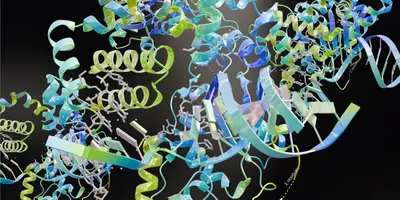
These changes involve epigenetic modifications that affect gene activity, alongside metabolic changes that alter how cells generate and use energy. BCG may be particularly effective at inducing trained immunity because, rather than being cleared quickly, the live vaccine bacteria can persist inside immune cells, exposing them to bacterial components over time.
“BCG is an intracellular pathogen,” William Bishai, Co-Director of the Johns Hopkins Center for Tuberculosis Research and senior author of the study, told DDN. “It goes inside our myeloid cells and lives inside phagosomal vesicles. And while it's doing that, it's releasing various antigens that the myeloid cell experiences.”
In the context of dementia, one possibility is that this altered immune state helps the brain respond to the accumulation of abnormal proteins, such as amyloid-beta and tau. While previous studies have explored BCG in mouse models of amyloid-beta pathology with promising results, this study is the first to investigate the BCG vaccine in mouse models with tau pathology.
A lasting effect on the brain
The researchers vaccinated the mice and assessed their brains several months later. Compared with untreated animals, BCG-vaccinated mice were less likely to show substantial tau pathology and sustained markers of inflammation. They also performed better in memory-related tests, showed fewer signs of brain atrophy, and had improved survival.
We put the BCG in the skin four months prior to examining their brain tissues, and we saw these profound transcriptional effects in the hippocampus of the brain.
—William Bishai, Johns Hopkins Center for Tuberculosis Research
The team additionally examined gene expression in the hippocampus, a brain region important for learning and memory. In untreated mice with tau pathology, 716 genes differed substantially from those in healthy animals, including genes associated with neuroinflammation and cell death. Following BCG vaccination, all but nine of these gene transcripts were normalized.
“We put the BCG in the skin four months prior to examining their brain tissues, and we saw these profound transcriptional effects in the hippocampus of the brain,” Bishai said. “So, it's an effect that is long-lived and can act remotely in the body of these mice at quite a distance.”
However, the researchers have yet to establish the precise mechanism. One potential explanation involves microglia, the brain’s resident immune cells.
“The microglial cells in the brain are sort of the cleaning crew, and they try to keep things tidy for the neurons,” Bishai said. “I think the money is on the microglial cells being stimulated to clear the tau tangles as they're forming, and they do it rapidly without the need for inflammation of the brain.”
Microglia help maintain healthy brain tissue by clearing cellular debris and other unwanted material. However, when persistently overactivated, they can release inflammatory signals that contribute to neuroinflammation and damage surrounding neurons. The team observed that mice with tau pathology had increased microglial activation, while in BCG-treated animals, this activation fell towards levels seen in healthy mice.
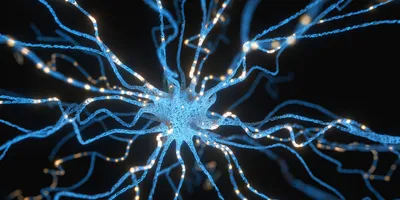
The team is still investigating whether trained immunity could explain the changes in microglia and whether particular epigenetic and metabolic alterations are responsible for the observed effects.
What next?
The team is also modifying BCG itself. They have developed a recombinant version called BCG STING, engineered to overexpress cyclic di-AMP, a molecule that stimulates innate immune signaling. The modified vaccine has already shown improved efficacy as a tuberculosis vaccine, and the researchers now want to test it in their tauopathy model.
“Once we better understand the mechanism, there should be rational ways to make BCG even better at triggering this protective response,” Bishai said.
However, even if further studies establish that BCG can help prevent dementia, making the vaccine widely available could prove challenging. Bishai noted that the US is already experiencing a BCG shortage, leaving some bladder cancer patients unable to complete their intended treatment course.
Developing recombinant versions could provide a solution. Unlike the original BCG vaccine, which is no longer patent-protected, modified versions could offer new intellectual property, giving companies a greater incentive to invest in their development and manufacture.
Before that prospect can become a reality, however, the researchers need to establish how BCG influences immune activity and what drives its apparent effects on tau and amyloid-beta pathology. By investigating changes in immune cells and gene expression after vaccination, they hope to understand how BCG might help the brain manage abnormal protein accumulation without sustaining damaging inflammation. This could ultimately guide the development of improved vaccines or more targeted treatments that harness trained immunity against neurodegenerative disease.