On Demand Webinars

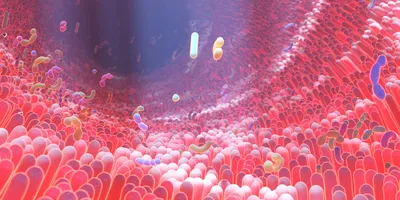
3D illustration of the human gut microbiome showing intestinal bacteria within the digestive tract
Available on Demand
Gain insight into how microbiome research is advancing the understanding of cancer biology and therapeutic outcomes.
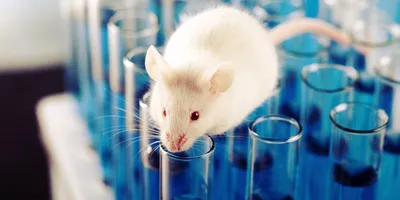
White laboratory mouse on top of test tubes, illustrating a research animal in a controlled setting.
Available on Demand
Learn how evidence-based enrichment strategies can better support laboratory animal welfare by promoting natural behaviors and reducing stress.
3D medical illustration of a human liver with glowing molecular structures and chemical overlays.
Available on Demand
Learn how human-relevant models can be implemented for regulatory drug toxicity assessment.
Abstract 3D illustration of a blue virus particle with a purple DNA double helix inside, representing genetic material within a viral structure.
Available on Demand
Take a closer look at how single-molecule PCR approaches enable characterization of DNA impurity integrity beyond standard quantification in rAAV manufacturing.

Chain of amino acid or biomolecules forming a protein, shown as a 3D illustration of linked molecular structures representing polypeptide chains and biological macromolecules.
Available on Demand
Learn how to detect aggregation early and quantify proteins, peptides, and ADCs fast with combined UV/Vis and DLS in one low-volume, automated workflow.
Close-up image of a tardigrade rendered in vibrant rainbow colors, showing its segmented body and multiple legs
Available on Demand
Discover how new insights into a tardigrade-derived protein are informing new approaches to DNA protection and genome stability.
3D rendered black-and-white illustration of a human DNA double helix.
Available on Demand
Learn how to accelerate nucleic acid quantification while improving accuracy and reducing variability in high-throughput genomic workflows.
3D illustration of DNA and RNA strands with elements representing gene editing and genetic modification.
Available on Demand
Explore how advanced in vitro and in vivo model systems combined with high-throughput CRISPR screening improve translational confidence.
Illustration of a glowing digital globe with interconnected lines and nodes representing a global communication network and worldwide data connectivity.
Available on Demand
Explore how India’s clinical research ecosystem provides scalable solutions to accelerate drug development while maintaining global quality standards.

Illustration of a tumor microenvironment showing cancer cells surrounded by immune cells and extracellular structures, highlighting complex cellular interactions.
Available on Demand
Learn how advances in multiplex immunofluorescence are enabling scalable, high-dimensional spatial biomarker analysis for clinical trials.
Modeling neurotropic viral infections using human cerebral organoids
Available on Demand
Using fetal-stage brain organoids, researchers are uncovering how Zika virus impacts neurodevelopment and contributes to microcephaly. 

Completing the real-time data picture in bioprocess development
Available on Demand
Explore approaches to integrating timely protein titer measurements with cell health data to improve bioprocess visibility and decision-making.

Subscribe to Newsletter

Subscribe to our eNewsletters

Stay connected with all of the latest from Drug Discovery News.

Subscribe

Sponsored

A scientist in protective laboratory attire examines a sample under a microscope, surrounded by digital overlays of DNA strands, molecular structures, scientific symbols, and data graphics.
From automated experiments to AI-powered analysis, connected data, and smarter resource use, digital technologies are reshaping how scientists work — and what the laboratory itself can do.
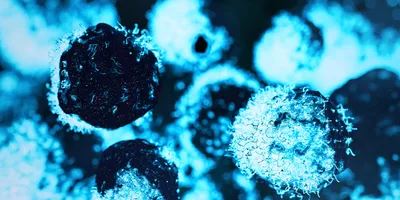
Blue microscopic illustration of spherical cells with textured surfaces against a dark background.
Explore how longitudinal single-cell profiling of whole blood can reveal immune signatures associated with CAR T cell therapy-related neurotoxicity.