More than 130 years ago, New York surgeon William Coley noticed that some cancer patients experienced tumor regression after developing severe bacterial infections. His observations led him to develop Coley’s toxins, a mixture of killed bacteria intended to stimulate the immune system against cancer.
Coley had the right biology and none of the tools. He could see that a bacterial infection sometimes dissolved a sarcoma, but he couldn't tell you which organism, which molecule, which immune cell, or which patient.
—Matthew Cheng, Kanvas Biosciences
However, while he did help hundreds of patients, the approach was controversial and inconsistent. “Coley had the right biology and none of the tools,” Matthew Cheng, cofounder and CEO of Kanvas Biosciences, told DDN. “He could see that a bacterial infection sometimes dissolved a sarcoma, but he couldn't tell you which organism, which molecule, which immune cell, or which patient.”
Today, researchers are revisiting bacterial cancer therapy with a very different toolkit. Advances in microbiome research, spatial biology, synthetic biology, and immunotherapy have transformed bacteria from crude preparations into potential therapeutic platforms designed to target tumors, deliver drugs, and reshape immune responses.
Why bacteria are back
Although bacterial cancer therapies have yet to become widely used in clinical practice, researchers are increasingly exploring how bacteria could complement existing cancer treatments.
One of the most attractive features of bacterial therapies is their ability to exploit the hostile environment inside tumors. Solid tumors often contain regions with low oxygen levels, poor blood supply, and limited immune cell infiltration. These conditions make them difficult for conventional therapies to reach.
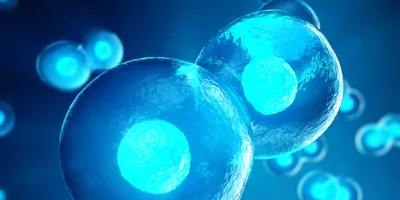
Certain bacteria naturally thrive in these environments. “Obligate and facultative anaerobes selectively expand in hypoxic, necrotic tumor cores — exactly the compartment that is poorly perfused, poorly penetrated by antibodies, and hostile to CAR-T,” said Cheng.
Once these bacteria accumulate within the tumor microenvironment (TME), their presence naturally recruits immune cells, activates antigen-presenting cells, and promotes the release of tumor antigens. This activity can turn an immunologically cold tumor into one that is far more visible to the immune system.
“Bacteria are also multi-mechanistic, acting through three routes that can be combined: direct killing of tumor cells (via secreted toxins, nutrient competition, or bursting infected cells), broad stimulation of the immune system, and delivery of engineered therapeutic genes,” Eddie Moradian, cofounder and CEO of Salspera, told DDN.
That third function is where synthetic biology has begun to expand the possibilities of bacterial cancer therapy. Rather than relying solely on the properties bacteria have evolved naturally, researchers can engineer them to perform specific therapeutic functions within the tumor.
“Bacteria can act as both a targeting system and a drug factory,” Brian Honeyman, a board-certified physician at Marietta Springs, told DDN. He explained that engineered organisms could potentially produce molecules such as cytokines, antibodies, or tumor-associated antigens directly within the TME.
This localized delivery could help overcome one of the biggest challenges in cancer therapy: toxicity. Powerful immune-stimulating molecules such as interleukin-12 can produce strong antitumor effects but are difficult to administer systemically because of severe side effects. Bacteria engineered to deliver immune stimulators directly inside tumors could potentially generate local activity while reducing systemic exposure.
“In short, bacteria combine tumor-selective delivery, access to therapy-resistant tumor regions, intrinsic immune activation that can rescue checkpoint-refractory tumors, and a uniquely large, controllable engineering capacity — a profile that conventional cytotoxic therapies and other immunotherapies don't offer on their own,” explained Moradian.
A combination therapy
These properties make bacterial therapies particularly interesting as potential partners for immune checkpoint inhibitors. Immune checkpoints such as PD-1 (programmed cell death protein 1) and CTLA-4 (cytotoxic T-lymphocyte antigen 4) normally help prevent excessive immune activation, but tumors can exploit these regulatory pathways to suppress antitumor immune responses. Drugs that block these checkpoints can release the brakes on T cells, producing durable responses in many cancers. This approach has transformed treatment for many diseases that were once difficult to treat.
However, checkpoint inhibitors do not work for everyone. Some tumors contain too few infiltrating T cells to begin with, while others create an immunosuppressive TME that prevents immune cells from mounting an effective response. Some cancer types, including many pancreatic tumors, are particularly resistant to checkpoint blockade.
Their greatest value may be as combination platforms that improve drug delivery, reshape the tumor microenvironment, and help existing therapies work in tumors that are currently resistant.
—Mehak Khan, Omniose
Bacteria could potentially help address this problem by creating the inflammatory environment needed for those immune cells to enter and respond. “Their greatest value may be as combination platforms that improve drug delivery, reshape the tumor microenvironment, and help existing therapies work in tumors that are currently resistant,” Mehak Khan, Principal Scientist at Omniose, told DDN.
Bacteria are already showing results
The idea of using microbes as cancer medicines is no longer purely experimental. In 2015, the FDA and European Medicines Agency approved T-VEC (Imlygic), an engineered oncolytic virus for the treatment of melanoma. Although viruses and bacteria differ substantially in their biology, the approval helped demonstrate that living, genetically modified organisms could be developed into cancer therapeutics and contributed to renewed interest in microbial approaches to oncology.
Bacillus Calmette-Guérin (BCG), a live bacterial preparation, has been used as a standard treatment for non-muscle-invasive bladder cancer since the 1970s, providing an established clinical example of bacteria being harnessed against cancer. More recently, engineered bacterial platforms have entered clinical trials, including Johnson & Johnson’s attenuated strains of Listeria monocytogenes designed to deliver tumor-associated antigens in patients with advanced non-small cell lung cancer.
Other approaches are testing whether bacteria can enhance existing cancer treatments. Salspera, for example, is investigating Saltikva, an orally administered Salmonella strain engineered to deliver interleukin-2, in combination with chemotherapy for metastatic pancreatic cancer. Phase 2 trial results from 2026 showed that patients receiving the combination had a median overall survival of 20.3 months, compared with 11.1 months in a historical comparison, while median progression-free survival increased from 5.5 to 15 months. Additionally, Salspera reported that no serious adverse events were attributed to Saltikva, and approximately 80 percent of patients experienced no new metastases.
New strains in nature
Researchers are also looking to nature for bacterial strains that may possess their own anticancer properties. In 2025, Eijiro Miyako, Professor at the Japan Advanced Institute of Science and Technology, identified a bacterium from the gut of Japanese tree frogs that eradicated colorectal tumors in mice after a single intravenous dose.
Miyako's team isolated 45 bacterial strains from Japanese tree frogs, Japanese fire-bellied newts, and Japanese grass lizards. Nine demonstrated antitumor activity, with one bacterium — Ewingella americana — showing particularly promising effects. In a mouse model of colorectal cancer, a single intravenous administration of E. americana eliminated detectable tumors in the treated animals.
Additionally, E. americana was shown to preferentially accumulate within the tumor tissue, with no detectable colonization of normal organs including the liver, spleen, lungs, kidneys, or heart. The bacterium was then rapidly cleared from the bloodstream, with a half-life of approximately 1.2 hours and no detectable bacteria remaining after 24 hours.
Miyako believes the findings highlight the potential of exploring biodiversity as a source of future medicines. “Most microbiome research has focused on humans and conventional laboratory animals, leaving the microbial diversity of amphibians and reptiles largely unexplored,” he told DDN. Exploring less-studied microbial ecosystems could reveal therapeutic bacteria with mechanisms unlike those already identified.
The bacterium appeared to work through a combination of direct cytotoxicity toward cancer cells and activation of antitumor immune responses. Despite these promising findings, Miyako emphasized that several hurdles remain before the approach can be tested in patients. Comprehensive safety studies will be needed to establish whether the bacterium remains safe under clinical conditions, while a deeper understanding of how it kills cancer cells and interacts with the immune system will be essential for optimizing the therapy.
The challenge is control
Bacteria are living systems. That means that unlike a small molecule or antibody, bacteria can grow, change, spread, and interact with the immune system after administration. Researchers must understand where bacteria travel, how long they persist, how much therapeutic material they produce, and how they can be eliminated if necessary.
The biggest barrier to this approach is control.
—Brian Honeyman, Marietta Springs
“The biggest barrier to this approach is control,” Honeyman said. For bacterial therapies to advance, researchers will need reliable ways to measure bacterial distribution, persistence, and biological activity.
Manufacturing also presents challenges. Companies must demonstrate that engineered bacteria remain genetically stable, maintain consistent potency, and meet regulatory requirements for live microbial products.
Khan emphasized that clinical translation will require better biomarkers to identify which patients are most likely to benefit. “We need to make early trials mechanistically informative,” she said. “A negative trial should tell you whether the bacteria failed to arrive or arrived and failed to work.”
Turning bacteria into medicines
Bacteria are already beginning to prove that they can enhance immunotherapy responses, deliver therapeutic molecules, and, in some cases, kill cancer cells themselves. However, scientific enthusiasm must be matched with careful development.
“The scientific concept is compelling, but enthusiasm should not outpace the evidence,” Khan said.
The next phase of bacteria-fighting cancer will depend on whether these living systems can be manufactured consistently, directed to the right place, monitored in the body, and controlled when necessary.
As Cheng put it, “The biology has been validated for a century. The engineering and the measurement are the work.”