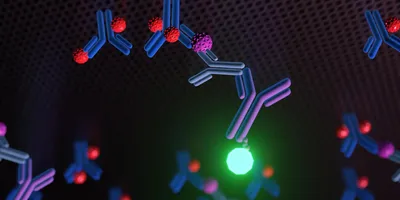
A research team in China has developed an ultrasound-responsive nanomaterial that can capture tumor antigens within the tumor microenvironment, addressing one of the central challenges in cancer immunotherapy: how to generate patient-specific immune responses in the face of extreme tumor heterogeneity.
The study, published in CCS Chemistry, describes sono-switch nanocatchers (S-nanocatchers), nanoparticles designed to remain inert during circulation but trigger in the tumor microenvironment when exposed to ultrasound. Once activated, the system captures antigens released from dying cancer cells and promotes a localized immune response that can extend systemically.
Tumor vaccines have long struggled with variability. Antigens can differ substantially between patients and even between lesions in the same individual, limiting the effectiveness of standardized vaccine approaches. In situ tumor vaccines — strategies that use antigens released directly from tumors rather than preselected targets — offer a way around this problem. However, existing methods to liberate tumor antigens, such as phototherapy or radiotherapy, are constrained by shallow tissue penetration or collateral damage to healthy tissue.
Ultrasound has emerged as an attractive alternative. It penetrates deeply, is already used clinically, and is generally well tolerated. Yet ultrasound alone does not solve the problem of antigen instability or inefficient uptake by antigen-presenting cells, both of which blunt immune activation. To address these limitations, researchers designed a nanoparticle that combines controlled antigen release with on-demand antigen capture.
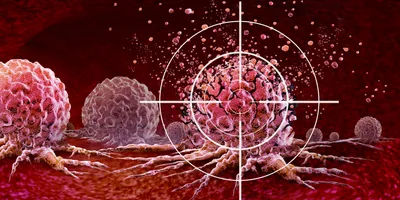
How ultrasound triggers on-demand antigen capture
The S-nanocatchers are built on a polyglutamic acid backbone and incorporate two key components: a thioether-containing antigen-catching group and a sonosensitive agent known as pyropheophorbide a. In their assembled state, these hydrophobic elements are buried within the nanoparticle core, minimizing nonspecific binding to serum proteins during circulation — a common failure point for earlier antigen-capturing nanocarriers.
When ultrasound is applied at the tumor site, the sonosensitive agent generates reactive oxygen species. These species play a dual role. First, they induce immunogenic cell death in tumor cells, releasing a diverse pool of endogenous antigens. Second, they oxidize the thioether groups within the nanoparticle, converting them into more hydrophilic forms. This chemical switch causes the antigen-catching groups to become exposed on the nanoparticle surface, enabling rapid binding of thiol-containing molecules, peptides, and tumor-derived antigens precisely where they are released.
Control nanoparticles lacking the thioether group showed no meaningful antigen capture, with or without ultrasound, confirming that the system’s activity depends on this oxidation-driven switch. In preclinical studies, the activated nanocatchers enhanced dendritic cell maturation and migration, a critical step for initiating adaptive immune responses.
The researchers further boosted efficacy by combining the nanocatchers with IMDQ, a toll-like receptor 7/8 agonist that acts as an immune adjuvant. In a melanoma mouse model, the combination therapy achieved a 93 percent inhibition rate of primary tumors. More strikingly, 60 percent of treated animals showed complete regression of untreated distant tumors, indicating a systemic immune response rather than a purely local effect. No significant systemic toxicity was observed.
Mechanistic analyses showed increased infiltration of CD8-positive T cells into tumors, along with elevated levels of pro-inflammatory cytokines such as interferon-gamma and tumor necrosis factor-alpha. Together, these changes suggest that the treatment reshapes the tumor immune microenvironment in favor of durable antitumor immunity. Researchers in China have developed ultrasound-responsive “nanocatchers” that activate only inside tumors, capturing patient-specific antigens as they’re released. The approach sidesteps tumor heterogeneity by turning tumors themselves into personalized vaccine sources — using ultrasound as a deep-penetrating, clinically familiar trigger.