organoid
| 6 min read
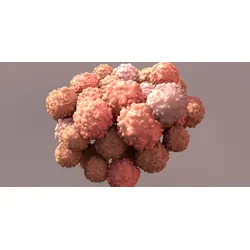
As 3D cell models advance toward mainstream use, the field must learn to work with biological variability rather than against it.
| 4 min read
Cell atlases have mapped human biology in unprecedented detail. The harder question for drug discovery is which of those cellular states should change what a program does next.

| 3 min read
The novel stem-cell derived retinal organoid provided a new understanding of the disease by showing that damage to retinal pigment epithelium cells is enough to cause neurodegeneration of photoreceptors.
| 5 min read
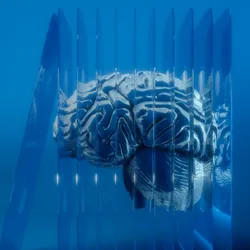
Rodrigo Cristofoletti discusses how cerebral organoids, advanced imaging, and quantitative modeling are helping researchers better understand brain development, disease, and drug discovery.
Available on Demand
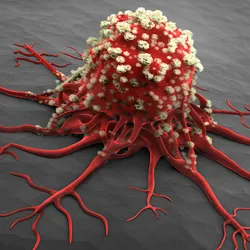
Learn how patient-derived tumor organoids, AI, and phenotypic screening are advancing the discovery of small molecule therapeutics.
| 4 min read
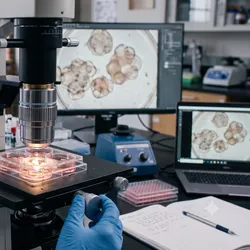
Organoids and spheroids are closing the translational distance between preclinical testing and clinical reality.

| 3 min read
Dehydrodolichyl diphosphate synthase (DHDSS)-related disease has no available treatments. The new work could finally change that with nicotinamide mononucleotide (NMN).

| 4 min read
As drug discovery adopts more human-relevant models and complex biologics, it’s increasingly important that reagents are more consistent, better characterized, and fit for purpose.
| 3 min read
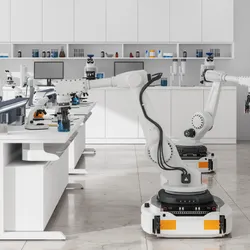
This year’s New Product Award winners reflect growing demand for tools that improve throughput, reproducibility, and hands-free operation in the lab.

| 5 min read
After decades of slow progress, advances in molecular profiling and organoid technology are creating new pathways for non-invasive diagnosis and targeted treatment of endometriosis.