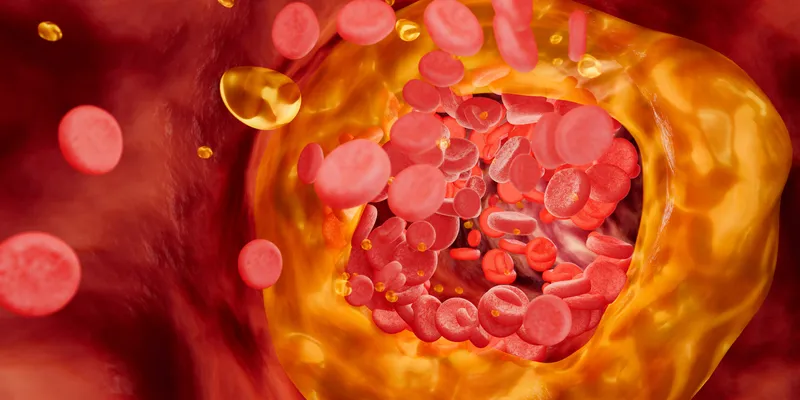
Elevated low-density lipoprotein (LDL) cholesterol and high triglycerides each affect about one in four adults worldwide. But a new CRISPR-Cas9 therapy may reduce the risk of major heart events caused by cholesterol and triglycerides.
LDL and triglycerides are risk factors for plaque buildup in heart disease. On Saturday morning, a team of researchers from Cleveland Clinic, CRISPR Therapeutics, Victorian Heart Institute, New Zealand Clinical Research, and Royal Adelaide Hospital published results in the New England Journal of Medicine from a 15-person Phase 1 trial of CTX310, which cut levels of both by about half.
Roughly 100 million people in the US take statins to temper the risks of cardiovascular disease. But we appear to be entering a new era of cardiovascular treatment, according to Christie Ballantyne, Chief of Cardiology and Cardiovascular Research at Baylor College of Medicine who was not involved in the trial, who spoke at last week's conference of the American Heart Association. “In the last decade things have been picking up,” he said. “And what's happened is the use of genetics and genomics identified targets.”
Editing out the gene
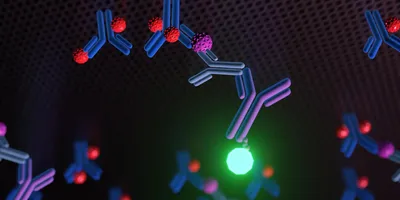
CTX310 targets a liver protein called angiopoietin-like protein 3 (ANGPTL3) that prevents enzymes from breaking down the particles that carry fats through the bloodstream. Blocking ANGPTL3 therefore reduces circulating lipids. In 2012, researchers in Italy discovered a cluster of abnormally low lipids in people living in the small town Campodiele: a loss-of-function mutation of the ANGPTL3 gene. Drugs have since targeted this pathway to treat people with homozygous familial hypercholesterolemia (HoFH), a rare genetic condition that causes dangerously high levels of LDL cholesterol from birth. Inhibiting ANTGPTL3 with drugs like the monoclonal antibody evinacumab, for example, helps the body clear cholesterol with monthly IV infusions.
The researchers behind CTX310 envision a different approach: a gene therapy that edits out the genetic factor. "A one-time therapy,” said Luke Laffin, a preventive cardiologist at the Cleveland Clinic who led the study. Their team recruited a mix of patients from Australia, New Zealand, and the UK with either HoFH, severe hypertriglyceridemia (sHTG), heterozygous familial hypercholesterolemia (HeFH), or mixed dyslipidemias (MDL). Participants received a one-time infusion of lipid nanoparticles carrying RNA molecules designed to edit the ANGPTL3 gene.
“We did not have any idea how much LDL-C and [triglycerides] would decrease,” Laffin told DDN. The gene therapy appeared effective within two weeks, dropping both levels by an average of about 50 percent in the highest dose. The result is "unprecedented," according to Laffin, as no other therapy has ever reduced both LDL and triglycerides so much simultaneously.
“I really would expect the effects of the gene editing to be durable for the long term. Many years, decades — quite possibly a lifetime,” said Kiran Musunuru, a University of Pennsylvania cardiologist not involved in the trial.
Musunuru called the early results “a slam dunk,” but noted that this month, one patient in another trial (Intellia Therapeutics’ nanoparticle-CRISPR treatment) died of liver damage. CTX310 targets a different illness, and there is no concrete reason to expect the same to happen in future trials. One participant in the CTX310 trial died 179 days after infusion, but an independent investigator concluded that the death was unrelated to the drug.
Laffin's team claimed no major adverse safety issues through 60 days of follow-up: Three participants reported uncomfortable reactions to the infusion, like back pain and nausea. Still, the uncertainty of new gene therapies demands large experimental trials. "The Phase 3 clinical trial will probably need to enroll probably thousands of subjects to really be sure about efficacy and, most importantly, safety," Musunuru said. "Hopefully this therapy will turn out to be pristine. Time will tell." The team is planning to start Phase 2 studies by early 2026 with a focus on long term outcomes and more patients.
Lipid disorders exist in a wide spectrum comprising cholesterol and triglycerides, genetic factors and not. For such a small study, the diverse mix of heart conditions included stood out to Daniel Gaudet, professor of medicine at University of Montreal who was not involved in the trial. "It's unusual to do this in one single trial, but it turned out to be instructive,” he said. Gaudet hopes that future trials will compare CTX310 head-to-head against other treatment options like monoclonal antibodies.
From managing symptoms to editing risk itself
The tricky reality of treating heart disease is that patients don’t all adhere to the same therapies as one another. A large share of people who take statins for these conditions tend to stop taking them after a while because of the cost and side effects like pain. "The more options the better," Musunru said, noting that several other cardiovascular genetic therapies are in development. "I think it'll be a valid first line."
If CTX310 earns regulatory approval, physicians may prioritize gene therapy for people without alternatives. But with long-term safety data, Laffin hopes ANGPTL3 editing will become an early option for people with perilous family histories of heart attacks. "When we see patients in the clinic we can tell them to stop smoking, lose weight, those are modifiable risk factors. But we still say we can't change your parents. We can't change your genes," Laffin said. "We may be entering an era where that's no longer the case."