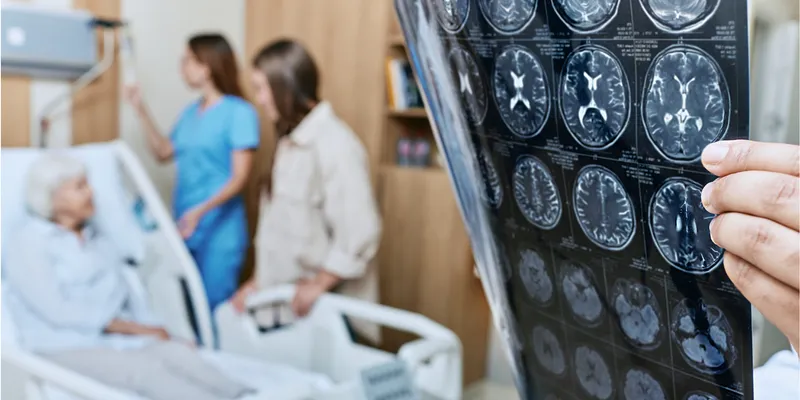
Stroke is a leading cause of long-term disability worldwide, leaving many survivors with persistent impairments despite advances in acute treatment and rehabilitation. A key determinant of post-stroke recovery is the brain’s ability to reorganize its structure and function following injury, known as neuroplasticity. This process involves a complex network of interacting mechanisms, including changes in synaptic connections, neural circuitry, blood vessel formation, and inflammation. However, harnessing these separate mechanisms is extremely difficult.
Neuro-Innovators is taking a multi-pathway approach to that challenge. Rather than searching for a single new molecule, the company is combining existing FDA-approved drugs in an effort to influence multiple biological pathways involved in brain recovery.
The company’s lead program, NIV-001, combines telmisartan, metformin, and cilostazol — three drugs with established clinical histories but different biological activities — and is now being evaluated in an investigator-initiated clinical study at Mass General Brigham’s Spaulding Rehabilitation Hospital. The trial is testing whether the combination, when paired with intensive robot-assisted rehabilitation, can improve motor recovery in people living with chronic stroke-related disability.
“When you look at neuro drugs, the paucity of successful new single molecules is really mind-numbing. Think about the heart, lungs, liver or kidneys — these organs have a fairly fixed operational set, so a narrow, well-targeted mechanism of action can have quite an impact,” Howison Schroeder, CEO of Neuro-Innovators, told DDN. “The brain is much more complex and highly adaptive. You need to come up with something that is going to manage the system rather than simply treat a symptom.”
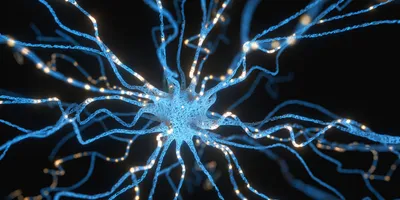
Moving beyond single-target approaches
Neuro-Innovators evaluated approximately 2,000 compounds with potential neuroplastic effects, including nutraceuticals, psychedelics, and FDA-approved drugs, eventually identifying around 160 candidates.
From this group, the team looked for combinations that could influence multiple aspects of recovery while maintaining an established safety profile. “We optimized both the variety of mechanisms of plasticity, the variety of mechanisms of action within each of those mechanisms of plasticity, and then safety,” Schroeder said.
NIV-001 was designed to affect several biological processes associated with recovery, including inflammation, neurogenesis, angiogenesis, and bioenergetics. Each of the three drugs has shown effects in preclinical or clinical research that could be relevant to neurological recovery. For example, metformin, best known for treating type 2 diabetes, has been shown to promote neurogenesis, reduce neuroinflammation, and support angiogenesis in preclinical studies.
Telmisartan, a well-established antihypertensive drug, has also attracted interest for its effects beyond blood pressure control. The drug can regulate inflammation, oxidative stress, and cellular metabolism within the brain. Additionally, preclinical studies have shown that it can inhibit astrocyte and microglia activation and promote a shift from pro-inflammatory M1 microglia toward the more reparative M2 state, mitigating neuroinflammation and neuronal damage.
Cilostazol is already commonly used for stroke prevention in several Asia-Pacific countries, as an antiplatelet agent. However, preclinical research has also suggested that cilostazol may influence processes relevant to neural repair, including myelin maintenance, and communication between astrocytes and neurons.
In combination, these drugs could provide a way to influence several processes implicated in recovery rather than addressing any single mechanism in isolation. Now, the company needs to test whether those complementary effects can translate into greater functional recovery when the drugs are combined.
Pairing pharmacology with rehabilitation
A key concept underpinning the design of the clinical study is that patients will receive both NIV-001 and intensive robot-assisted upper-extremity rehabilitation. “The heavy hitter is that neurons that fire together, wire together,” Schroeder said. “It is key that [the patients] be doing something with their brain while it’s in this particularly responsive neurobiological state.”
Paolo Bonato, Director of the Motion Analysis Laboratory at Spaulding Rehabilitation Hospital, said the combination of pharmacotherapy and high-intensity rehabilitation was one of the reasons his team was interested in evaluating the approach.
“In the chronic stage, we do see improvements in motor function in response to high-intensity, high-dose interventions, and robotics is a good way to deliver that type of intervention. But the gains are still modest,” Bonato said. “The hope is that by combining pharmacotherapy with high-intensity interventions, we would significantly increase the motor gains that we’re achieving right now.”
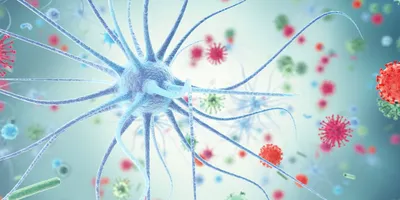
The current study is designed as an exploratory investigation, enrolling up to 50 participants and using the Fugl-Meyer Assessment as its primary endpoint. Schroeder said that the team will also collect biological measurements from patients before, during, and after treatment to explore whether specific biomarkers correlate with response.
“If we can calibrate changes in blood markers to positive or negative outcomes, we have an opportunity to identify phenotypes that are particularly responsive to the therapy,” he said.
Building a broader platform
Although stroke is the company’s first clinical focus, Neuro-Innovators views NIV-001 as an initial test of a broader drug-combination strategy.
Stroke provides a relatively well-defined starting point because it is an injury with measurable functional outcomes. Other neurological conditions, including Alzheimer’s disease and multiple sclerosis, present additional challenges because disease progression and biological markers are more complex.
“We’ll also be looking at this sort of indication-wise,” Schroeder said. “Stroke is an injury. Alzheimer’s or MS are neurodegenerative diseases. Can we come up with other ways to alter their outcomes?”
The company is continuing to explore the approximately 160 compounds identified through its initial literature review, with the aim of finding combinations tailored to different neurological conditions.
For now, however, the focus is on whether influencing multiple biological pathways simultaneously can make the brain more responsive to rehabilitation. The answer could determine whether NIV-001 becomes a one-off approach to stroke recovery or the first example of a broader strategy for using combinatorial approaches to promote neurological repair.