In December 2025, Citius Oncology announced the commercial launch of LYMPHIR (denileukin diftitox-cxdl), marking the first FDA-approved systemic therapy for relapsed or refractory stage I–III cutaneous T-cell lymphoma (CTCL) in more than seven years.
CTCL is a rare form of non-Hodgkin lymphoma that primarily affects the skin. Malignant T cells infiltrate the skin, leading to lesions, severe pruritus (itching), and, in some cases, disfiguring disease that profoundly impacts patients’ quality of life. Disease management often requires patients to cycle through multiple systemic therapies, none of which are curative at advanced stages.
The most recent systemic therapy approved for CTCL prior to LYMPHIR was mogamulizumab-kpkc, a humanized anti-CCR4 (CC chemokine receptor type 4) monoclonal antibody, which received FDA approval in 2018 for adult patients with relapsed or refractory CTCL after at least one prior systemic therapy. While mogamulizumab represented an important advance, its use has been associated with substantial toxicity, including dermatologic reactions, infusion-related reactions, infections, and immune-related adverse events, including myocarditis and myositis.
The lack of additional systemic approvals since 2018 highlights the broader difficulty of translating promising biology into effective therapies for CTCL. Leonard Mazur, Chairman and CEO of Citius Oncology and Citius Pharmaceuticals, told DDN, “The rarity and complexity of CTCL have historically posed significant challenges for drug development. It is a heterogeneous disease with variable clinical presentations and progression, making trial design particularly difficult and costly.”

Dual mechanism drives tumor cell death and immune modulation
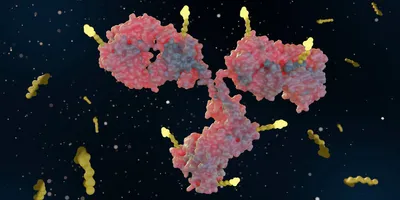
LYMPHIR is a recombinant fusion protein that combines the binding domain of IL-2 (interleukin-2) with fragments of diphtheria toxin. By binding IL-2 receptors (IL-2R) expressed on malignant T cells in CTCL, LYMPHIR delivers a cytotoxic agent directly into tumor cells, where it inhibits protein synthesis and induces cell death. In parallel, LYMPHIR transiently depletes regulatory T cells (Tregs), modulating the tumor microenvironment and restoring immune surveillance.
“Tregs are known to suppress the immune system’s ability to fight tumors. By depleting them temporarily, LYMPHIR may prime the immune system for better response to checkpoint blockade,” said Mazur. Unlike traditional chemotherapies that damage both healthy and cancerous cells, LYMPHIR selectively targets IL-2R-positive cells, minimizing cumulative toxicity and enabling sustained therapy.
The FDA approval of LYMPHIR was supported by results from a Phase 3 trial, which enrolled patients with stage I–III CTCL who had received at least one prior systemic therapy. In this trial, LYMPHIR demonstrated an objective response rate of 36 percent, with 84 percent of evaluable patients experiencing a reduction in skin tumor burden. Beyond tumor response, LYMPHIR also improved pruritus, a major contributor to patient discomfort and diminished quality of life.
“The median time to response was 1.41 months, and over half of responders had a duration of response lasting at least six months. Importantly, these benefits were achieved without cumulative toxicity, allowing for longer-term disease management without compromising patient safety,” Mazur noted.
Rethinking immunotoxins
The broader significance of LYMPHIR lies in its status as a re-engineered immunotoxin derived from denileukin diftitox, a CD25-directed anti-cancer agent originally developed by Eisai and marketed as Ontak. In 1999, Ontak was the first FDA-approved recombinant immunotoxin — engineered proteins that combine a cytotoxic agent with a targeting component, such as an antibody or growth factor, to selectively bind and destroy tumor cells. However, Ontak was discontinued in the US in 2014 due to manufacturing challenges related to its bacterial expression system and difficulties achieving consistent purification.
LYMPHIR demonstrates how thoughtful engineering can overcome the challenges of immunotoxins. By optimizing the fusion protein for more specific IL-2 receptor binding LYMPHIR has shown manageable toxicity, including low immunogenicity, while retaining potent activity.
- Leonard Mazur, Citius Oncology
Historically, clinical translation of immunotoxins has faced multiple challenges including off-target toxicity, immunogenicity, insufficient tumor penetration, and manufacturing constraints. Because of this, there are currently only three immunotoxins approved for clinical use in the US and Europe — denileukin diftitox, moxetumomab pasudotox, and tagraxofusp. Despite these hurdles, advances in protein engineering, genetic optimization, and an improved understanding of tumor biology have enabled the design of more selective and effective immunotoxins.
Citius Oncology redesigned and refined denileukin diftitox to produce a purified, more bioactive formulation, resulting in LYMPHIR. Improvements in formulation, purity, and manufacturing consistency enabled the agent to be re-evaluated clinically, ultimately supporting FDA approval. Mazur said, “LYMPHIR demonstrates how thoughtful engineering can overcome the challenges of immunotoxins. By optimizing the fusion protein for more specific IL-2 receptor binding LYMPHIR has shown manageable toxicity, including low immunogenicity, while retaining potent activity. Its approval, supported by robust clinical data, reflects both the maturation of immunotoxin technology and our ability to refine a previously approved agent.”

A platform approach
Beyond its approved use in CTCL, LYMPHIR is being explored as a platform immunotherapy in other cancers. Its ability to transiently deplete Tregs, which normally suppress anti-tumor immune responses, provides a rationale for combination strategies designed to amplify immune-mediated tumor control. By briefly lifting this immunosuppressive brake, LYMPHIR may enhance the activity of checkpoint inhibitors, adoptive cell therapies, and other immune-based treatments without adding cumulative toxicity.
Early clinical studies are already testing this hypothesis. At the University of Pittsburgh, LYMPHIR is being evaluated with pembrolizumab, a checkpoint inhibitor, in patients with recurrent or metastatic solid tumors. Preliminary results show a 27 percent objective response rate, 33 percent clinical benefit rate, and a median progression-free survival of 57 weeks among responders. Mazur said, “This chemotherapy-free regimen was well tolerated, even at the highest LYMPHIR dose, and showed activity in patients previously treated with anti-PD-1 therapy. We believe these findings support a potential Phase 2 expansion and signal opportunities for LYMPHIR in earlier-line or combination settings across tumor types.”
Separately, the University of Minnesota is assessing LYMPHIR as a preconditioning agent prior to CAR T-cell therapy in patients with high-risk relapsed or refractory B-cell lymphomas. Here, selective Treg depletion could improve T-cell expansion, persistence, and anti-tumor efficacy. Across these studies, LYMPHIR is being evaluated not just as a monotherapy, but as a modular agent capable of enhancing other immunotherapies.
As the first new systemic therapy for CTCL in over seven years, LYMPHIR not only delivers rapid and meaningful clinical responses but also exemplifies how modern protein engineering and clinical innovation can overcome historical challenges of immunotoxins. Its unique mechanism positions LYMPHIR as more than a single-agent therapy; it represents a versatile platform for next-generation oncology strategies, capable of addressing a wide spectrum of cancers.