rare diseases

| 5 min read
Protein interaction network mapping could sharpen rare disease target selection, if it survives translation from research to active drug programs
| 6 min read
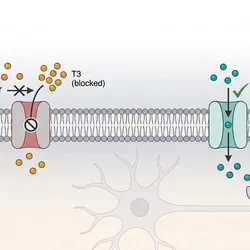
Six studies backed tiratricol's FDA approval for peripheral thyrotoxicosis in MCT8 deficiency, an ultra-rare pediatric thyroid transport disorder
| 5 min read
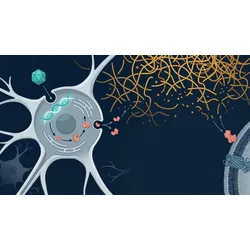
Transpher A data show a 23.5-point cognitive advantage over natural history, supporting the first-ever FDA approval for pediatric patients with MPS IIIA

| 2 min read
The collaboration combines VRG’s AI platform with AOP Health’s expertise in rare diseases and immunology to develop a highly selective therapeutic targeting Kv1.3-mediated immune dysfunction.

| 4 min read
Real-time clinical trials, pharma deals, cancer found to be rising in young people, and more led the news this week.
| 3 min read
When science, manufacturing, and regulatory alignment move together, breakthroughs reach patients faster than ever before.

| 4 min read
Vaccination guidances, promising trial outcomes, funding bills and more led the news this week.

| 4 min read
LYMPHIR delivers targeted therapy for a rare and incurable form of skin lymphoma while opening doors for broader immuno-oncology applications.

| 4 min read
Radiprodil is in development as the first therapy designed to directly address the underlying biology of GRIN-related neurodevelopmental disorder.

| 3 min read
People with erythropoietic protoporphyria (EPP) must go to great lengths to avoid sun exposure. There have been no approved treatments that address the disease mechanism, but a new drug could change that.