When researchers sequence DNA from a tumor or blood sample, they typically focus on the patient's genetic material. Sequences that do not map to the human genome are often filtered out, but researchers are increasingly recognizing that these unmapped sequences actually contain a wealth of valuable information.
A growing body of evidence has linked certain bacteria to cancer, with some microbes implicated in cancer development and others associated with disease progression. Now, researchers at the University of East Anglia (UEA) have investigated whether this overlooked DNA could help uncover previously uncharacterized bacterial species in patients with prostate cancer.
Earlier research had associated a group of anaerobic bacteria with aggressive prostate cancer, but the specific species involved and their potential roles in the disease remained unclear. To investigate these bacteria further, the team screened 2,176 sequencing datasets and selected 247 samples from 194 patients for further analysis, based on evidence of bacteria from this previously identified group.
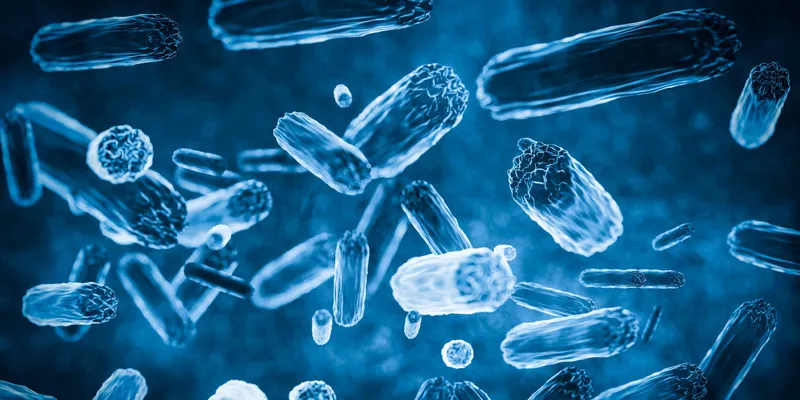
Using metagenomic assembly, the team identified 18 previously unknown bacterial species. Most of the bacteria were associated with the mouth, including new species of Porphyromonas and Treponema. The findings, published in npj Biofilms and Microbiomes, provide new genomic information that researchers can use to investigate the relationship between oral bacteria and prostate cancer.

“Every one of these organisms was hiding in plain sight,” said Abraham Gihawi, a researcher at UEA's Norwich Medical School and first author of the study, in the press release. “The data had already been generated, paid for and analysed for a completely different purpose, and the bacterial sequences were sitting in the part everyone throws away.”
The oral-prostate connection
The mouth may seem an unlikely place to look for clues about prostate cancer, but researchers are increasingly investigating whether microbes in one part of the body can influence disease elsewhere. The oral cavity contains diverse bacterial communities, some of which can enter the bloodstream or reach other tissues. However, how these organisms might relate to prostate cancer remains poorly understood.
“We reported in 2022 that men carrying a set of anaerobic bacteria, several of them from the oral cavity, were more than twice as likely to see their cancer progress,” Daniel Brewer, a researcher at UEA's Norwich Medical School and senior author of the study, said in the press release. “In bowel cancer, that kind of observation has already been followed through to the point where an oral bacterium is treated as a target. Prostate cancer is some way behind, and the reason is practical rather than scientific, the organisms involved had never been properly characterized.”
Importantly, the new study does not establish that the newly identified bacteria are present in prostate tumours or that they cause cancer progression. Instead, it gives researchers a more detailed genetic picture of these organisms, allowing them to move beyond identifying broad bacterial groups and begin investigating individual species.
From genome sequences to biological leads
The most frequently recovered group in the study was Porphyromonas, a genus that includes Porphyromonas gingivalis, the principal bacterium associated with gum disease. Other research has detected P. gingivalis in both dental plaque and prostate fluid from the same patients.
Understanding this potential relationship has been difficult because many of the bacteria implicated in previous studies have never been grown in the laboratory. Without reference genomes or tests that can distinguish individual species, researchers have struggled to investigate their biological effects.
By reconstructing the genomes from existing samples, the researchers have now established a foundation for predicting the conditions needed to grow these organisms in culture and developing species-specific assays.
“A biomarker is only useful if you can measure it, and you cannot measure an organism that has no genome and no test,” Brewer said.
These tools could help researchers isolate the bacteria, examine their genes, and investigate whether they influence tumor development or progression. If particular species prove to contribute to aggressive disease, they could potentially become targets for interventions or help identify patients at greater risk.

However, the researchers emphasized that the study establishes the presence of bacterial DNA in the samples, not a causal relationship between the organisms and prostate cancer. “We are not claiming these bacteria cause prostate cancer,” said Colin Cooper, an oncologist at UEA's Norwich Medical School and co-leader of the Pan Prostate Cancer Group (PPCG), in the press release. “We have found them, named them and built the tools to study them, which is the step that has to come before anyone can answer the causal question properly.”
One part of a wider collaboration
The study is the first in a series of 10 papers expected from the PPCG dataset, which contains molecular data from more than 2,000 prostate cancers across nine countries. The collaboration aims to help researchers understand why the disease behaves differently between patients.
“Today, this consortium publication has revealed an entirely new avenue for research, identifying bacteria associated with prostate cancer that could, in the future, be used to detect or to treat cancer,” said Rosalind Eeles, oncogenetist at The Institute of Cancer Research and co-founder of the PPCG, in the press release.
The next step is to determine whether any of the newly identified species influence prostate cancer and, if so, how. For now, the study provides researchers with new bacterial genomes to investigate and demonstrates how existing sequencing data can yield additional insights into the disease.