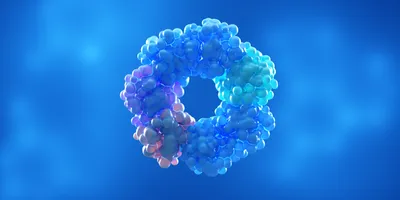
In deal worth up to $1.1B, Genentech partners with Caris Life Sciences
AI-focused Caris Life Sciences announced that their therapeutic research arm, Caris Discovery, has entered into a collaboration and license agreement with Genentech that will focus on the identification of novel targets for solid tumors. The press release states that the work will harness Caris’ bioinformatics and wet-lab workflow with multimodal data, including access to a repository of over 500,000 solid tumor samples. Caris is eligible to receive up to $25 million in upfront and near-term payments, with up to $1.1 billion forthcoming in potential milestone payments and tiered royalties. “By combining Caris' unparalleled multimodal data and tissue-based discovery engine with Genentech's deep expertise in therapeutics development, we hope to enable the development of first-in-class medicines for cancer patients," said Milan Radovich, Senior Vice President and Chief Scientific Officer at Caris. – Allison Whitten
Sanofi invests in Alzheimer’s and autoimmune therapies following trial disappointment
After disappointing results from its multiple sclerosis trial, Sanofi is doubling down on innovation with two major deals announced on the same day. The French pharma giant will invest $1.04 billion in a partnership with South Korean biotech ADEL to develop its experimental Alzheimer’s disease therapy ADEL-Y01, a first-in-class antibody targeting toxic tau protein that has shown preclinical success in blocking disease progression and improving neuronal viability in mice. Sanofi also signed a $1.7 billion agreement with private biotech Dren Bio to advance next-generation autoimmune therapies using its Targeted Myeloid Engager and Phagocytosis platform, a bispecific antibody technology designed to selectively activate myeloid cells only in the presence of disease targets, potentially offering higher safety and efficacy than other antibody modalities. Together, the deals highlight Sanofi’s strategy to offset recent setbacks by investing heavily in innovative therapies across neurodegenerative and autoimmune diseases. – Bree Foster
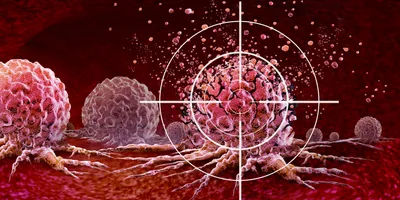
Kyverna closer to first FDA-approved CAR T cell therapy for stiff person syndrome
On Monday, Kyverna Therapeutics announced positive results from their Phase 2 trial testing miv-cel, a CAR T-cell therapy aimed at treating stiff person syndrome (SPS). The condition is a rare autoimmune disease that causes muscle stiffness and painful uncontrollable spasms that has had no approved treatments thus far. In the trial, 26 patients received one dose of miv-cel and all showed significant improvement in the primary endpoint of mobility, as measured by the 25-foot walk. Of the 12 patients who needed a walking-aid device, 67 percent no longer needed assistance to walk after treatment. In addition, all patients also remained off of immunotherapies, and the medication was well tolerated. “Miv-cel’s ability to significantly improve mobility and reduce stiffness is both remarkable and unprecedented, bringing hope to patients and their families who deserve better treatment options,” said Amanda Piquet, Director of Autoimmune Neurology at the University of Colorado Anshutz School of Medicine and lead investigator of the trial, in the news release. – Allison Whitten
DBV’s peanut allergy patch clears Phase 3 hurdle in children after extended FDA reset
DBV Technologies reported positive topline results from its Phase 3 VITESSE trial of the Viaskin Peanut patch in peanut-allergic children aged 4 to 7 years, advancing a program that has faced a prolonged and closely watched regulatory path with the FDA. The study met its primary endpoint, with 46.6 percent of children treated with the patch meeting responder criteria at 12 months compared with 14.8 percent in the placebo group, a 31.8 percent difference in response rates and a lower bound of the 95 percent confidence interval of 24.5 percent, exceeding the prespecified 15 percent threshold (p < 0.001). Safety findings were consistent with earlier Viaskin Peanut studies, with mostly mild-to-moderate local skin reactions and no treatment-related serious adverse events. The results follow a 2020 Complete Response Letter from the FDA requesting additional efficacy data and subsequent alignment with the agency on a new development plan, positioning DBV to pursue a Biologics License Application submission in the first half of 2026. – Andrea Corona
Combination of THC and CBD kills ovarian cancer cells without harming healthy tissue
Research suggests that compounds derived from cannabis could open a new pathway for treating ovarian cancer, one of the deadliest gynecological malignancies. In a study published in Frontiers in Pharmacology, scientists found that CBD (cannabidiol) and THC (delta-9-tetrahydrocannabinol) reduced the growth, spread, and survival of ovarian cancer cells in vitro, with the strongest effects seen when the two were used together in equal amounts. The CBD–THC combination killed both platinum-sensitive and drug-resistant ovarian cancer cells while largely sparing healthy cells, and appeared to work by suppressing a key signaling pathway that drives tumor growth and treatment resistance while restoring activity of the tumor suppressor PTEN (phosphatase and tensin homolog). Although the findings are limited to in vitro lab experiments and will require animal studies and clinical testing, researchers say the results provide a promising foundation for developing less toxic, cannabinoid-based therapies for a disease that is often diagnosed late and has few effective treatment options. – Bree Foster
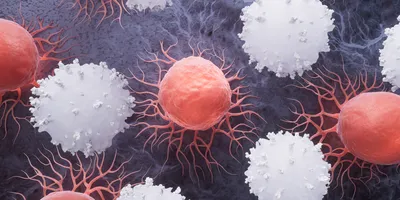
Researchers use 3D bioprinting to build immunocompetent human skin models
Researchers at Vienna University of Technology, working with the Medical University of Vienna, are advancing 3D bioprinting approaches to create immunocompetent in vitro human skin models that could improve the study of chronic inflammatory skin diseases such as psoriasis, eczema, and acne. Traditional animal models often fail to translate to humans due to fundamental differences in skin anatomy and immune responses, while existing in vitro methods either lack structural stability, offer limited control over tissue architecture, or are time-consuming and difficult to reproduce. In a review published in Advanced Healthcare Materials, the teams describe how 3D bioprinting can address these limitations by building skin tissue layer by layer using living cells and tailored hydrogels formulated as bio-inks, allowing precise control over spatial structure, cell composition, and reproducibility. Using these methods, the researchers have developed disease-specific models, including psoriatic skin constructs containing T cells to study chronic inflammation and drug responses, as well as inflammatory and vascularized models relevant to conditions such as diabetes. By enabling fine control over tissue architecture and immune cell integration, the approach offers a more reliable and flexible platform for studying skin disease mechanisms and evaluating potential therapies without relying on animal testing. – Andrea Corona