First broad-spectrum antiviral shows promise against multiple deadly viruses
Researchers at the CUNY Advanced Science Research Center’s Nanoscience Initiative have reported in Science Advances the development of synthetic carbohydrate receptors (SCRs) that could form the basis of the first broad-spectrum antiviral (BSA). By targeting viral envelope glycans, sugar molecules conserved across multiple viral families, the team identified four lead compounds that blocked infection from seven high-risk viruses, including Ebola, Marburg, Nipah, Hendra, and both SARS coronaviruses. In animal studies, one SCR compound protected 90 percent of mice infected with SARS-CoV-2, compared to zero percent survival in controls. This novel mechanism of action, distinct from traditional antivirals that are limited to narrow viral targets, has far-reaching implications: If translated into the clinic, SCR-based drugs could provide a deployable first line of defense against future pandemics and open new avenues for therapeutic development in infectious diseases. – Andrea Corona
Vertex offers Enlaza Therapeutics up to $2B in new partnership
Vertex Pharmaceuticals has teamed up with Enlaza Therapeutics to use their War-Lock platform, which aims to develop first-in-class covalent biologics. Enlaza’s technology builds small format drug conjugates and T-cell engagers to target cancer, and will now be used to target autoimmune diseases during the four-year partnership. With an initial payment and equity investment of $45 million and up to $2 billion in future milestone payments, Enlaza will continue to lead all research activities up until drug candidate nomination. “By partnering with Vertex, a proven leader in bringing first-in-class and/or best-in-class medicines to patients, we gain a valued partner to help unlock the potential of covalent protein drugs, opening new markets and accelerating development of differentiated biologics with best-in-class potential,” said Sergio Duron, CEO of Enlaza. – Allison Whitten
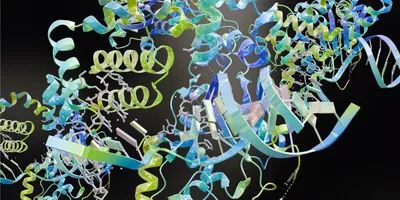
DNA-wrapped nanoparticles triple CRISPR’s efficiency
Northwestern University scientists and collaborators at Flashpoint Therapeutics have developed a new nanostructure that could dramatically improve the safety and effectiveness of CRISPR gene editing. The technology, called lipid nanoparticle spherical nucleic acids (LNP-SNAs), packages the full CRISPR toolkit — Cas9 enzymes, guide RNA, and a DNA repair template — inside a lipid nanoparticle wrapped in a dense DNA shell. This DNA coating not only shields the cargo but also helps direct it to specific cells and tissues, overcoming a major hurdle in gene-editing delivery. Published in Proceedings of the National Academy of Sciences, the study showed that LNP-SNAs entered cells up to three times more efficiently, caused less toxicity, boosted gene-editing efficiency threefold, and increased precise DNA repair rates by over 60 percent compared to current lipid nanoparticles. “With CRISPR and other modalities, we intend to apply our platform to creating life-saving treatments for a wide range of diseases,” said Barry Labinger, CEO of Flashpoint Therapeutics. – Bree Foster
Over 1,000 HHS employees ask for secretary Kennedy’s resignation amid health policy concerns
More than 1,000 current and former US Department of Health and Human Services (HHS) workers have signed a letter demanding Secretary Robert F. Kennedy Jr.’s resignation, citing actions they say endanger public health and undermine scientific integrity. The signatories highlight Kennedy’s firing of CDC leaders, appointment of politically-driven figures with controversial stances on vaccines, refusal to consult top experts, and rescinding of COVID-19 vaccine emergency authorizations without transparent data. HHS staff warn that his policies and public statements compromise evidence-based guidance, put the workforce at risk, and threaten the nation’s health. The letter calls on the President and Congress to appoint a science-informed, independent leader and urges partner organizations to join in restoring public trust in health policy. – Andrea Corona
Biological sex influences cognitive and functional outcomes in mental disorders
New research highlights the role of sex in shaping the onset, symptoms, and outcomes of serious mental illnesses such as bipolar disorder and schizophrenia. A study published in Acta Psychiatrica Scandinavica analyzed 1,516 participants and found that females with schizophrenia were older than males at first outpatient treatment, while males with schizophrenia reported the highest rates of illicit drug use. These findings complement results from the DiAPAson study, published in Social Psychiatry and Psychiatric Epidemiology in March 2025, which examined sex differences in schizophrenia spectrum disorders among 619 Italian patients. The study also found that males tend to experience earlier onset, more severe negative symptoms, and higher antipsychotic use, while females displayed stronger interpersonal functioning and more affective symptoms. Using machine learning, researchers identified distinct male and female phenotypes, reinforcing the need for tailored treatment approaches. Together, the studies highlight that sex-sensitive strategies are vital for improving clinical outcomes, promoting healthier lifestyles and addressing comorbidities in patients with serious mental health conditions. – Bree Foster
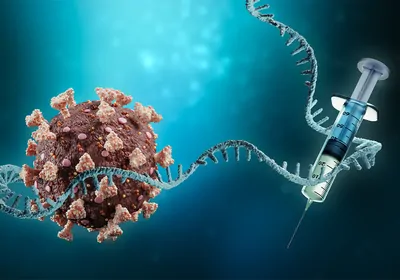
Novartis invests in alpha-synuclein drug to treat Parkinson’s again
After their prior alpha-synuclein inhibitor with UCB failed to treat Parkinson’s disease in a Phase 2a trial last year, Novartis is trying again with an investment up to $200 million in Arrowhead Pharmaceuticals’ RNAi therapy, ARO-SNCA. Just like before, Arrowhead’s therapy aims to inhibit alpha-synuclein, the protein that misfolds and builds up to form Lewy bodies within dopaminergic neurons. But unlike the previous small molecule drug, ARO-SCNA works by silencing the gene responsible for producing the alpha-synuclein protein. “We see Arrowhead’s TRiM™ technology as having great potential to achieve the type of widespread and effective delivery in key brain structures that will be necessary to see the full benefit of RNA medicines in neurodegeneration,” said Fiona Marshall, President of Biomedical Research at Novartis. Novartis will receive an exclusive worldwide license to the ARO-SCNA, which is still in the preclinical stage. – Allison Whitten