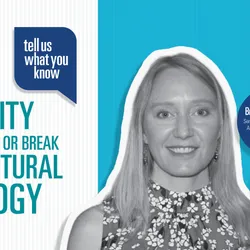
Portrait of Jung-Chi Liao, CEO and Founder of Syncell, next to the title “The Promise of Spatial Proteomics” from the Tell Us What You Know video series by Drug Discovery News.

The promise of spatial proteomics

Why is spatial proteomics in the spotlight? Learn how mapping proteins in place is changing the way researchers study cells, diseases, and potential new drugs.
Yuning Wang
| 1 min read

Today, spatial proteomics is introducing a new dimension to proteomic analysis. By mapping proteins within their native tissue environment, scientists can connect molecular function to cellular architecture and uncover how these relationships drive health and disease.

In this Tell Us What You Know episode, Syncell’s Jung-Chi Liao joins Drug Discovery News to discuss how spatial proteomics technologies are evolving and what breakthroughs they’re making possible for biomedical research and drug discovery.

Watch this episode to learn:

  • How spatial proteomics reveals protein localization and function
  • The major challenges in high-precision protein mapping and how advanced technology addresses them
  • How spatial proteomics is driving new therapeutic insights from breast cancer to fatty liver disease

Sponsored by

  • Syncell logo

About the Author

  • Yuning Wang

    Yuning joined the custom content team at Drug Discovery News in June 2022. She earned her PhD in biochemistry from the University of Western Ontario, where she investigated how calcium sensor proteins regulate muscle cell membrane repair and cause muscular dystrophy. Yuning developed a passion for science communication during graduate school and began her career as a science writer in 2020. She enjoys reading, gardening, and trying new restaurants in Toronto.

Related Topics

Related Articles

Subscribe to Newsletter

Subscribe to our eNewsletters

Stay connected with all of the latest from Drug Discovery News.

Subscribe
Drug Discovery News September 2025 Issue
Latest IssueVolume 21 • Issue 3 • September 2025

September 2025

September 2025 Issue

Explore this issue