in vitro models

| 4 min read
Samsung Biologics' Seahee Kim explains where patient-derived organoid data earn regulatory weight and where they still fall short

| 3 min read
Researchers find that infant airway tissue actively shapes the immune response to RSV, suggesting future therapies should target both the virus and inflammation.
| 6 min read
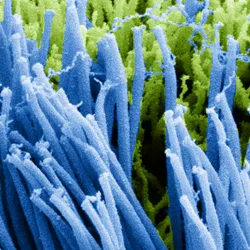
Despite growing regulatory acceptance, widespread adoption of NAMs depends on workflow integration, reproducibility, and perceived risk in industry decision-making.
| 5 min read
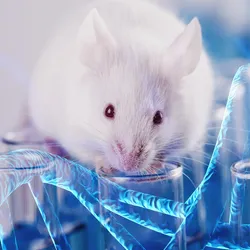
From virtual control groups to brain organoids, new approach methodologies are transforming how drugs and cosmetics are tested for safety.
| 5 min read
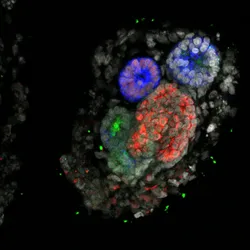
Animal and cell culture models have fallen short in kidney disease research. Kidney organoids may offer a better way forward.

Available on Demand
Brain organoids serve as avatars for studying human neurobiology and advancing drug discovery for neurological disorders.
Page 1 of 1 - 6 Total Items