Parkinson’s disease (PD) is the fastest-growing neurodegenerative disorder worldwide, affecting an estimated one percent of individuals over the age of 60. In the US, more than one million people live with the disease, and roughly 90,000 new cases are diagnosed each year.
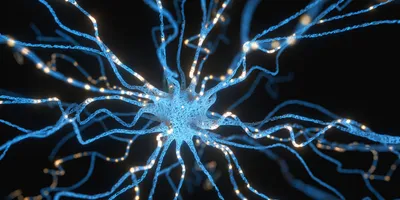
Characterized by tremors, stiffness, slowed movement, and other motor challenges, Parkinson’s arises from the progressive loss of dopamine-producing neurons, disrupting the brain’s ability to control movement. Dopamine is a neurotransmitter essential not only for movement, but also for mood, motivation, and cognition. However, by the time a clinical diagnosis is made, more than half of these critical neurons may already be lost.
While current treatments can help manage symptoms, there is no cure or therapy proven to slow the disease’s progression. This could soon change. Keck Medicine of USC is exploring a potential breakthrough therapy in a Phase 1b/2a clinical trial, investigating RNDP-001, an experimental cell replacement therapy being developed by Kenai Therapeutics for individuals with moderate to severe Parkinson’s disease.
The science behind the approach
PD specifically targets dopaminergic neurons in the substantia nigra, which normally project to the caudate and putamen to regulate movement. The experimental therapy being tested at Keck Medicine of USC aims to replace these lost neurons by transplanting induced pluripotent stem cells (iPSCs) directly into the putamen. Once implanted, these cells are expected to produce dopamine, integrate into existing neural circuits, and help restore motor function, addressing the root cause of Parkinson’s rather than just managing its symptoms.
Extensive trials in animal models, including rodents and non-human primates, have shown that iPSC-derived dopaminergic neurons can survive after implantation, produce dopamine, and improve motor behavior. Researchers have also used these trials to optimize cell maturation, dosage, and delivery techniques, while evaluating potential risks such as immune responses, inflammation, and abnormal cell growth. Building on these promising preclinical results, the therapy has now advanced into early-phase human trials.
How the procedure works
During the procedure, Brian Lee, neurosurgeon with Keck Medicine and principal investigator of the study, makes a small opening in the patient’s skull and uses magnetic resonance imaging (MRI) to implant iPSCs directly into the putamen. The implanted cells are programmed to develop into midbrain dopaminergic neurons, including the dopaminergic neurons lost in PD, with the goal of restoring dopamine signaling.
“The implantation is performed entirely within the bore of an MRI, where serial imaging is used to capture the moment of implantation, confirm that the cells are delivered, and ensure the correct target is reached,” Xenos Mason, neurologist at Keck Medicine, explained to DDN. “The implant trajectory is planned by the neurosurgeon to avoid damaging critical structures, including arteries, veins, and areas of brain tissue, which could cause symptoms if disrupted by the delivery device.”
After surgery, participants are monitored for 12 to 15 months to track changes in Parkinson’s symptoms and any potential side effects, including dyskinesia (excess movements) or infection. Researchers will continue to follow patients for up to five years to assess long-term safety and efficacy.
“Our expectation for this Phase II trial is a clear assessment of safety for this new investigational product,” Mason said. “Efficacy signals are preliminary at this stage, but eventually, should we proceed to larger randomized studies, this product and other stem-cell therapies are hoped to slow disease progression or minimize symptom burden and thereby improve function.”
Regulatory and funding milestones
RNDP-001 has been granted Fast Track designation by the FDA, recognizing the urgent need for new Parkinson’s therapies and allowing for more frequent communication with regulators and potential accelerated review. In January, the therapy also received an $8 million grant from the California Institute for Regenerative Medicine (CIRM) to support ongoing clinical development.
In the future, what we learn about neurophysiology and stem cell biology may inform treatments for other brain diseases, though the cell types, targets, procedures, and outcome measures would need to be adapted.
—Xenos Mason, Keck Medicine
While the trial focuses on Parkinson’s, Mason noted that the knowledge gained could have broader applications. “Right now, we’re focusing on treating and curing Parkinson’s disease, and the therapies are closely targeted to correcting the neurophysiological and neuro-pharmacological deficits,” he said. “In the future, what we learn about neurophysiology and stem cell biology may inform treatments for other brain diseases, though the cell types, targets, procedures, and outcome measures would need to be adapted.”
The bigger picture
Keck Medicine’s RNDP-001 trial is part of a broader movement exploring the potential of stem cell therapies to restore dopamine signaling in Parkinson’s disease. In March 2025, Mass General Brigham launched a Phase 1 trial using autologous iPSCs — stem cells derived from patients’ own blood — reprogrammed into midbrain dopaminergic neurons and transplanted into the brain. This approach avoids the need for immunosuppressive drugs and builds on decades of foundational preclinical work at McLean Hospital’s Neuroregeneration Research Institute.
Both trials illustrate how different strategies, rooted in iPSC technology, are moving from animal models to early human studies. While RNDP-001 uses an off-the-shelf, allogeneic product to enable scalability, the Mass General Brigham trial emphasizes patient-specific cells to minimize immune response. Together, they signal a growing focus on disease-modifying therapies that aim to replace lost neurons, repair neural circuits, and ultimately improve motor function and quality of life for people with PD.