Video

The power of collaboration in drug discovery With Del Trezise

How can collaboration, emerging technologies, and strong scientific networks help shape the future of drug discovery?
Brought to you byDrug Discovery News
| 1 min read
A promotional graphic featuring Del Trezise against a blue background, with the title “The Power of Collaboration in Drug Discovery.”


At ELRIG’s Drug Discovery 2026, the Drug Discovery News team spoke with Del Trezise, Chair of ELRIG, about how collaboration can help drive scientific progress and bring emerging innovations closer to real-world use. Trezise highlights the value of connecting academia, industry, investors, and other stakeholders, particularly as early-stage companies seek to commercialize and industrialize their technologies.

In this interview, Trezise discusses ELRIG’s role in connecting early innovators with the wider drug discovery community, as well as the importance of digital skills, trusted networks, and professional collaboration. He also shares advice for founders and technology developers on demonstrating scientific claims, identifying target users, understanding market needs, and gathering honest feedback. Looking ahead, Trezise reflects on ELRIG’s efforts to strengthen international scientific connections and share knowledge across a broader global community.

Add Drug Discovery News as a preferred source on Google

Add Drug Discovery News as a preferred Google source to see more of our trusted coverage.

Here are some related topics that may interest you:

Loading Next Article...
Subscribe to Newsletter

Subscribe to our eNewsletters

Stay connected with all of the latest from Drug Discovery News.

Subscribe

Sponsored

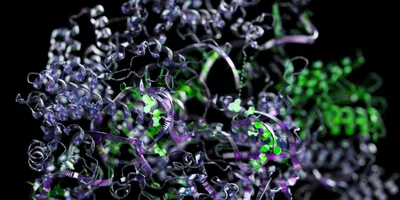
3D molecular visualization of a protein structure, rendered in a ribbon diagram style.
A comparative structural analysis of MC4R complexes reveals how agonist binding influences receptor conformation, ligand interactions, and complex stability.
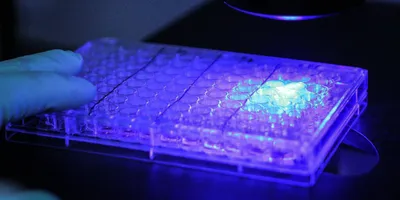
Gloved hand holding a multiwell cell culture plate under a fluorescence microscope for spheroid analysis.
Using confocal live-cell imaging to characterize immune-mediated cytotoxicity over time.
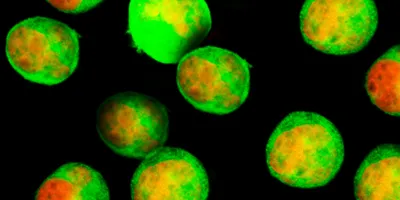
Fluorescence microscopy image of cells displaying green and red fluorescent signals.
Using confocal live-cell imaging to assess treatment effects in spheroids, organoids, and co-cultures.