diabetes

| 3 min read
First discovered in the 1970s, the compound was shown in mice to boost energy expenditure and block fat synthesis — resulting in weight loss without muscle loss.

| 4 min read
Generic and biosimilar competition is poised to disrupt billions in annual drug sales, reshaping market dynamics for some of the industry’s most important medicines.

| 4 min read
These late-stage therapies span obesity, diabetes, hypertension, and allergy care, offering new mechanisms and delivery formats that could reshape patient treatment.

| 2 min read
EXN407 is the first topical SRPK1 inhibitor to demonstrate safety and efficacy as a monotherapy for non-proliferative diabetic retinopathy (NPDR) and diabetic macular oedema.
| 4 min read
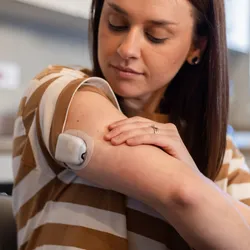
Researchers showed that insulin resistance exists on a spectrum among diabetics and healthy controls.

| 4 min read
Explore the link between GLP-1 drugs and cancer. A new study reveals these therapies may reduce the risk of obesity-related cancers, similar to bariatric surgery.

| 3 min read
To help clinicians monitor slow-healing chronic wounds, researchers created the iCares device and tested it in 20 people with a variety of wounds.
| 4 min read
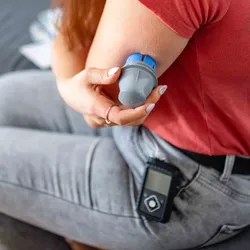
Two new FDA approvals and promising clinical trial results for drugs to treat diabetes and lung cancer, and more led the news this week.

| 2 min read
Plummeting blood sugar can accelerate eye damage due to diabetes. Results in mice suggest that a new drug targeting hypoxia inducible factor could help.

| 4 min read
Placental extracellular vesicles from maternal blood plasma identified women who would go on to develop complications later in their pregnancy.