cancer vaccine

| 4 min read
Positive Alzheimer's trial data, workforce reductions, mRNA cancer therapy updates, and more led the news this week.

| 4 min read
Transgene expands a duck-cell-line license as its personalized cancer vaccines advance deeper into the clinic
| 5 min read
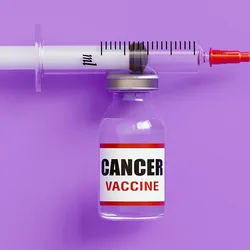
The science behind personalized mRNA cancer vaccines is working. Building a different drug for every patient, at scale, is the real fight.

| 4 min read
FDA approvals and complete responses letters, job cuts, a new FDA commissioner nomination, and more led the news this week.

| 4 min read
Results from Johns Hopkins show a synthetic peptide vaccine was safe and activated mutant-KRAS-specific T cells in 90 percent of participants, offering an early signal that cancer interception may be possible before disease develops.
| 5 min read
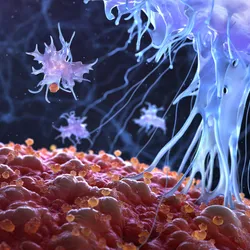
Therapeutic cancer vaccines are being reengineered to deliver stronger immune activation and longer-lasting protection against disease recurrence.

| 5 min read
New population-level data reveal unprecedented declines in cervical cancer among vaccinated cohorts, even as vaccination rates begin to slip in some countries.

| 3 min read
New findings suggest that the location of mRNA expression in the body plays a critical role in shaping T cell responses, opening the door to more precise and effective mRNA-based treatments.

Available on Demand
This virtual two-day symposium will gather researchers to present the latest breakthroughs in cancer immunology.

| 4 min read
Cancer diagnostic technologies, advances on brain map models, pharmaceutical deals, and more led the news this week.