DDN caught up with John Yu, the Kairos Pharma CEO about the mechanism his company is betting on and how he splits his time between the operating room and the bench.
A neurosurgeon at Cedars-Sinai Medical Center who still runs an NIH-funded lab there, Yu founded Kairos Pharma to chase a problem he kept seeing in his own patients: a cancer drug works well for months, sometimes a couple of years, and then the tumor comes back anyway.
"I see patients do very well for about a year, maybe six months on a therapeutic, but they always relapse and their tumor almost always comes back within that period of time," Yu told DDN. That pattern, repeated across tumor types, pushed him to focus Kairos on resistance itself rather than on building another drug meant to outcompete existing therapies.
His comparison point is HIV. Once a rapidly fatal diagnosis, it became a chronic, manageable condition once clinicians learned to rotate therapies as resistance emerged. Yu wants to do the same for cancer: not necessarily cure it, but keep extending the window before a tumor stops responding.
Why CD105
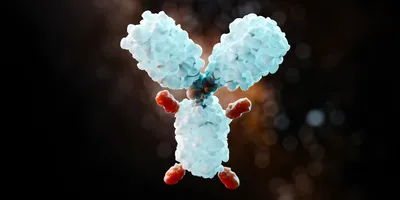
Kairos's lead candidate, ENV-105, targets CD105, a protein Yu's team linked to a specific resistance mechanism. When cancer drugs put pressure on a tumor, CD105 activates BMP4 (Bone Morphogenetic Protein 4) signaling, which pushes tumor cells toward a more stem-cell-like state. That shift is what makes them harder to kill: Stem-like cells are built to survive stress, including chemotherapy and radiation.
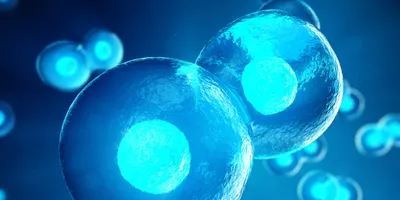
"As tumors become more stem cell-like, they become more resistant to the toxins in the environment," Yu said, drawing a parallel to normal stem cells, which are similarly built to withstand external damage in order to keep replenishing an organ's cell types.
In prostate cancer, one downstream effect of that resistance is the emergence of AR-V7, (androgen receptor splice variant) a truncated androgen receptor variant that lets tumor cells keep growing without needing the hormone signal that anti-androgen drugs are designed to block. Yu said that when CD105 signaling is disrupted, AR-V7 expression drops and tumor cells become more differentiated, potentially restoring sensitivity to anti-androgen therapy.
That mechanism is now in two clinical programs. A Phase 2 trial pairs ENV-105 with the anti-androgen apalutamide in metastatic castration-resistant prostate cancer, and a Phase 1 trial combines it with the EGFR inhibitor osimertinib in EGFR-mutated non-small cell lung cancer. Kairos has reported that an interim analysis of the prostate cancer trial showed clinical benefit in 86 percent of treated patients, with responders remaining progression-free for at least four months and about half beyond a year. That figure comes from a small interim readout — roughly nine evaluable patients — and hasn't gone through peer review, so it should be read as an early, company-reported signal rather than a confirmed efficacy result.
Betting on one pathway, multiple diseases
Running two trials in different cancers at once is an unusual resource commitment for a small, clinical-stage company. Yu's rationale is that both programs are testing the same underlying mechanism rather than two unrelated bets. Kairos has also seen the CD105/BMP4 pathway show up in preclinical work in colon and breast cancer, and Yu said the company is in early discussions with pharmaceutical partners about whether disrupting that pathway could extend the effectiveness of radioligand therapies, an emerging drug class in prostate cancer.
A second internal candidate, ENV-205, targets a different resistance mechanism tied to mitochondrial DNA and chemotherapy resistance.
Leaning on the academic connection
Kairos runs on a structure Yu described as deliberately academic. Rather than paying for commercial contract research organizations (CRO), the company is working to establish a consortium of academic medical centers, including Cedars-Sinai, Mayo Clinic, Cleveland Clinic and Stanford University, that would run trials under a single institutional review board. Yu said the goal is to start trials faster and at lower cost than a traditional commercial CRO model would allow, while giving Kairos direct access to a large academic patient population.
For Yu, the arrangement reflects how he sees his own career: split between the operating room, the lab and the boardroom, with each role feeding the others. "It's all part of the same idea, of this cycle between academics and biotech and pharma to develop therapies for patients," he said.