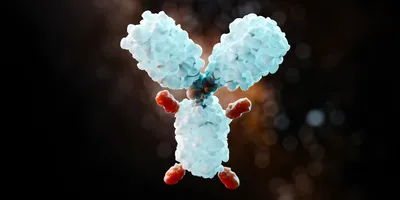
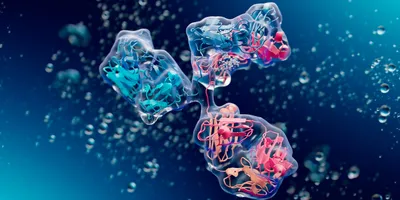
HORSHAM, Pa.—Janssen Biotech, Inc., one of the JanssenPharmaceutical Companies of Johnson & Johnson, has announced the executionof a global license and development agreement with Genmab A/S for Genmab'santi-cancer compound daratumumab. The compound is a human CD38 monoclonalantibody, and is currently being studied in Phase I/II studies in patients withrelapsed, refractory multiple myeloma.
"Janssen was one of the first companies to recognize thepower and promise of monoclonal antibodies and today is a world leader inbiologics. We look forward toapplying that same expertise to daratumumab to help meet the needs of patientswith multiple myeloma," William N. Hait, M.D., Ph.D., head of Janssen Research &Development, LLC, said in a press release. "Daratumumab is an exciting,innovative compound, and we are delighted to add it to our portfolio."
Per the terms of the agreement, Janssen will pay Genmab anupfront license fee of $55 million, for which it will receive an exclusiveworldwide license to develop and commercialize daratumumab in addition to abackup CD38 human antibody. In addition, Johnson & Johnson DevelopmentCorporation, an affiliate of Janssen, will make an $80 investment to subscribefor 5.4 million new shares of Genmab. Genmab currently has 44,907,142 sharesoutstanding, and after this private placement, that number will increase to50,307,142. Following the issuance of the new shares, Johnson & JohnsonDevelopment Corporation will own 10.73 percent of Genmab's share capital.
If all development, regulatory and sales milestones are met,Genmab could be eligible for up to $1 billion in milestone payments, and isalso eligible for tiered double-digit royalties. Genmab will be responsible forcompleting the ongoing GEN501 and GEN503 Phase I/II trials, the costs of whichwill be Janssen's responsibility. Janssen will be responsible for all costsassociated with the development and commercialization of daratumumab movingforward, as well as all clinical and regulatory activities.
Daratumumab is a human monoclonal antibody that displaysbroad-spectrum cytotoxic activity. The compound targets the CD38 molecule,which is highly expressed on the surface of multiple myeloma cells. Inpreclinical studies, daratumumab was shown to kill multiple myeloma cells andalso enhance the potency of other multiple myeloma treatments. The antibody isalso thought to have potential in additional hematological tumors that expressCD38, such as diffuse large B-cell lymphoma, chromic lymphocytic leukemia,acute lymphoblastic leukemia, acute myeloid leukemia, follicular lymphoma andmantle cell lymphoma.
"We are very pleased to partner with Janssen on anotherGenmab innovation, and look forward to working with them to accelerate thedevelopment of daratumumab and to maximize the value of this product," Jan vande Winkel, Ph.D., CEO of Genmab, said in a press release about the deal. "Thisagreement significantly strengthens our financial position, ensuring thatGenmab can continue to develop much-needed differentiated antibody therapeuticsto help cancer patients in the future."
The transaction is subject to customary closing conditions,including approval by the Danish Financial Supervisory Authority and clearancefrom U.S. antitrust authorities under the Hart-Scott-Rodino Act.





 This person does not yet have a bio.View Full Profile