Cancer drugs comprise a bulk of the compounds in the industry pipeline these days, and here we're covering a few that we find notable as they make their from clinic to, hopefully, the market.
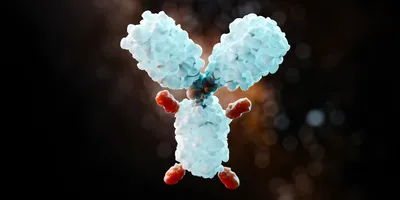
On Nov. 7, MorphoSys AG announced that MOR208, its humanized Fc engineered monoclonal antibody for treating relapsed/refractory diffuse large B-cell lymphoma (DLBCL), was granted Fast Track designation from the U.S. Food and Drug Administration (FDA). The drug candidate targets the CD19 antigen and is in Phase 2 clinical development in chronic lymphocytic leukemia, acute lymphoblastic B-cell leukemia and non-Hodgkin's lymphoma. DLBCL is the most common lymphoma, accounting for roughly 25 percent of all non-Hodgkin's lymphomas, and occurs primarily in older people.
"First results of our ongoing Phase 2 trial, which we will present at this year's ASH conference in December, have helped to identify diffuse large B-cell lymphoma as a valuable development opportunity for MOR208. We are therefore delighted to have received the Fast Track designation for further development of MOR208 in DLBCL. The more frequent interactions with the FDA that this enables will help us to expedite the development of MOR208 in this particular subset of non-Hodgkin's lymphoma patients," Dr. Arndt Schottelius, chief development officer of MorphoSys AG, commented in a press release.
MorphoSys in-licensed MOR208 from Xencor Inc. in 2010.
Threshold Pharmaceuticals also saw a drug candidate gain Fast Track designation this month: TH-302, its investigational anticancer drug for the treatment of previously untreated patients with metastatic or locally advanced unresectable soft tissue sarcoma. TH-302 is a hypoxia-activated prodrug, designed to activate under severe tumor hypoxic conditions, which are a hallmark of several types of cancer—areas of hypoxia are found in solid tumors as a result of aberrant vasculature, which leads to insufficient blood supply, and patients with hematological malignancies can present with hypoxic bone marrow in some cases.
"We are pleased that FDA has granted Fast Track status for TH-302 for the treatment of previously untreated patients with metastatic or locally advanced unresectable soft tissue sarcoma," said Barry Selick, Ph.D., Chief Executive Officer of Threshold. "Our ongoing Phase 3 trial of TH-302 in these patients is being conducted under a Special Protocol Assessment with the FDA. If successful, the Fast Track designation may provide an added benefit of facilitating the NDA review process. Currently, we anticipate the primary analysis of overall survival of the Phase 3 trial to be conducted in the first quarter of 2016."
Threshold is investigating TH-302 in an international, randomized Phase 3 clinical trial in partnership with the Sarcoma Alliance for Research through Collaboration, under a Special Protocol Assessment agreement with the FDA. The trial is evaluating the safety and efficacy of TH-302 combined with doxorubicin, compared with doxorubicin alone, with a primary endpoint of overall survival and secondary endpoints of progression-free survival, overall response rate, pharmacokinetics and safety.
Not every company started November on a high note, however; on Nov. 6, Novartis announced that the FDA's Oncologic Drugs Advisory Committee (ODAC) had voted against recommending Novartis' investigational compound LBH589 for the treatment of patients with previously treated multiple myeloma when used in combination with bortezomib and dexamethasone.
The decision was based on data from two clinical studies of LBH589 combined with bortezomib and dexamethasone. While the FDA does not have to act on the ODAC's guidance, it will be considered as the FDA reviews Novartis' NDA for LBH589.
Bruno Strigini, president of Novartis Oncology, said the company is disappointed with the decision, feeling that “the results from our clinical trials provide strong evidence to support LBH589 as a potential first-in-class treatment option for multiple myeloma,” but that they will continue working with the FDA as it reviews the compound's NDA.