Immunology

| 4 min read
This new test offers clinicians a tool to detect endometriosis in patients whose lesions may be missed by standard imaging, helping address years-long delays in diagnosis.

| 5 min read
A new in vivo approach programs patients’ T cells directly, bypassing complex manufacturing and expanding access to CAR T therapies.
| 3 min read
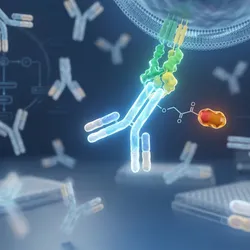
From affinity to function, antibody discovery has shifted toward programmable biologics engineered to survive human physiology and execute complex therapeutic tasks at scale.

| 4 min read
Wake Forest researchers have reprogrammed macrophages to target metastatic tumors in the brain, offering a potential new approach where conventional therapies struggle.

| 4 min read
AI and high-throughput functional screening helped researchers design antibodies that selectively activate CB2, reducing inflammation and scar tissue in human liver tissue.

Explore the scientific advances driving more specific, potent, and adaptable antibody-based therapies.

| 4 min read
High-throughput T-cell receptor sequencing reveals shared immune signatures in celiac disease, opening the door to earlier, less invasive diagnosis and disease monitoring.

| 4 min read
Biopharma’s recovery is real, but the data show a sector that now rewards validated biology, late-stage execution, and commercial relevance.

| 5 min read
After decades of slow progress, advances in molecular profiling and organoid technology are creating new pathways for non-invasive diagnosis and targeted treatment of endometriosis.

| 6 min read
Hair loss affects millions, and a new wave of therapies — from drugs to cell-based treatments — could finally offer safe, effective, and lasting solutions.

| 4 min read
Cancer diagnostic technologies, advances on brain map models, pharmaceutical deals, and more led the news this week.

| 9 min read
Industry leaders predict this year will be shaped by AI-driven discovery, human-relevant safety testing, and tighter capital discipline.